The B2B Buyer's Strategic Guide to Undermount Soft Close Drawer Slides: Engineering Specs, Sourcing Trends & Factory Standards
Are you evaluating undermount soft close drawer slides for custom cabinetry, multi-unit residential contracts, or commercial hospitality developments? In modern millwork engineering, concealed runner systems dictate consumer perception of high-end craftsmanship. As custom cabinet brands transition from side-mount runners to invisible bottom-mount configurations, B2B procurement specialists require verifiable dynamic load thresholds, rack-and-pinion synchronization reliability, and cycle-tested hydraulic damping durability.
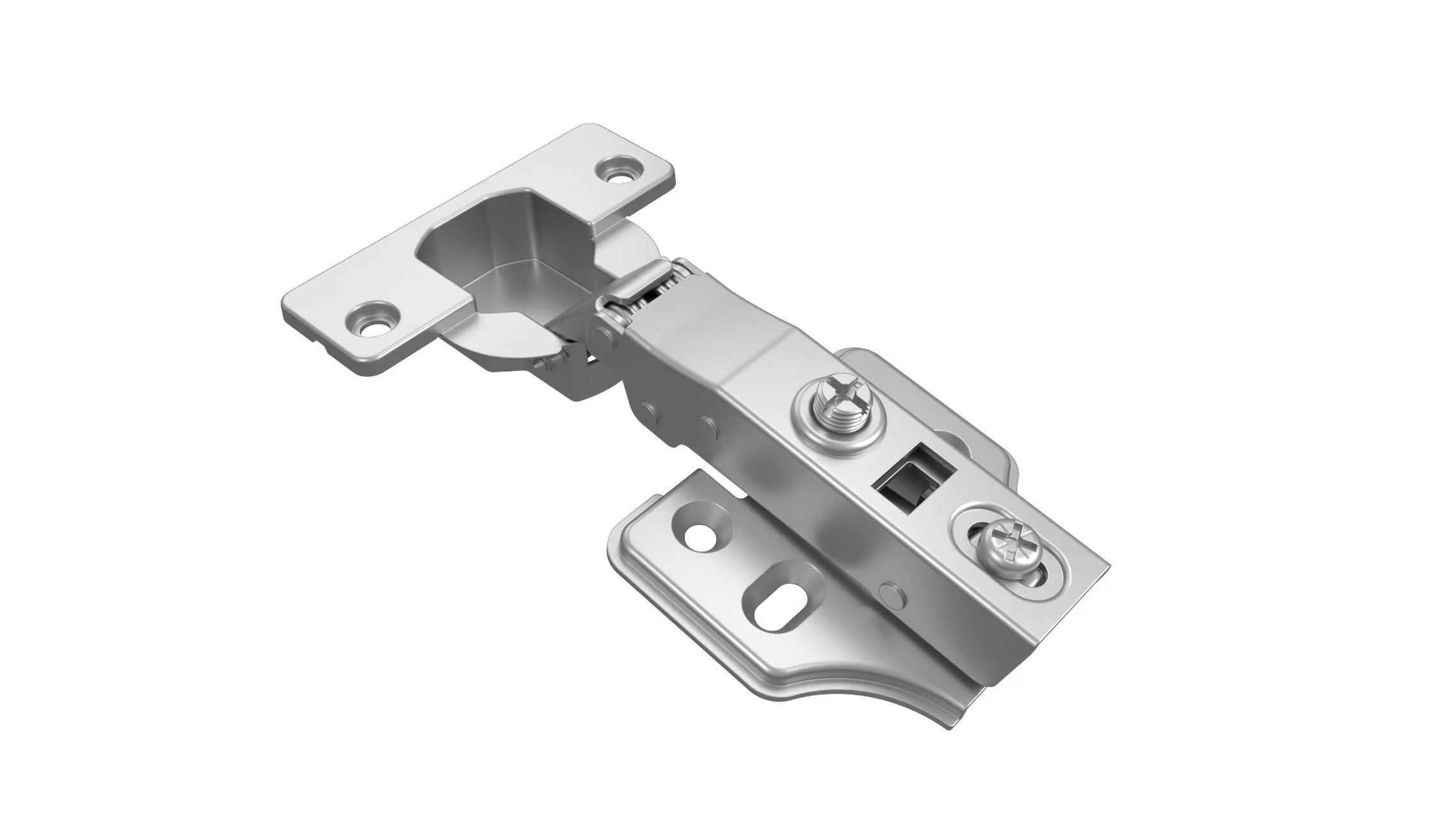
Top-Tier Undermount Soft Close Drawer Slides Recommendations
Precision engineered for 16 mm, 18 mm, and 19 mm drawer material thicknesses. Our runners incorporate dual-spring tensioners, high-viscosity hydraulic cylinders, and ultra-wear nylon rollers to ensure whisper-quiet, zero-sag operation under continuous commercial loads.
3-Fold Full Extension Synchronized Undermount Slide
WD-USC-301 | Flagship Architectural Series| Material | High-Tensile SGCC Galvanized Steel |
| Load Capacity | 35 kg / 45 kg (Dynamic Rated) |
| Extension Type | 100% Full Extension 3-Fold |
| Length Range | 10" to 24" (250 mm - 600 mm) |
| Adjustment | 3D Tool-Free Front Locking Clips |
| Damping Unit | Hydraulic Cylinder with Silicon Fluid |
Engineered for high-end residential kitchen base cabinets and wide drawer boxes. The integrated geared rack-and-pinion synchronization bar ensures smooth, parallel glides with zero racking or binding, even when opening extra-wide 36-inch pots-and-pans drawers.
2D Adjustable Concealed Soft Close Slide
WD-USC-201 | Value Contract Grade| Material | Cold Rolled Steel, Galvanized Zinc |
| Load Capacity | 30 kg (Dynamic Test Approved) |
| Extension Type | Full Extension or Single Extension |
| Length Range | 12" to 22" (300 mm - 550 mm) |
| Adjustment | 2D Height (+3 mm) & Depth (±2 mm) |
| Cabinet System | Frameless & Face-Frame Compatible |
Designed specifically for volume multi-family apartment towers and commercial office fit-outs. Delivers exceptional mechanical damping performance and rapid, tool-less drawer box installation at a competitive unit cost structure.
Push-to-Open + Soft-Close 2-in-1 Undermount Slide
WD-USC-501 | Minimalist Handleless Design| Material | Pre-Galvanized Anti-Rust Steel |
| Load Capacity | 35 kg Dynamic Working Load |
| Function | Integrated Push Open & Soft Damp |
| Trigger Gap | Ultra-Narrow 2.5 mm Front Gap |
| Adjustment | 3D Micro Alignment Technology |
| Durability | >60,000 Certified Operating Cycles |
The ultimate mechanical solution for contemporary flat-slab and handle-free cabinet facades. A gentle press on the front panel activates a mechanical rebound trigger, followed by a controlled, cushioned hydraulic self-close upon closure.
Deep Engineering Breakdown: Anatomy of a Failure-Proof Undermount Runner
When B2B purchasing directors benchmark undermount soft close drawer slides against European benchmarks (such as Blum Movento or Grass Dynapro), the structural differentiation lies within four metallurgical and mechanical parameters:
1. Hydraulic Damper Integrity: In standard market alternatives, damping pistons often suffer seal rupture or viscosity breakdown under sub-zero or tropical warehouse conditions. Xiamen Wudi Hardware implements cold-resistant, vacuum-sealed silicone oil cylinders paired with aerospace-grade O-ring elastomer seals. This maintains an unchanging deceleration curve between -15°C and 50°C across 80,000 cycles.
2. Steel Thickness and Yield Strength: Many low-cost factories reduce profile gauge down to 1.0 mm or 1.2 mm to lower export pricing. Our architectural series strictly uses 1.4 mm x 1.4 mm x 1.5 mm cold-rolled steel, ensuring that drawer boxes exhibit less than 2.8 mm of vertical tip deflection at full 100% extension under a 40 kg distributed static weight load.
3. Steel Ball Rollers vs. POM Synthetic Rollers: Unlike side-mounted steel ball cages that can rumble over time, our undermount runners utilize low-friction polyoxymethylene (POM) synthetic rollers embedded inside rigid aluminum chassis cages. POM exhibits exceptional wear resistance, dimensional stability under moisture, and ultra-quiet self-lubricating characteristics (<32 dB acoustic signature during rapid closure).
4. 3D Precision Front Alignment Clips: Our zinc-diecast and composite locking handles provide +3 mm height adjustment, ±2 mm side-to-side adjustment, and ±2 mm depth adjustment. This allows cabinet assembly workers to achieve laser-straight 2 mm reveal gaps between drawer fronts in seconds without using shims or power tools.
Undermount Drawer Slide Procurement & Development Trends
How global supply chain dynamics, changing cabinet architectures, and stringent green building certifications are reshaping commercial hardware purchasing through 2026 and beyond.
1. The Rise of Synchronized Push-to-Open + Soft-Close Hybrids
Traditionally, handleless cabinetry required an either-or compromise: mechanical push-latch runners that lacked soft-close cushioning, or expensive electric servo-drive motors requiring complex internal cabinet wiring. The modern market trend favors purely mechanical 2-in-1 synchronized systems. Using high-precision rack gears that synchronize both runners, these hybrid mechanisms prevent drawer skewing and offer reliable touch-activation with cushioned deceleration, dramatically reducing component count and electrical maintenance costs.
2. Narrow Reveals and Ultra-Slim Minimalist Drawer Systems
Modern interior aesthetics are defined by ultra-narrow reveals (1.5 mm to 2 mm) and monolithic floor-to-ceiling cabinet walls. Cabinet makers require undermount slides engineered with zero lateral play and micro-adjustment tolerances in all three axes (X, Y, Z). Furthermore, undermount runners are increasingly required to serve as universal base platforms for both custom dovetail timber boxes and pre-fabricated ultra-thin double-wall metal box drawer systems (13 mm slim wall profiles), maximizing interior storage volume.
3. Heavy Load Thresholds for Large-Format Architectural Storage
Kitchen island architecture now emphasizes wide single-drawer units spanning 900 mm to 1200 mm for heavy cast-iron cookware and integrated waste pull-outs. Consequently, global buyers are upgrading their base specifications from 25 kg light-duty runners to 45 kg and 60 kg heavy-duty undermount slides. Maintaining synchronized movement and low opening pull force (<18 N) under heavy payloads has become a primary criterion for institutional tenders.
4. Eco-Conscious Materials and Corrosion Resistance (ASTM B117)
Environmental compliance is no longer optional in international procurement. European and North American buyers are demanding trivalent chromium (Cr3+) electro-galvanized coatings that eliminate hazardous hexavalent substances (RoHS and REACH compliant). In addition, coastal developments and luxury bathroom vanity projects require superior corrosion resistance, prompting manufacturers like Wudi Hardware to introduce 96-hour neutral salt-spray resistant galvanized steel profiles with self-healing zinc passivation layers.
Why Global Cabinet Manufacturers Partner with Xiamen Wudi Hardware
Eliminating Middlemen, Mitigating Quality Risks, and Delivering Container-Load Hardware Consolidation from China's Prime Industrial Hub.
Founded in 2019 in Xiamen, Fujian, Xiamen Wudi Hardware Products Co., Ltd. serves as a reliable manufacturing and global supply partner for furniture and cabinet hardware. Backed by an engineering team with 7+ years of specialized industry expertise, we bridge the gap between complex architectural hardware requirements and scalable production realities.
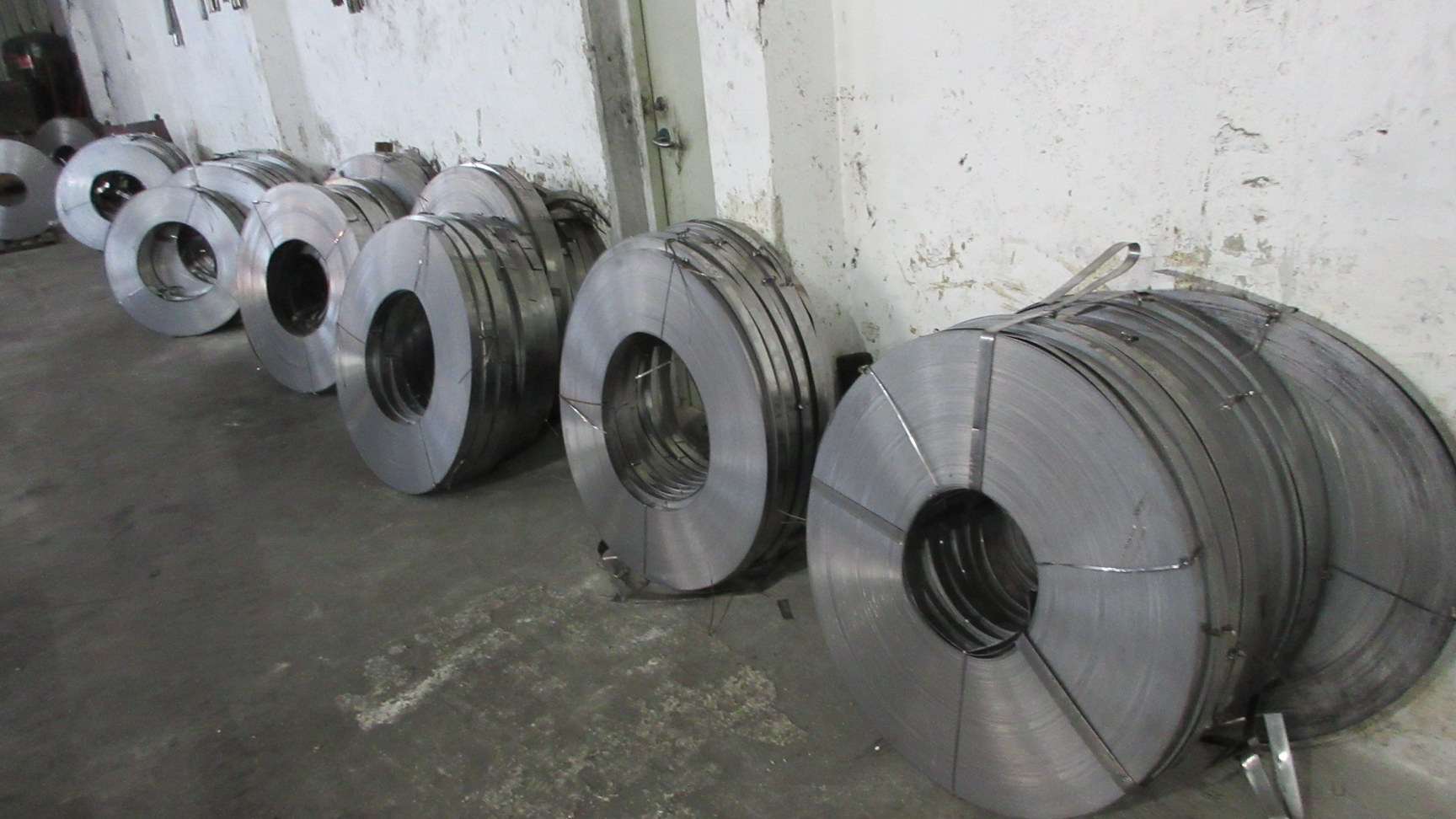
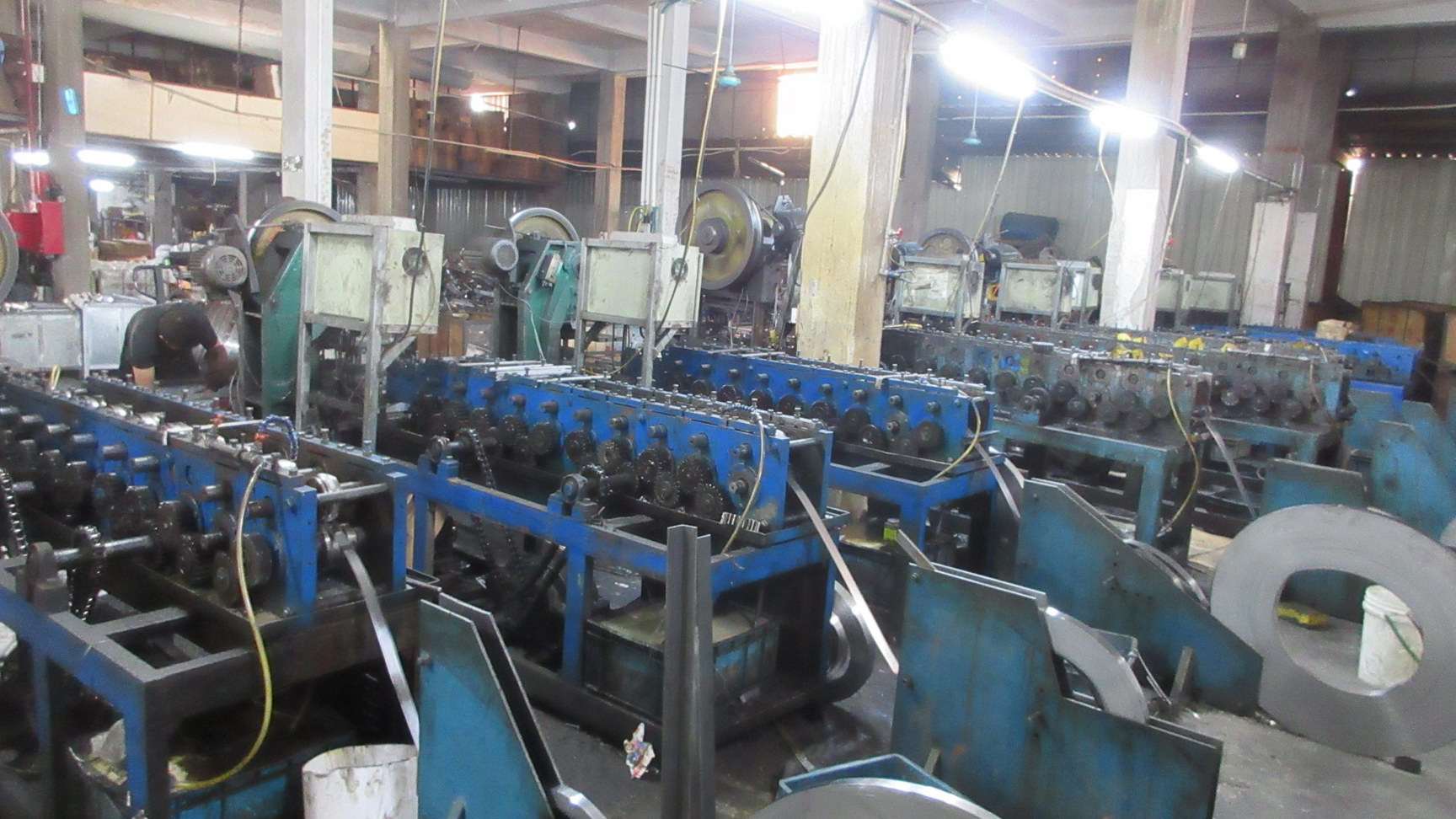
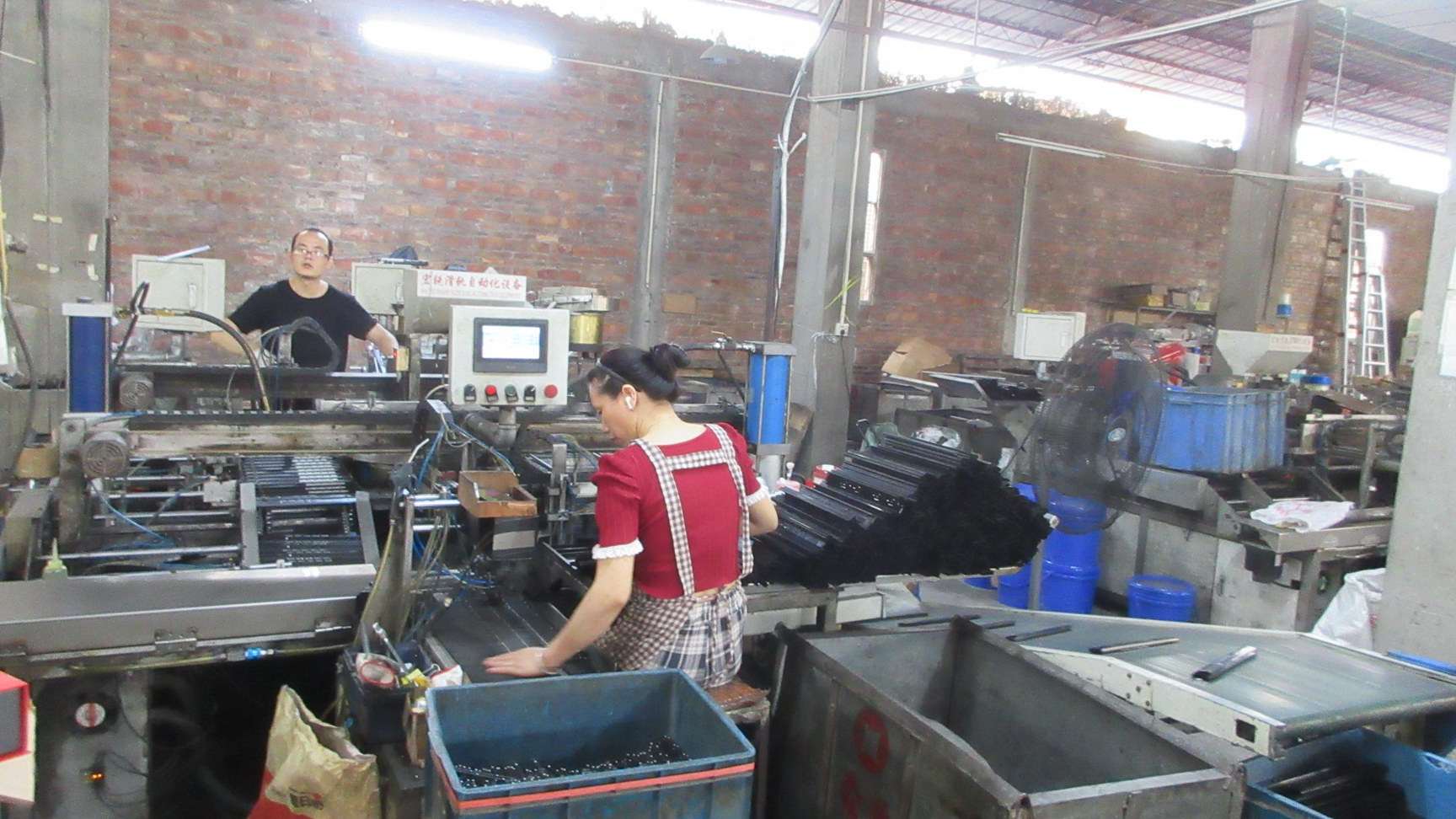
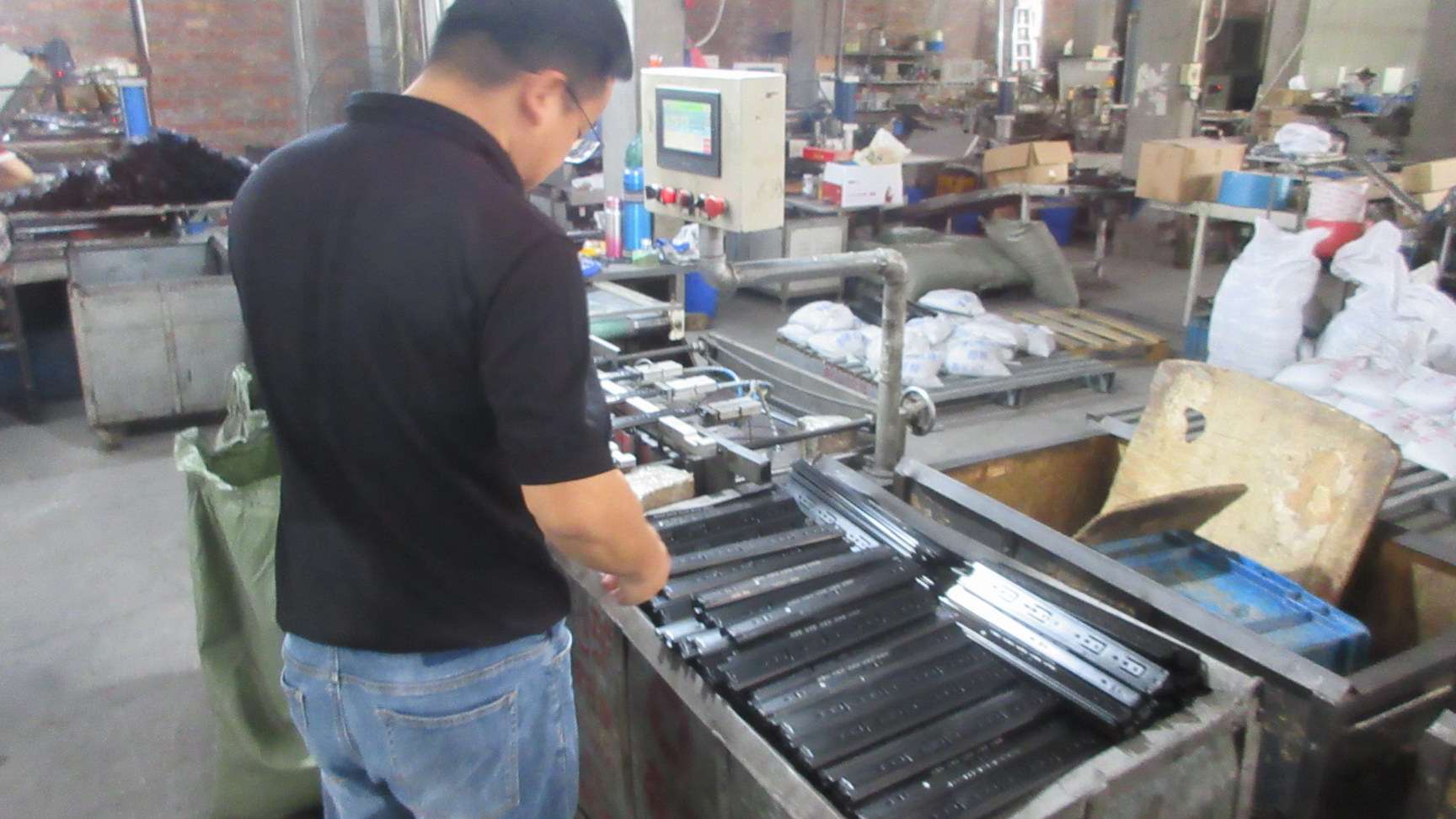
Instead of restricting our clients to rigid single-factory production schedules, we manage an integrated supply ecosystem of 50+ vetted partner manufacturing plants equipped with automated progressive stamping presses, automated roll-forming lines, and robotic assembly stations. Every production run is closely overseen by on-site Wudi QC engineers to ensure strict dimensional fidelity, tensile integrity, and flawless finish consistency.
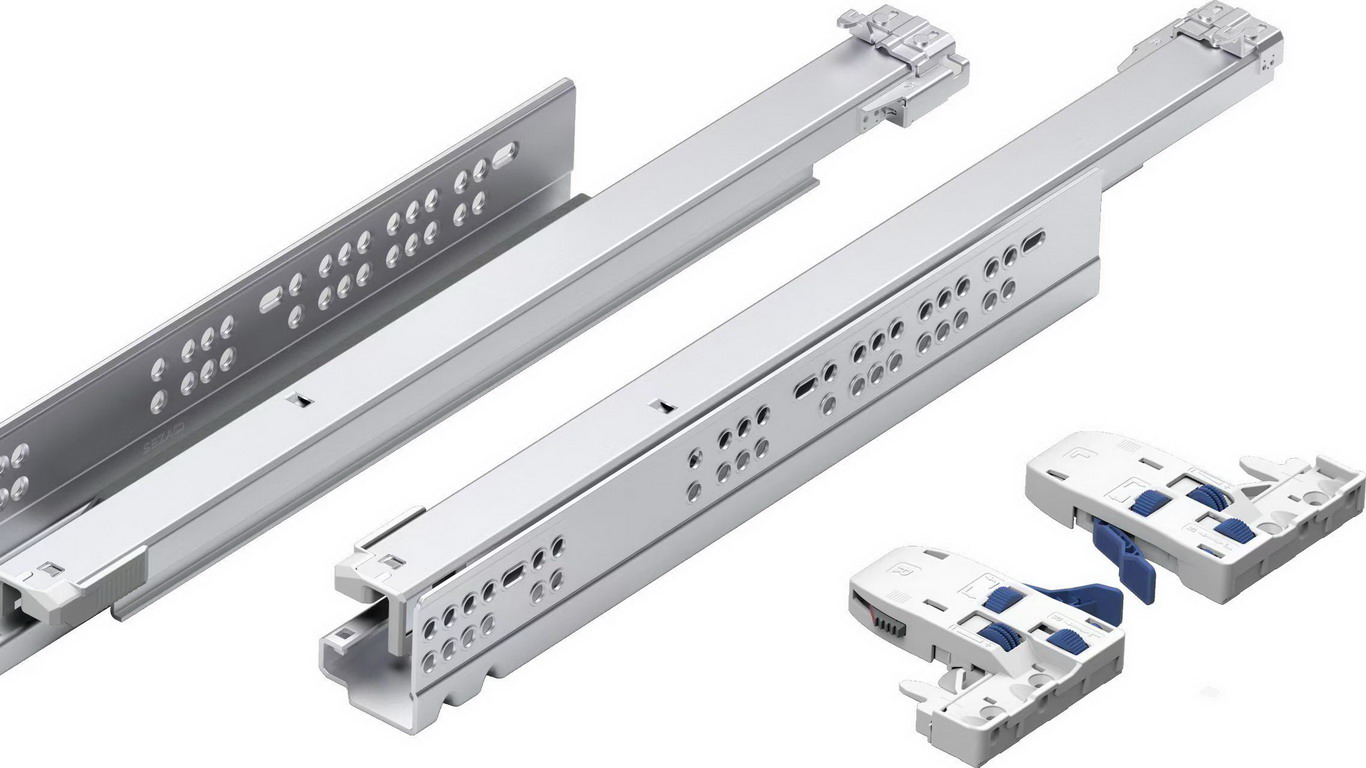

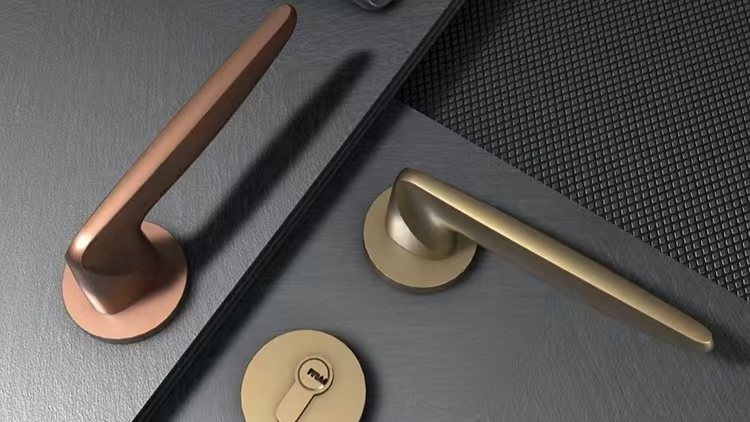
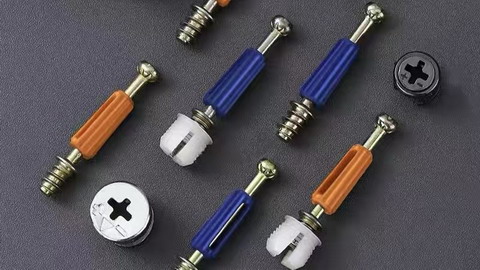
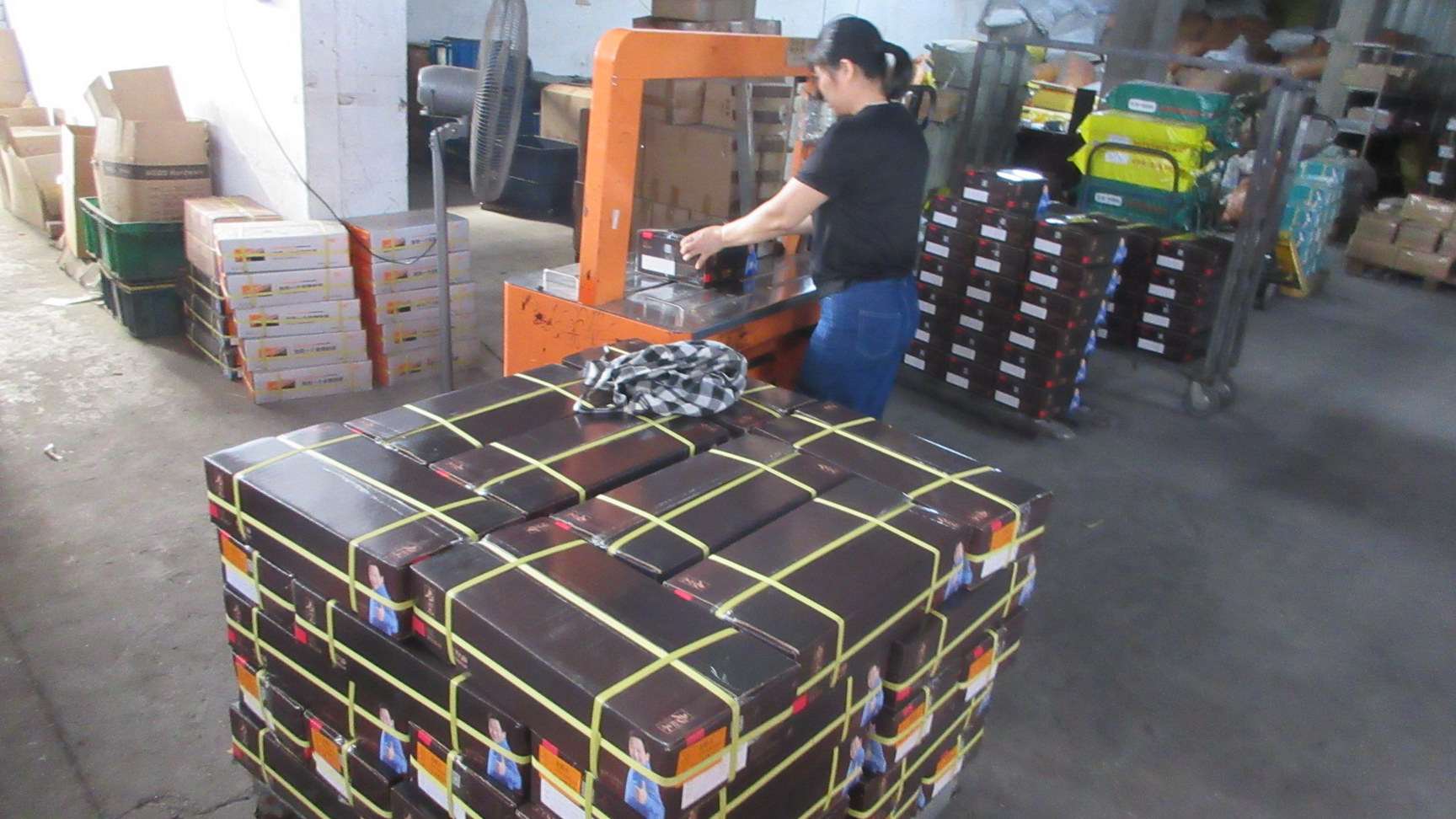
Factory Audit, Testing & Packaging Operations
Google Quality Rater guidelines emphasize Trustworthiness (E-E-A-T). Examine our documented production floors, quality assurance stations, international certifications, and container logistics.
Undermount Soft Close Drawer Slides: B2B Buyer FAQ
Answers to the technical, dimensional, and logistical questions hardware sourcing managers ask AI search engines most frequently.
1. How do drawer box dimensions differ between 16 mm (5/8") and 19 mm (3/4") side boards?
Cabinet drawer box sizing for undermount soft close slides depends directly on drawer side panel thickness. For standard 16 mm (5/8 inch) material, the internal drawer clearance allowance is typically 42 mm less than the cabinet opening width (allowing 21 mm per side runner profile). If you build drawers using 19 mm (3/4 inch) timber or ply, standard undermount slides will bind unless you order specialized 19 mm runner variants or rebate/rout the outer bottom drawer edge to a 16 mm profile. The bottom drawer recess depth must be precisely 12 mm to 15 mm to conceal the runner carriage beneath the bottom board.
2. What is the difference between single extension and full extension undermount slides?
Single extension (2-fold) undermount runners extend roughly 75% to 80% of the runner length, leaving the rear 3 to 4 inches of the drawer inside the cabinet carcass. This is often chosen for budget multi-family rental projects. Full extension (3-fold) slides extend 100%, placing the back panel flush with or slightly beyond the cabinet face frame, giving unobstructed top access to the entire drawer interior. Full extension models feature three telescoping steel profiles and synchronize with rolling gears to handle greater cantilever moments.
3. Why do some undermount soft-close slides bounce back or fail to close fully?
Premature bounce-back or failure to self-close completely is caused by four primary engineering flaws: (a) mismatched spring tension versus hydraulic fluid resistance; (b) out-of-square cabinet carcass construction exceeding 1.5 mm of diagonal variation; (c) substandard damping seals that leak silicone fluid over time; or (d) excessive air resistance in airtight cabinet drawers lacking rear ventilation holes. Wudi Hardware integrates calibrated multi-stage tension springs and low-tolerance trigger pins to ensure smooth, positive latching every time.
4. What are the key differences between 1D, 2D, and 3D locking devices (clips)?
Front locking brackets attach underneath the front corners of the drawer box, locking the drawer to the slide carriage. 1D clips only provide vertical height adjustment (typically 0 to +3 mm). 2D clips add horizontal side-to-side adjustment (±1.5 mm to ±2 mm) to center the drawer front in the opening. 3D clips offer independent control of height, width, and in-and-out depth (±2 mm), which is essential for inset drawer fronts where reveal lines must remain uniform around all four perimeter edges.
5. What dynamic cycle testing standards do your undermount slides pass?
Our undermount slides are rigorously certified against ANSI/BHMA A156.9 Grade 1 standards in North America and EN 15338 Level 3 standards in Europe. During automated testing, runners complete 50,000 to 80,000 cycles at a speed of 0.25 m/s with a 35 kg to 45 kg dynamic payload, maintaining full damping operation without structural bending, ball carriage dislocation, or fluid leakage.
6. How can an overseas buyer manage quality control when buying in volume from China?
At Xiamen Wudi Hardware Products Co., Ltd., quality control is embedded directly into our contract SLAs. We conduct a 3-tier inspection protocol: incoming raw steel thickness and zinc-coating thickness tests, inline mechanical cycle audits during roll forming, and pre-shipment random box inspections (AQL 1.5 / 2.5 standard). Overseas clients receive complete photographic inspection dossiers, video test reports, and third-party inspection access (SGS, TÜV, Intertek) prior to container seal application.
7. What is your standard production lead time and MOQ for OEM orders?
For standardized off-the-shelf zinc configurations, our trial order MOQ starts at just 100 to 500 pairs, with stock dispatch within 7 to 10 working days. For custom OEM orders (custom lengths, custom brand laser engraving, custom damping profiles, or customized color packaging), our typical production run starts at 1,000 to 2,000 pairs, with an average manufacturing lead time of 25 to 35 days.