Featured Inventory
Precision Hardware & Architectural Systems
Engineered for high-duty cabinet manufacturing, wholesale distributors, and commercial joinery. Sourced, verified, and shipped under rigorous ISO and CE standards.
50+
Partner Manufacturing Plants
80k+
Hydraulic Cycles Tested
48h
Neutral Salt Spray Standard
4.8/5
Verified Buyer Rating
Technical Whitepaper
Engineering Standards of Modern Overlay Cabinet Hinges
A procurement guide detailing kinematic performance, metallurgical properties, and mechanical configurations for frameless and face-frame cabinetry.
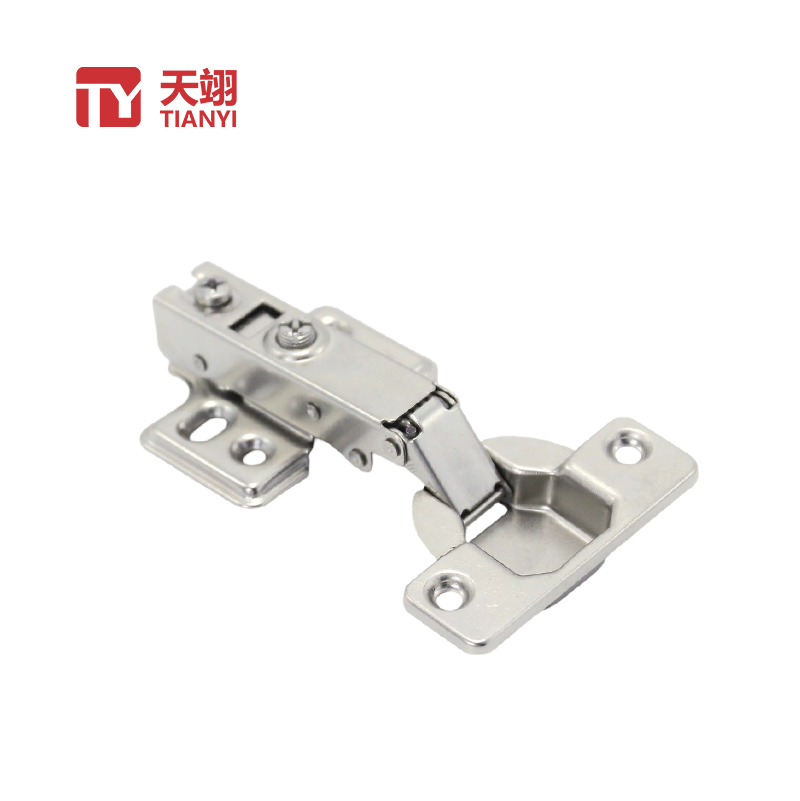
In modern furniture manufacturing, the concealed hinge—specifically the overlay cabinet hinge—serves as the foundational mechanical interface between the carcass and the door panel. While outwardly modest in form factor, an overlay hinge operates under severe dynamic stresses over decades of domestic and commercial duty cycles. For global procurement officers, project contractors, and OEM brands sourcing from China, selecting the proper overlay configuration requires an in-depth understanding of kinematics, metallurgy, and plating integrity.
Overlay hinges are engineered around three core spatial profiles: Full Overlay, Half Overlay, and Inset. A full overlay configuration permits the cabinet door to conceal the cabinet edge completely, leaving a micro-gap (typically 1.5 mm to 3 mm) for perimeter clearance. This architecture is predominant in European frameless cabinetry where sleek, monolithic architectural aesthetics dictate minimum reveal. Conversely, half overlay designs (often termed twin or dual-door mounting) allow two doors hinged on opposite sides to anchor into a single central dividing partition of 16 mm or 18 mm without hardware collision. The crank height of the hinge arm mathematically dictates this offset, ranging from 0 mm (straight arm for full overlay) to 9 mm (half overlay crank) and up to 18 mm (full crank for recessed inset doors).
| Kinematic Parameter | Full Overlay (Straight Arm) | Half Overlay (Cranked Arm) | Inset (High Cranked Arm) |
|---|---|---|---|
| Hinge Arm Crank Height | 0 mm (Straight) | 9 mm (Medium Crank) | 18 mm (Deep Crank) |
| Cup Diameter / Boring Depth | 35 mm / 11.5 mm – 12.0 mm | 35 mm / 11.5 mm – 12.0 mm | 35 mm / 11.5 mm – 12.0 mm |
| Door Panel Thickness Range | 14 mm to 22 mm standard (Up to 26 mm) | 14 mm to 22 mm | 16 mm to 24 mm |
| Baseplate Mounting Style | Clip-on 3D Cam or Slide-on | Clip-on 3D Cam or Slide-on | Clip-on 3D Cam or Slide-on |
| Corrosion Resistance Profile | Ni-plated Cold Rolled or SUS304 | Ni-plated Cold Rolled or SUS304 | Ni-plated Cold Rolled or SUS304 |
Metallurgical composition dictates functional longevity. High-volume commercial hinges use cold-rolled steel (Q195 or Q235 grade) stamped via progressive multi-stage dies. To preserve structural integrity against rust caused by interior kitchen humidity, high-grade electroplated nickel (minimum 3 to 5 microns) layered over a copper basecoat is essential. For high-moisture maritime, hospitality, or hospital environments, certified SUS304 or SUS201 austenitic stainless steel remains mandatory to prevent stress-corrosion cracking along the pivot pins.
The damper unit represents the vital hydraulic heart of modern soft-close hinges. Inferior units rely on simple air resistance cylinders that succumb to hydraulic fluid leakage or inconsistent viscosities in extreme climates. Industrial-grade overlay hinges from certified Chinese factories feature precision-machined copper or sealed steel hydraulic cylinders charged with stable synthetic silicon oil. This fluid retains optimal viscosity across a thermal window of -10°C to +50°C, ensuring a gentle, bounce-free closing velocity between 4° to 10° of the final door return arc.
Industry Intelligence
Future Procurement Trends in Cabinet Hardware
Market shifts altering global B2B purchasing strategies through 2026 and beyond.
Integrated 3D Cam Adjustability
Traditional manually-loosened slotted screw plates are rapidly being phased out. Importers now prioritize baseplates integrated with eccentric spiral cam screws. These allow millimetric adjustment in three axes—Depth (±2mm), Overlay (±2mm), and Vertical height (±2mm)—drastically reducing contractor labor during site installations.
Black Titanium & Dark Aesthetic Coatings
With minimalist, handle-less cabinetry and dark matte wood veneers rising in European and American joinery, the classic mirror-bright nickel finish is ceding market share. Electro-deposited matte black, anthracite gray, and PVD titanium finishes that resist alkaline cleaning agents are expanding rapidly across luxury specifications.
Low-Angle Soft-Damping Systems
Architectural buyers reject hardware that resists initial manual closure or snaps loudly before damping starts. The industry trend focuses on dual-stage kinematic linkages that maintain zero resistance when opening, combined with soft damping activation starting at a minimal 15° arc to avoid unnecessary stress on mounting dowels.
Evolutionary Trajectory
The Technological Trajectory of Hinge Engineering
From single-pivot friction assemblies to mechatronic damping and nano-coatings.
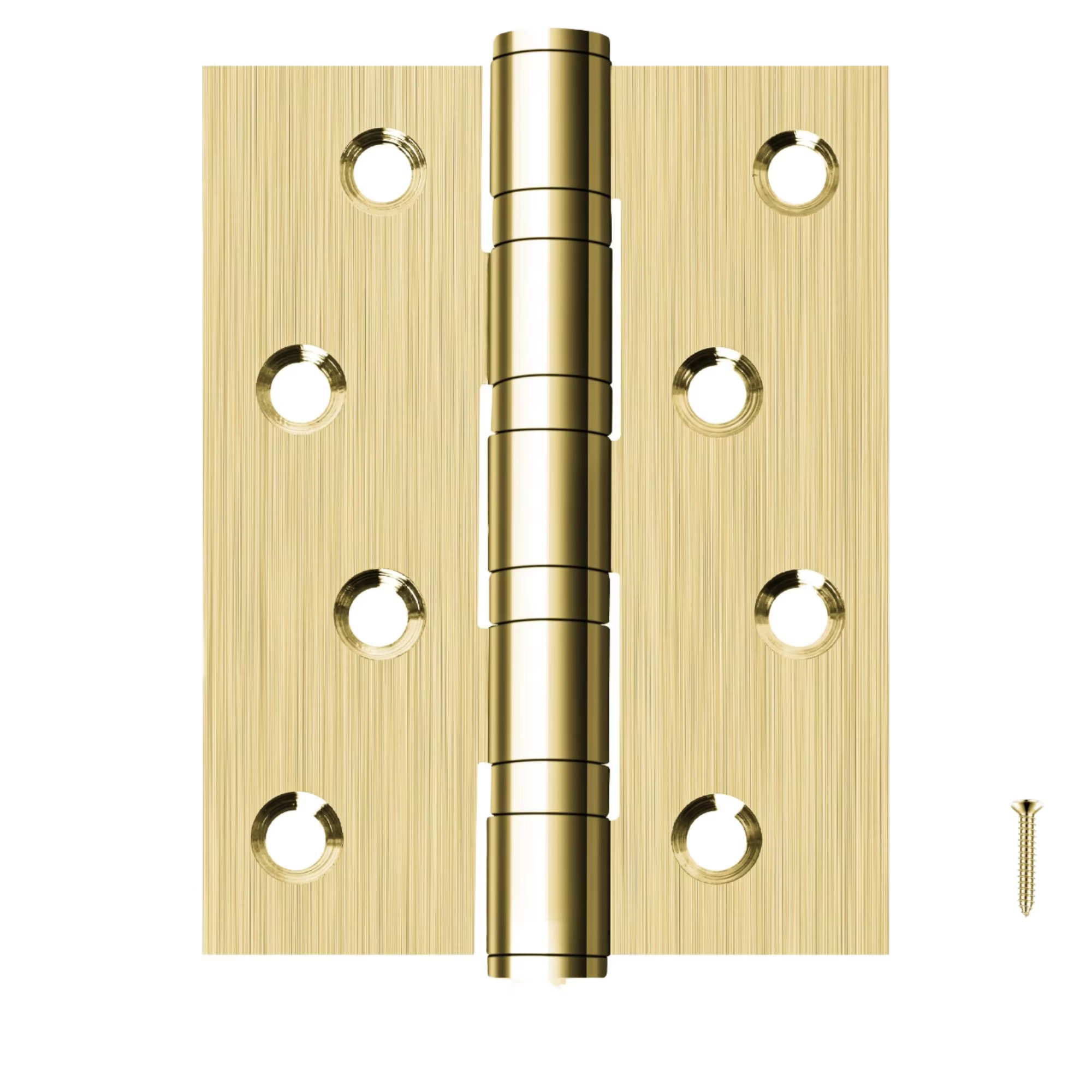
The historical development of cabinet hinges spans four clear generations. The first generation was dominated by simple visible butt hinges and exposed piano hinges that required extensive skilled joinery to mortise by hand. The second generation arrived with the introduction of European 35 mm cup concealed hinges, which moved the entire pivot body behind the door face and standardized automatic machine boring via fixed 32 mm grid patterns.
The third era introduced the piston-driven soft-close mechanism. Early models were clip-on external plastic modules prone to dislodging or failure. Today, we are firmly within the fourth generation: unified structural integration. High-speed progressive automated stamping presses bend the hinge arm, link plates, and damping chamber into a monolithic mechanism capable of withstanding 50,000 to 100,000 continuous opening and closing cycles under a 20 kg dynamic door load (compliant with EN 15570 Level 3 and ANSI/BHMA A156.9 benchmarks).
Looking ahead, the fifth evolutionary stage integrates smart tactile release systems (push-to-open unified with integrated mechanical soft closing inside the same cup cavity), eliminating external rebounders entirely. Concurrently, ecological compliance requirements such as EU RoHS and REACH have accelerated non-cyanide trivalent chromium and zinc-nickel alloy surface treatments that exceed 96 hours of neutral salt spray (NSS) testing without trace red rust.
Why Wudi Hardware
Consolidated Procurement & Manufacturing Power
Headquartered in Xiamen, Fujian, Xiamen Wudi Hardware Products Co., Ltd. eliminates supplier fragmentation for international B2B importers.
Intertek Onsite Checked
Verified manufacturing capabilities, corporate registration, and facilities audited by Intertek. Buyers are safeguarded with traceable export documentation and full compliance verification.
50+ Partner Factories
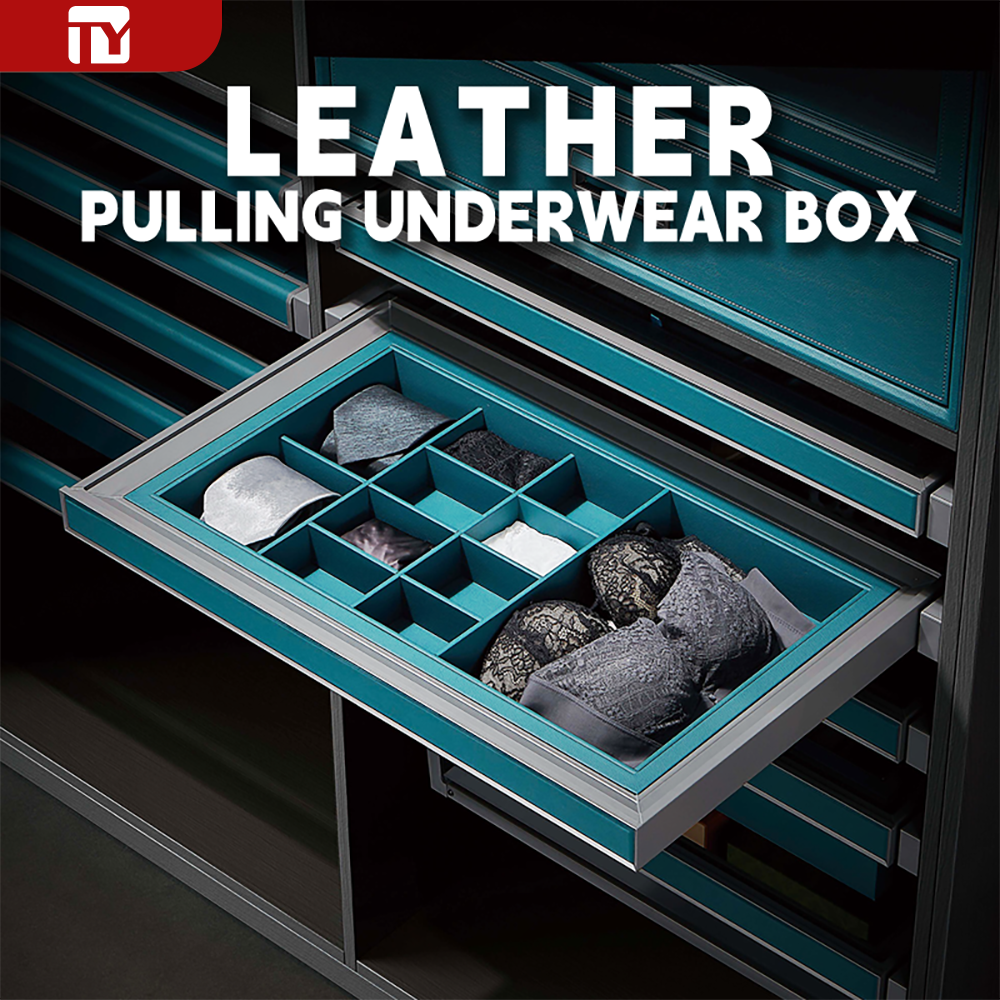
Beyond single-facility output limitations, our integrated network covers high-speed automated hinge lines, SUS304 sink deep-drawing, and wardrobe storage component production across Xiamen.
One-Stop Consolidation
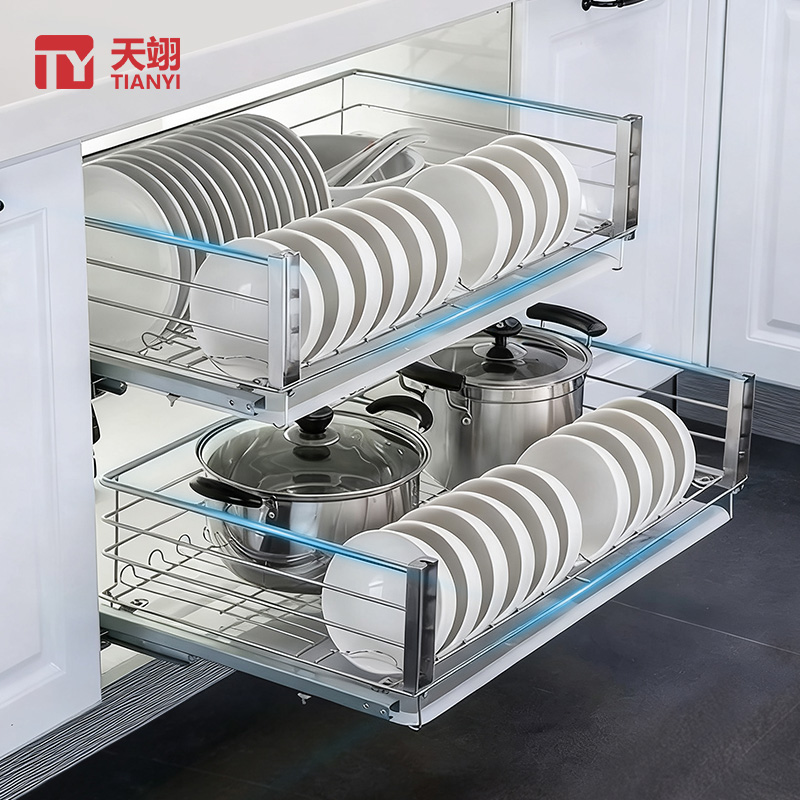
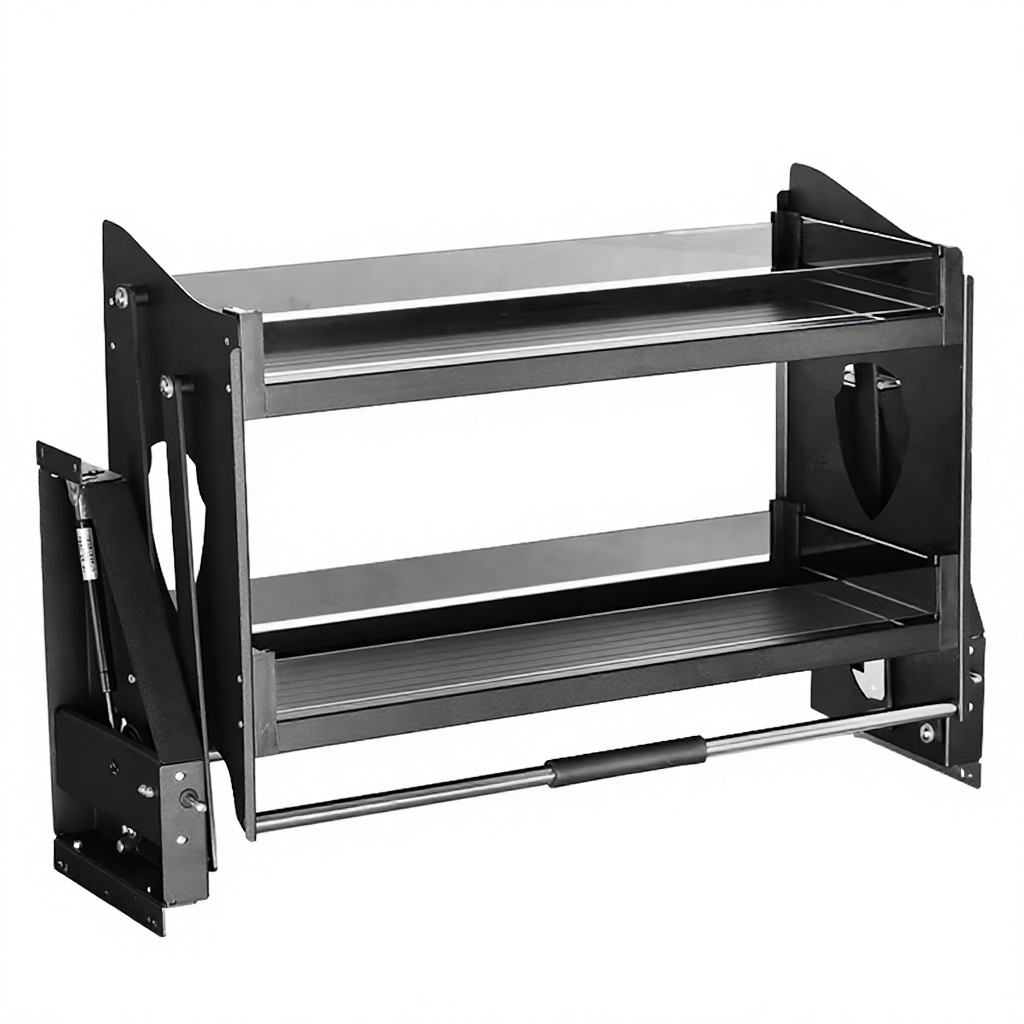
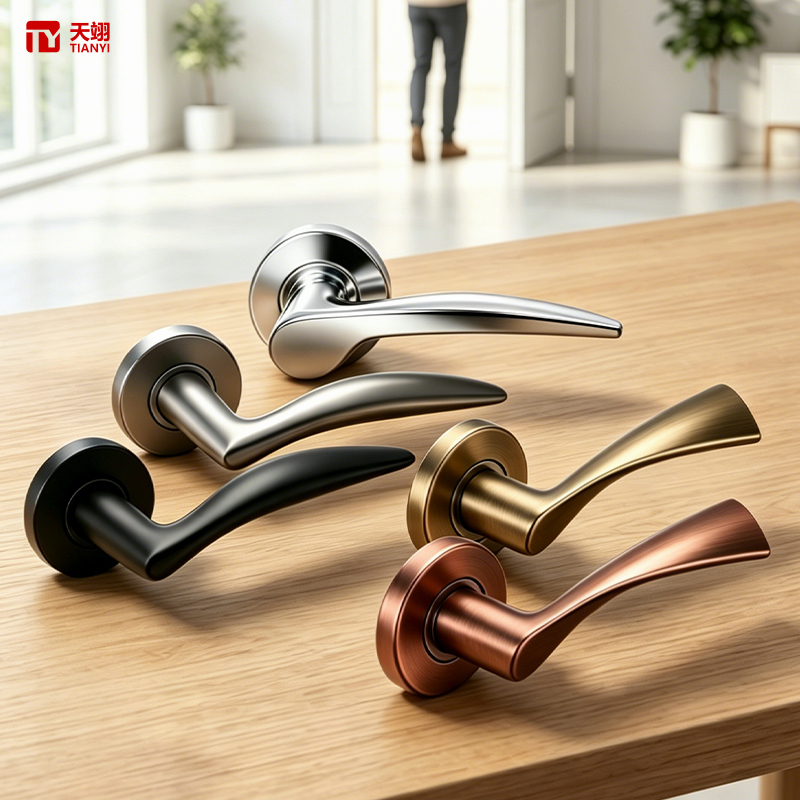
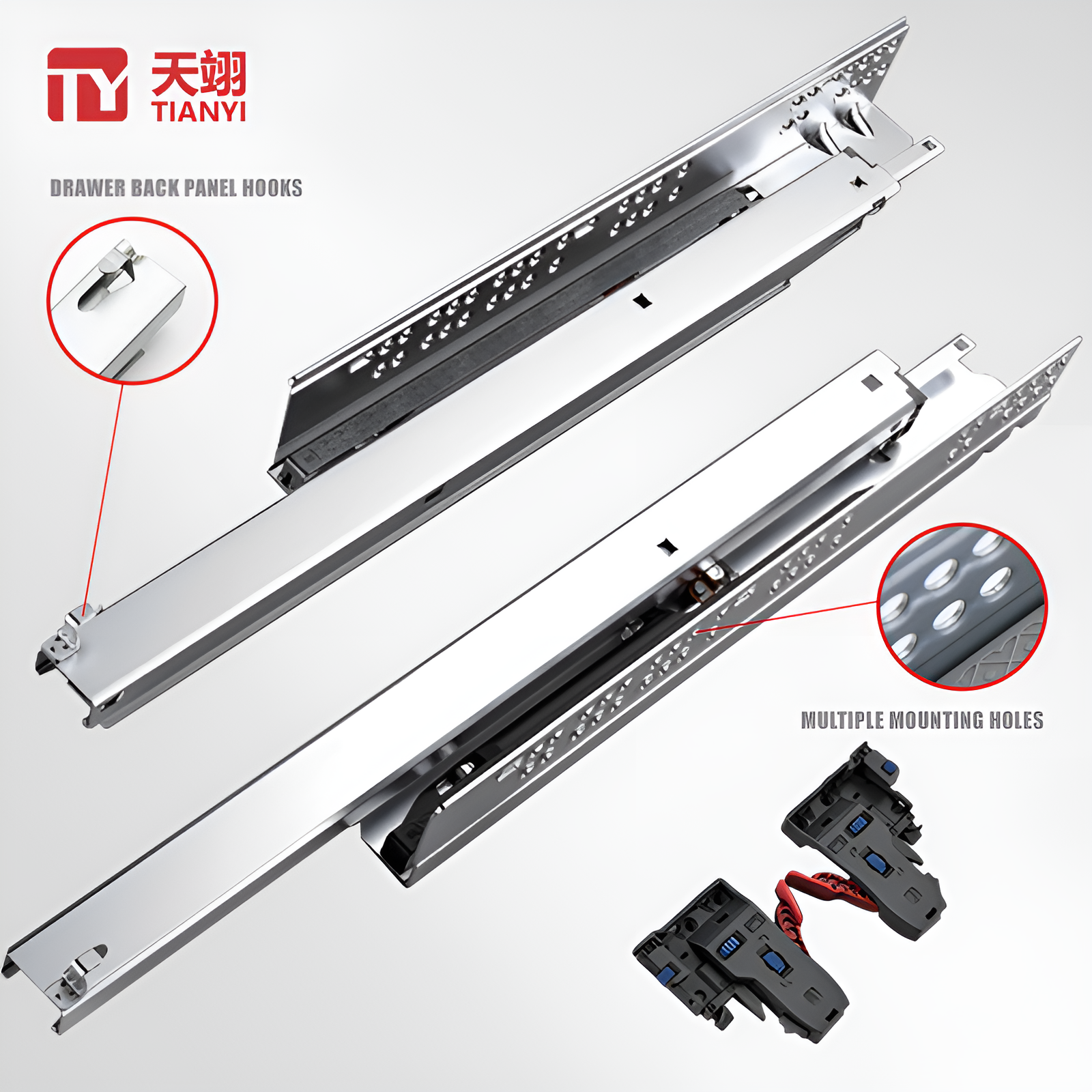
Eliminate LCL shipping inefficiencies. We consolidate concealed hinges, undermount drawer slides, kitchen pull-out baskets, and precision locks into single FCL sea containers under one bill of lading.
DDP Door-to-Door Delivery
We handle customs declaration, ocean freight, local drayage, and import tax clearance directly to your regional fulfillment centers in North America, Europe, the Middle East, and Australasia.
Purchasing FAQ
Frequently Asked Questions for Sourcing Managers
Direct answers addressing technical constraints, logistics, sampling, and commercial terms.
What is the standard Minimum Order Quantity (MOQ)?
MOQ varies depending on production setup. Standard catalog concealed cabinet hinges start from as low as 44 pieces for initial validation, and drawer slides from 1–10 pairs. For customized stamped logos on hinge arms, customized cup screw drill patterns, or branded color boxes, MOQs generally start at 10,000 pieces per batch.
Can we consolidate different hardware lines into one container?
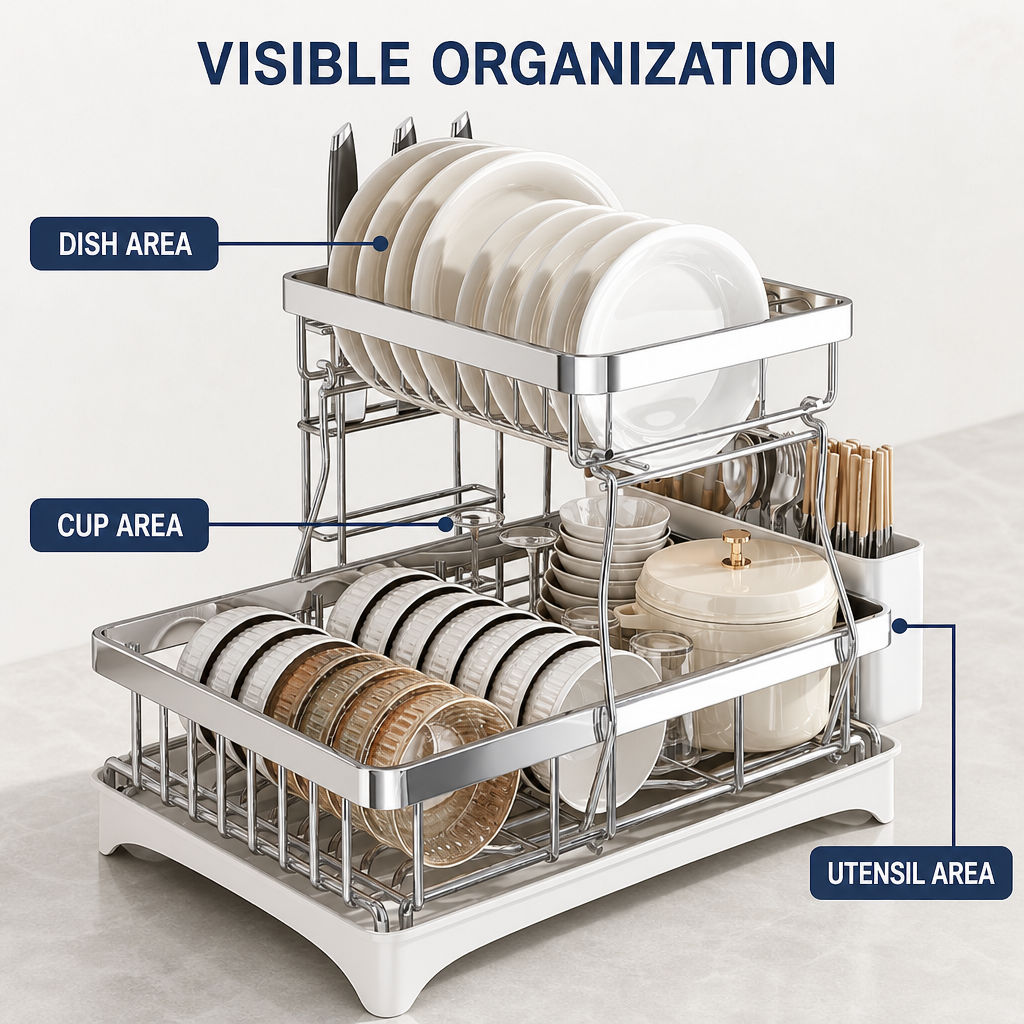
Yes. That is our core advantage. Importers can combine concealed hinges, undermount drawer slides, wire pull-out pantry baskets, stainless sinks, and wardrobe lift mechanisms into a single 20GP or 40HQ container, lowering port handling charges and minimum inventory carry costs.
How does Wudi verify plating and hydraulic durability?
Every batch undergoes three-stage quality control: incoming raw material gauge checks, in-line kinematic sampling, and pre-shipment inspection. Our hardware lines undergo 48 to 72 hours of neutral salt spray testing and run through pneumatic endurance testing machines rated for 50,000+ continuous motion cycles.
What international payment methods and delivery terms apply?
We accommodate T/T, L/C at sight, D/P, D/A, Credit Card, and PayPal in USD or CNY currencies. Trade shipping terms supported include FOB Xiamen/Shenzhen, CIF, CFR, and complete door-to-door DDP (Delivered Duty Paid) to simplify accounting for international distribution hubs.