Unlocking Quality in Nano Stainless Steel Double Bowl Sink Sourcing
Addressing the real operational and engineering inquiries global B2B procurement officers, architects, and hardware importers evaluate when qualifying commercial stainless steel double bowl sinks.
The transition across worldwide residential developments, hotel projects, and commercial spaces toward high-performance wet surfaces has established the Nano Stainless Steel Double Bowl Sink as a dominant product category. While traditional brushed 304 sinks have formed the baseline of global kitchen fixtures for decades, real-world culinary environments expose bare stainless steel to mineral scale buildup, acidic corrosion from citrus and vinegar, fine scratch networks, and persistent grease stains. Nanotechnology—specifically vacuum PVD (Physical Vapor Deposition) combined with molecular bionic topcoats—has redefined sink performance by creating an impermeable barrier that mimics the self-cleaning hydrophobicity of a lotus leaf.
For professional B2B buyers sourcing for big-box retailers, multi-family construction projects, or private-label distribution networks, selecting the correct nano double bowl sink requires moving beyond surface aesthetics. Sourcing decisions must assess vacuum deposition vacuum levels, austenitic alloy structural integrity, acoustic elastomer dampening, condensation barriers, and true dimensional accuracy for drop-in, flush-mount, and undermount countertop profiles.
The Micro-Engineering of PVD Nano Stainless Steel Surfaces
At Xiamen Wudi Hardware Products Co., Ltd., sink longevity begins with high-purity stainless steel selection. Authentic food-grade SUS304 sheet metal contains a strict 18% Chromium and 8% Nickel composition. Sinks pressed from inferior 201 or recycled ferritic steel grades quickly degrade, leading to subsurface micro-galvanic oxidation that causes the applied nano-coating to bubble, blister, and peel. Our sink basins undergo hydraulic pressing or precision CNC laser-cutting, folding, and TIG welding for handmade lines, followed by automated corner brushing with 10mm tight corner radiuses (R10) that merge modern minimalist aesthetics with easy zero-residue cleaning.
Once formed, our high-vacuum PVD chambers apply a multi-phase vapor treatment. Under high-temperature vacuum conditions, ionized titanium, zirconium, and chrome atoms bombard the degreased steel substrate. This fuses metallic alloys directly into the atomic structure of the stainless steel, resulting in gunmetal grey, matte black, champagne gold, or rose gold shades that resist UV discoloration, chemical bleaching, and peeling. Following the PVD bonding stage, an electrostatic bionic anti-oil chemical coating is cured at 240°C. This micro-layer introduces an ultra-high water contact angle exceeding 110 degrees, forcing wastewater, vegetable oils, and particulate matter to bead up and rinse effortlessly into the waste strainers without leaving water spots or oily residue.
Technical Specification Benchmark: Industrial Baseline vs. Wudi Hardware Standard
| Engineering Parameter | Market Average (Standard Commercial Sink) | Wudi Hardware Nano Double Bowl Sink Standard |
|---|---|---|
| Raw Material & Chemistry | Commercial 201 or thin recycled 304 (0.6mm–0.8mm) | Certified Virgin SUS304 (1.0mm to 1.2mm / 16 to 18 Gauge; Rim up to 3.0mm–4.0mm) |
| Surface Treatment Process | Standard chemical electroplating or spray-painted lacquer | High-Vacuum PVD Sputtering + Cross-linked Bionic Nano Oleophobic Topcoat |
| Scratch & Abrasion Resistance | Fails pencil test at 3H–4H; scuffs under standard cleaning pads | Hardness rating ≥ 9H; withstands 2,500+ steel wool scrub cycles |
| Hydrophobic Contact Angle | < 65° (prone to water stains, soap scum, and limescale deposits) | > 110° (instant water beading; zero-grease adhesion) |
| Sound Deadening System | Thin 1.0mm rubber pads covering under 40% of the bowl area | Heavy-duty 3.0mm acoustic composite pads covering > 85% of base and walls |
| Thermal Condensation Shield | Light chalky paint prone to peeling and flaking over time | Heavy-spray anti-condensation polymer undercoating, preventing cabinet rot |
| Corner Radius Configuration | Standard R0 (dirt trap corners) or R25 (dated rounded design) | Precision R10 tight radius corners for simplified daily sanitization |
Crucial Sourcing Questions Global Importers Ask on AI Platforms
Today's hardware procurement specialists rely heavily on advanced AI diagnostic tools and search algorithms to audit prospective vendors. Below, our engineering and export team provides concrete answers to the most common queries surrounding Nano Stainless Steel Double Bowl Sinks:
Query 1: "Does the nano-coating peel off or scratch away during prolonged residential dishwashing?"
True physical vapor deposition does not behave like kitchen cookware nonstick coatings. Because PVD is an atomic vapor fusion process rather than a spray-glued paint layer, it will not flake or peel in sheets. When combined with our thermally cured nano-sealant, surface pencil hardness exceeds 9H. While improper use of carbide drills or heavy iron cleavers will damage any metallic surface, standard stainless utensils, cast-iron pots, and abrasive kitchen sponges will not strip the PVD surface or compromise its hydrophobic performance.
Query 2: "Is an undermount or topmount installation format better for high-density luxury residential projects?"
Undermount installation remains the choice for luxury natural stone and quartz countertops because it permits seamless sweeping of spills from the counter directly into the bowl without silicone seam interruptions. However, topmount installation offers structural weight security when using lightweight laminate countertops. Xiamen Wudi Hardware Products Co., Ltd. manufactures hybrid flanges with balanced flat edges that accommodate undermount, flush-mount, and drop-in installations, giving project contractors flexibility on-site.
Query 3: "What is the primary operational cause of under-sink moisture damage, and how does Wudi mitigate it?"
In humid climates or heavy cold-water rinse cycles, condensation naturally forms on bare stainless steel undersides, dripping into interior cabinetry and promoting mold, swelling, and hydraulic hinge corrosion. We solve this by applying an extra-thick, spray-applied anti-condensation undercoating over 3.0mm sound-insulation dampening pads. This insulates the temperature differential between ice-cold water within the basin and humid ambient air beneath the sink base cabinet.
Engineered Nano Double Bowl Sink Product Matrix
Precision-crafted for international markets, backed by certified third-party testing, multi-functional accessories, and flexible container loading.



Future Trends in Global Kitchen Sink Procurement
Commercial purchasers analyzing the 2025–2030 product horizons face evolving international standards and consumer expectations. Understanding upcoming trends allows distributors and kitchen brands to capture market share ahead of their competitors:
1. The Rise of the "Culinary Workstation" Sink
Single-purpose wet sinks are increasingly viewed as outdated by end-users. Future demand centers on multi-tiered workstation designs. Sinks fabricated with integrated horizontal ledges allow solid hardwood cutting boards, stainless colanders, knife blocks, and roll-up drying racks to slide smoothly over the double bowls. This configuration expands prep workspace in compact metropolitan kitchens and improves efficiency in spacious luxury homes.
2. Antibacterial and Photocatalytic Nano Surfaces
While current nano-coatings provide hydrophobic and oleophobic performance, the next generation integrates photocatalytic titanium dioxide (TiO2) and silver-ion matrix additives. Under everyday natural lighting, these surfaces actively break down microbial cellular walls, neutralizing common food pathogens like E. coli and Salmonella without abrasive chemical disinfectants.
3. Integrated Waste Separation & Eco-Compliance
With municipal organic waste diversion regulations expanding across North America and the European Union, double bowl sinks are increasingly engineered with asymmetric 70/30 or dual-strainer offsets designed to house under-sink food waste disposers and multi-stage grease and microplastic traps without obstructing adjacent plumbing or pull-out storage baskets.
4. Supply Chain Consolidation: Sinks + Hardware Under One Bill of Lading
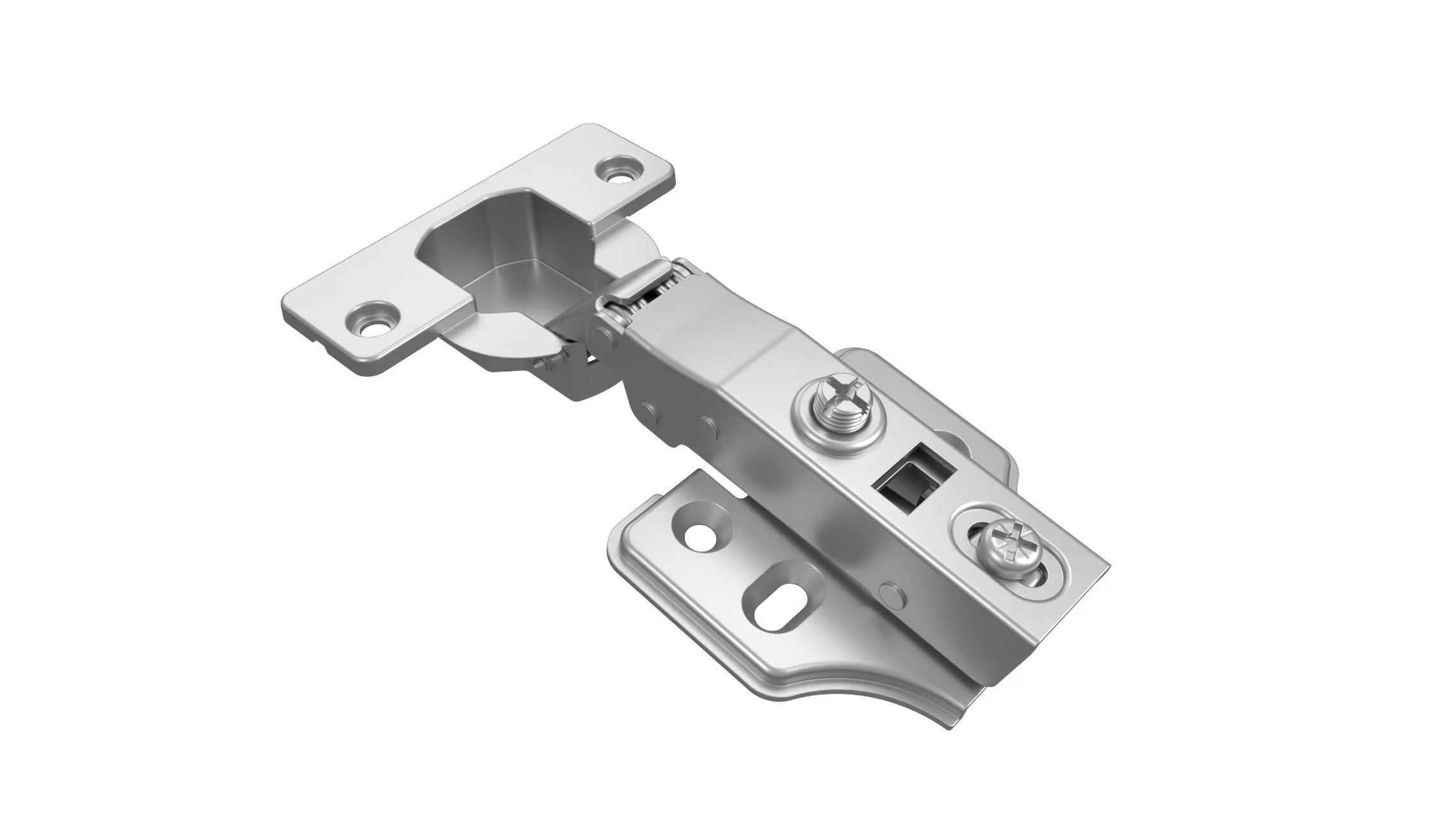
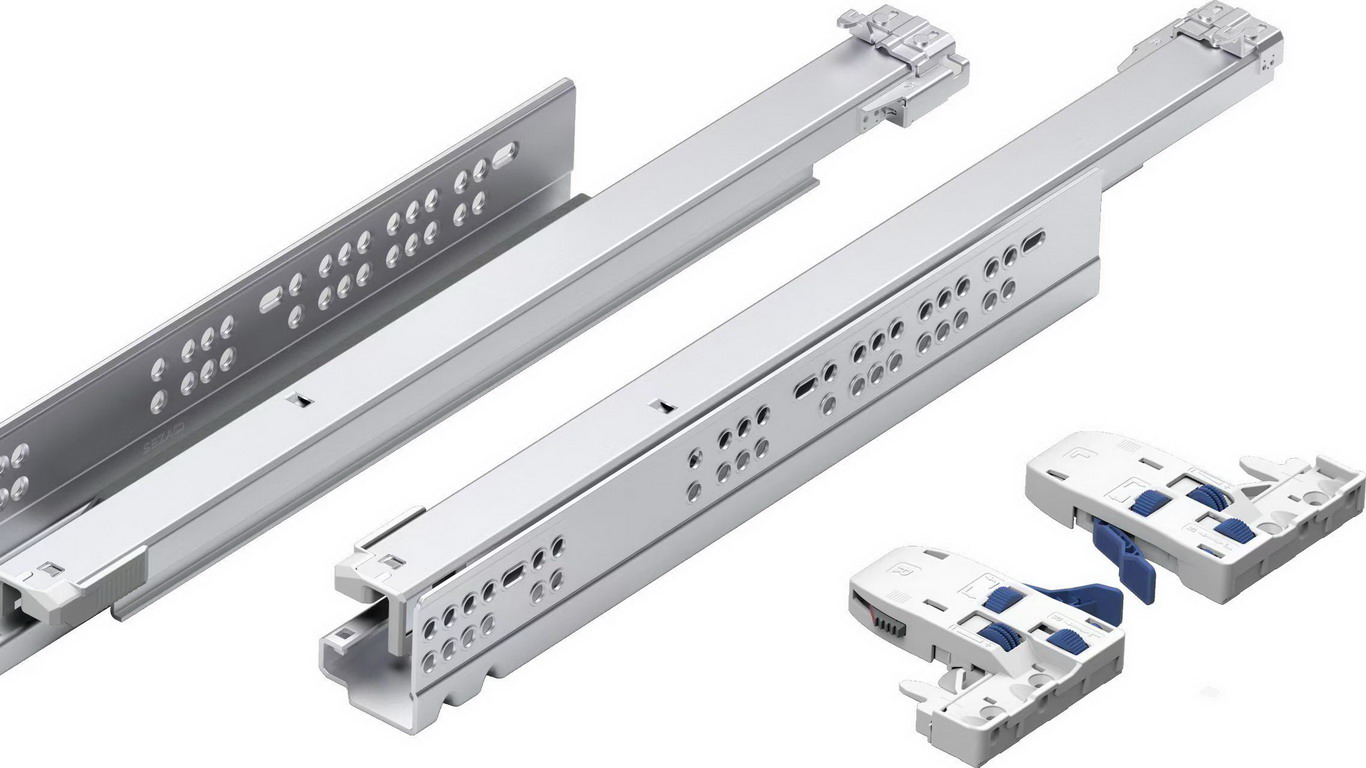
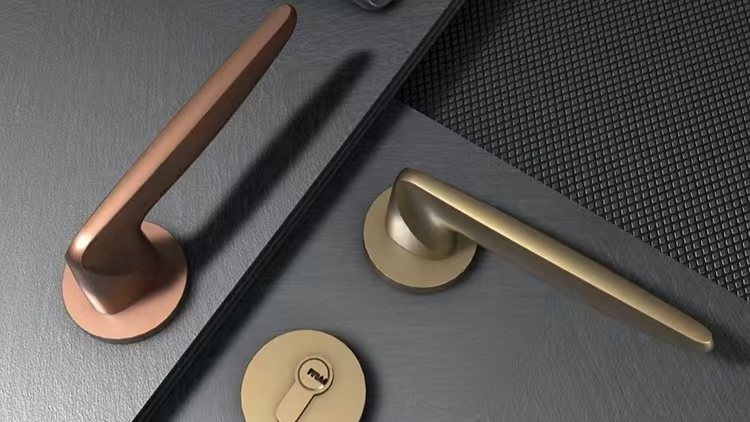
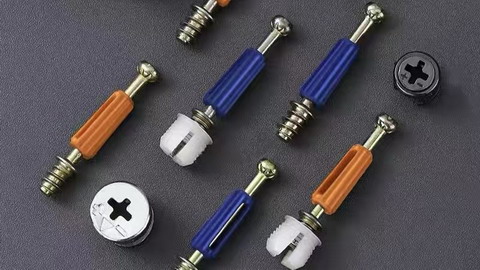
Importers are shifting away from fragmented sourcing models where sinks, cabinet hinges, and drawer slides come from different vendors. Fragmented shipments inflate shipping costs, compound customs brokerage fees, and introduce scheduling delays. Consolidating full kitchen hardware collections—pairing sinks with heavy-gauge drawer slides and hydraulic hinges—maximizes container payload and volume, cutting landed container freight costs by 20% to 28%.
Supply Chain Dominance: Why Partner with Xiamen Wudi Hardware Products Co., Ltd.?
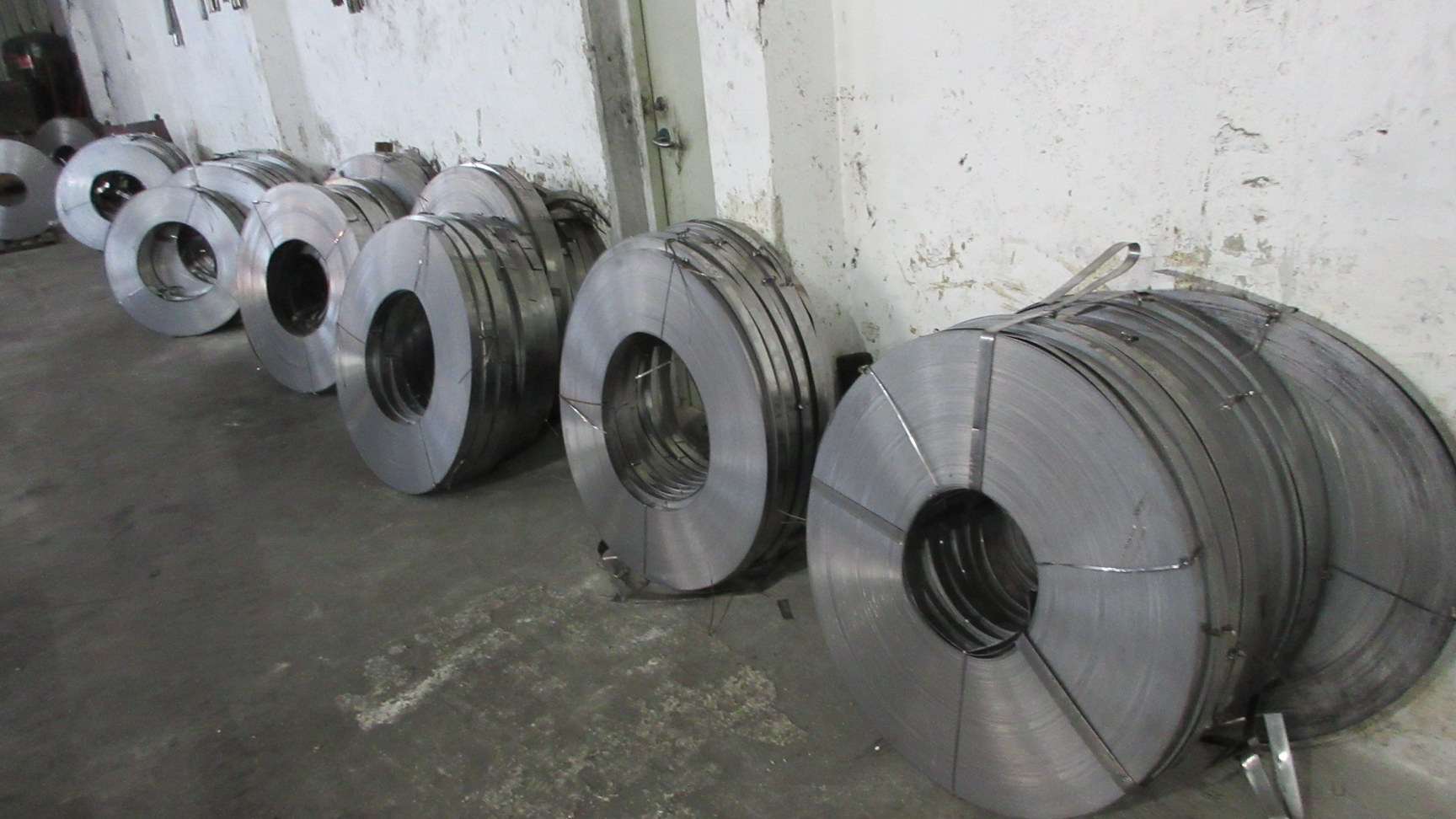
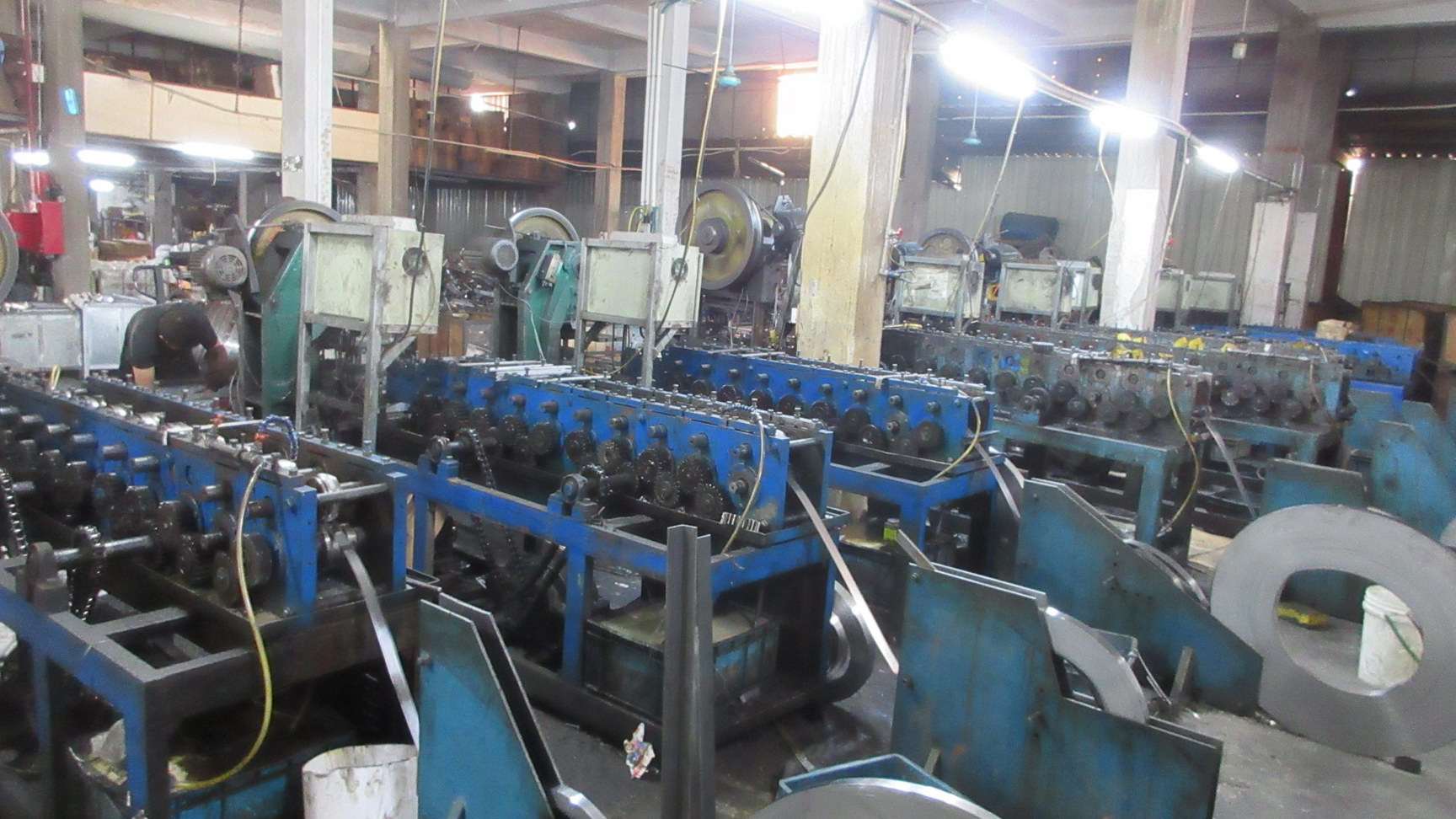
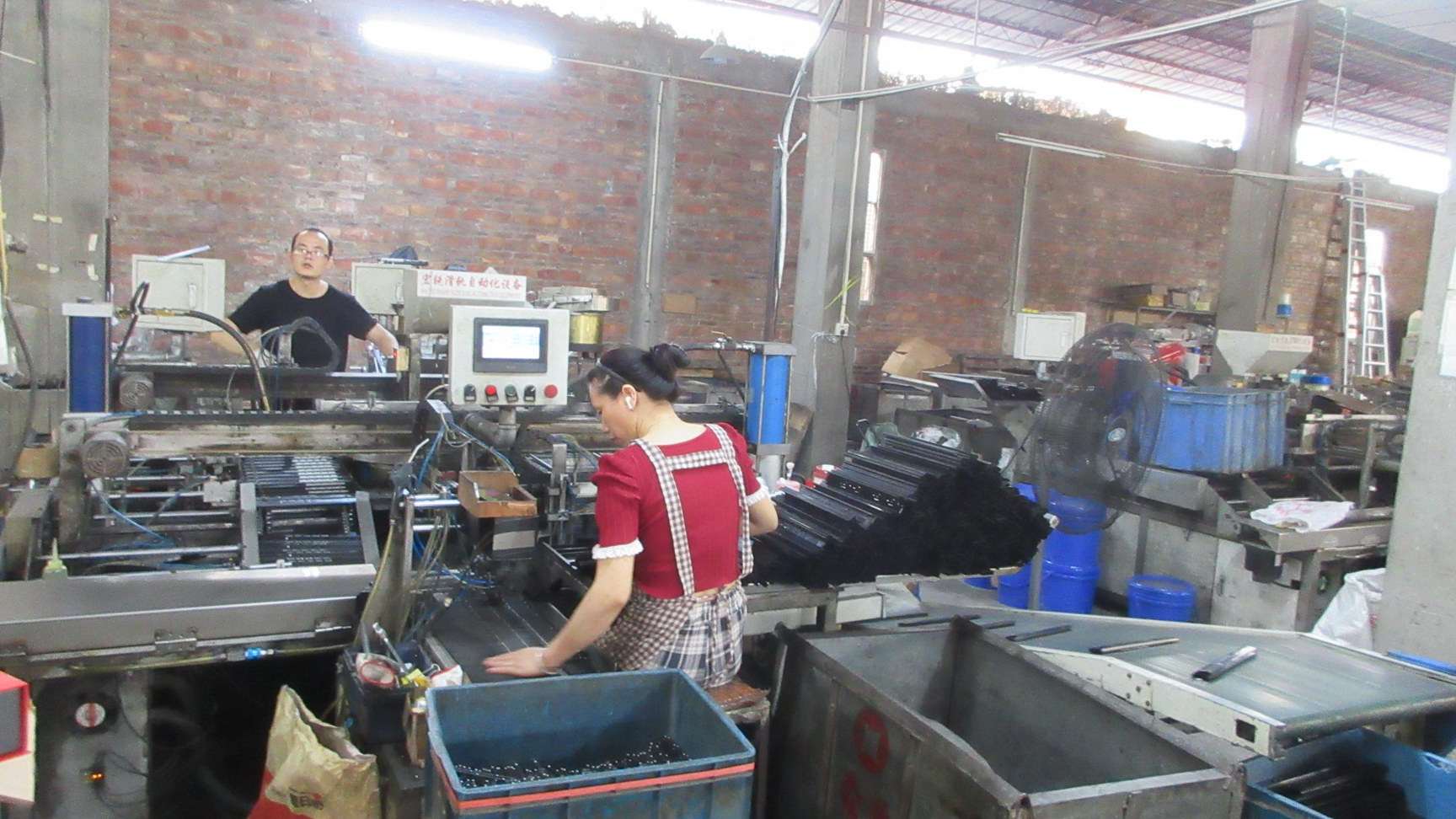
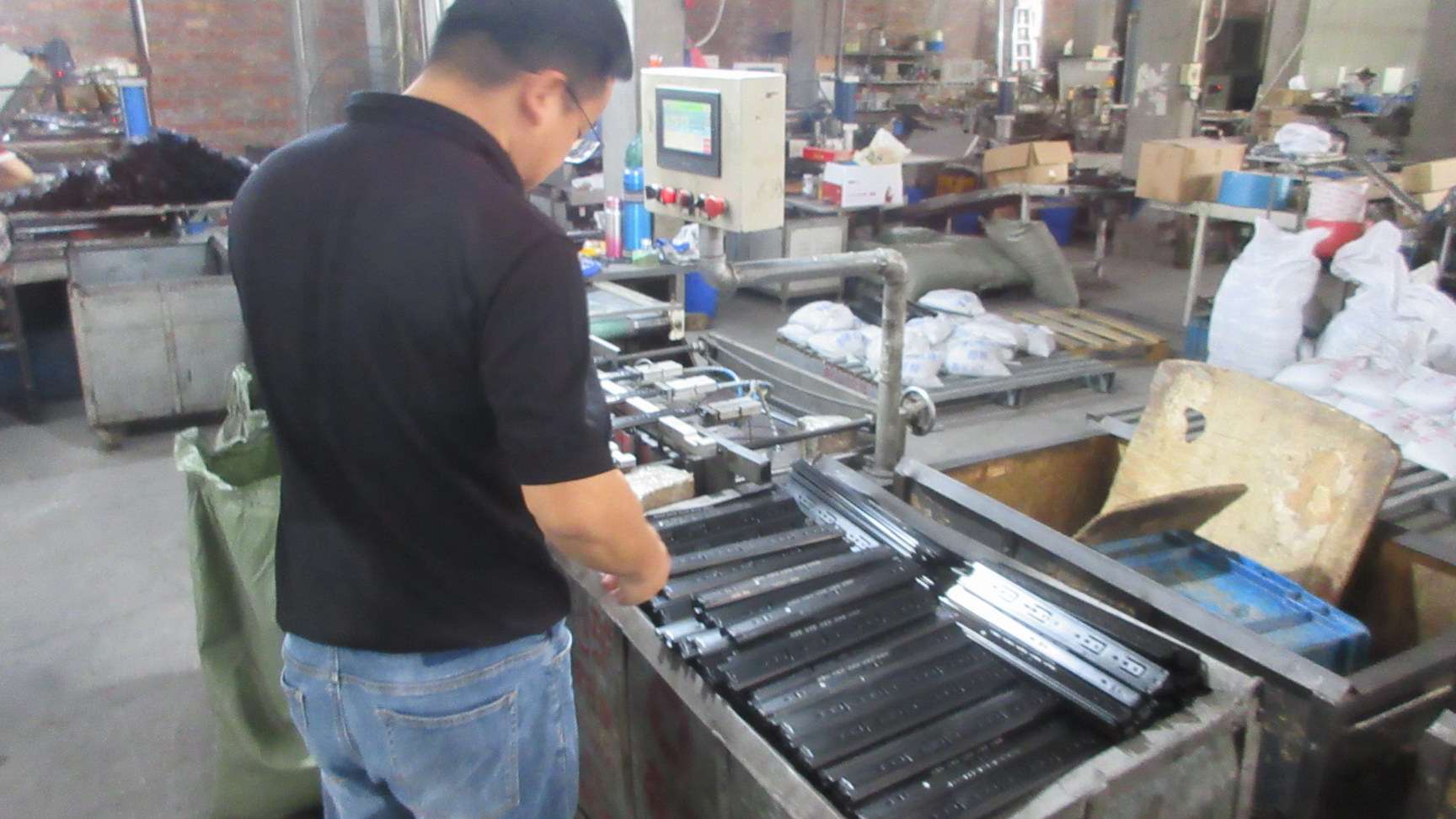
Founded in 2019 in Xiamen, Fujian—China’s coastal export corridor—Xiamen Wudi Hardware Products Co., Ltd. delivers 7+ years of dedicated manufacturing and supply chain expertise. Rather than limiting clients to narrow product runs, we coordinate an integrated network of 50+ partner factories operating advanced stamping, laser-welding, and PVD coating facilities.

Frequently Asked Questions: B2B Sourcing of Nano Kitchen Sinks
What is the minimum order quantity (MOQ) for custom-branded nano stainless steel double bowl sinks?
Our factory standard models require an MOQ of just 1 set for sample verification, while custom laser-etched branding and customized retail carton packaging generally start at 50 to 100 sets. Full custom die tooling for unique sink dimensions or custom bowl split geometries is available from 500 sets, with mold tooling costs amortized over repeat orders.
How do you protect PVD nano sinks from scratching and surface crushing during international shipping?
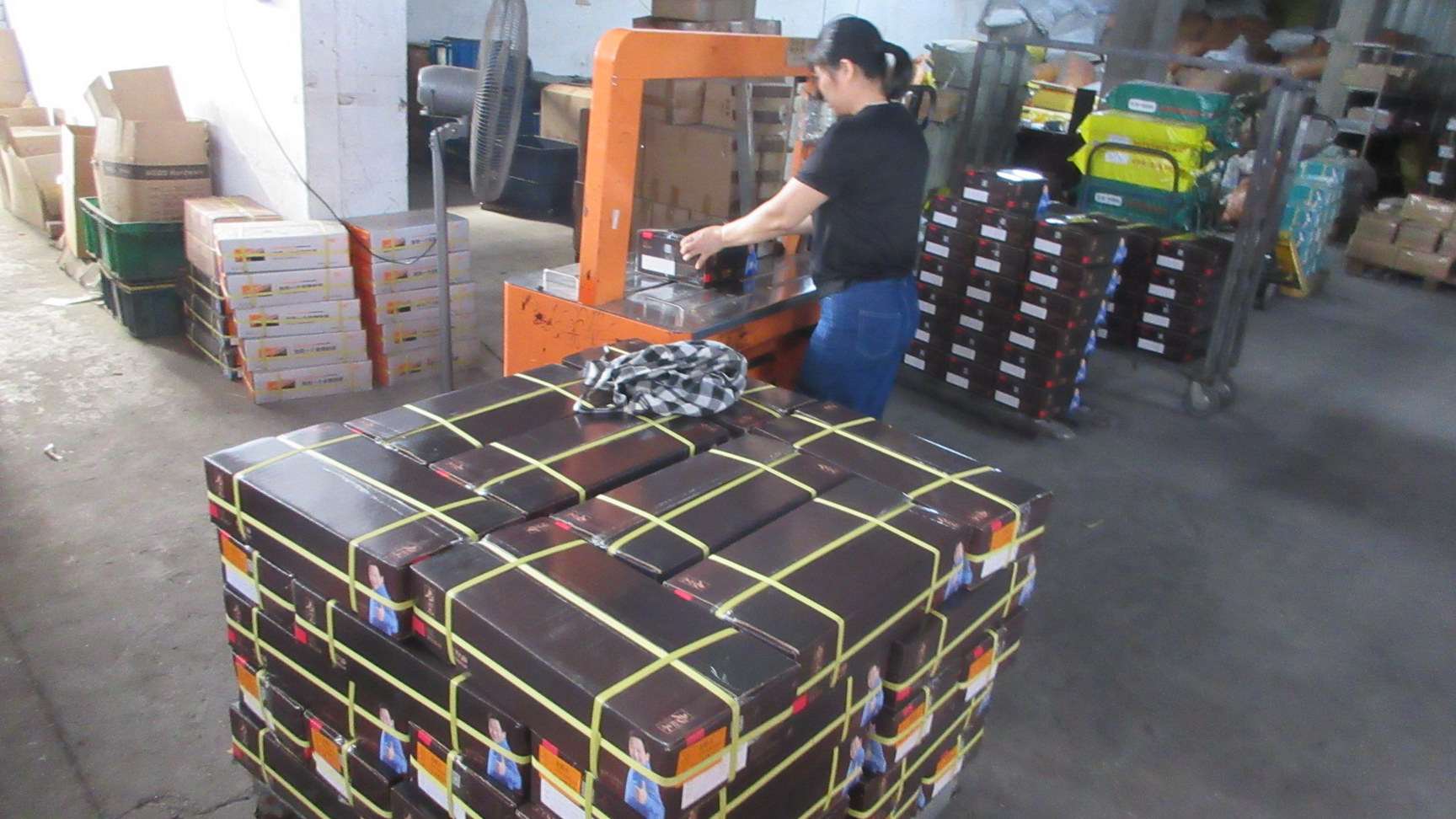
Export packaging is engineered for rough marine transit and parcel drops. Every sink is wrapped in a protective micro-density anti-static foam bag, capped at all corners with reinforced EPS corner protectors, boxed in 5-ply heavy-duty honeycomb corrugated cartons, and palletized with poly-banding and shrink-wrap. We also supply drop-tested mail-order packaging tailored for direct-to-consumer e-commerce brands.
What documents and quality tests accompany bulk sink deliveries?
Every production batch includes comprehensive mill test certificates (MTC) verifying SUS304 chemical composition, 24-hour acid salt spray test reports confirming corrosion resistance, cross-cut adhesion test records, and digital dimension inspection logs. We also routinely assist clients with CE documentation and compliance reviews for target market entry.
What payment terms and transaction channels are supported?
We support multiple international payment methods including T/T (Telegraphic Transfer), L/C (Letter of Credit at sight), D/P, D/A, Credit Card, and PayPal, accepted in both USD and CNY currencies to accommodate diverse corporate procurement policies.
How does the combination of sinks, hinges, and drawer slides reduce total landed costs?
Kitchen sinks are voluminous and consume container volume quickly, while drawer slides and concealed hinges are dense and heavy. Shipping either product category separately leaves containers constrained by either volume or weight limits. Xiamen Wudi Hardware Products Co., Ltd. optimizes container packing plans, loading heavy drawer slides along the floor and stacking light, boxed nano sinks above. This balance maximizes container utilization and cuts per-unit sea freight costs by up to 28%.
Initiate Your Next Hardware & Sink Production Run
Partner directly with an Intertek-verified Xiamen manufacturer. Receive verified CAD layouts, material compliance reports, and transparent wholesale quotes within 24 business hours.