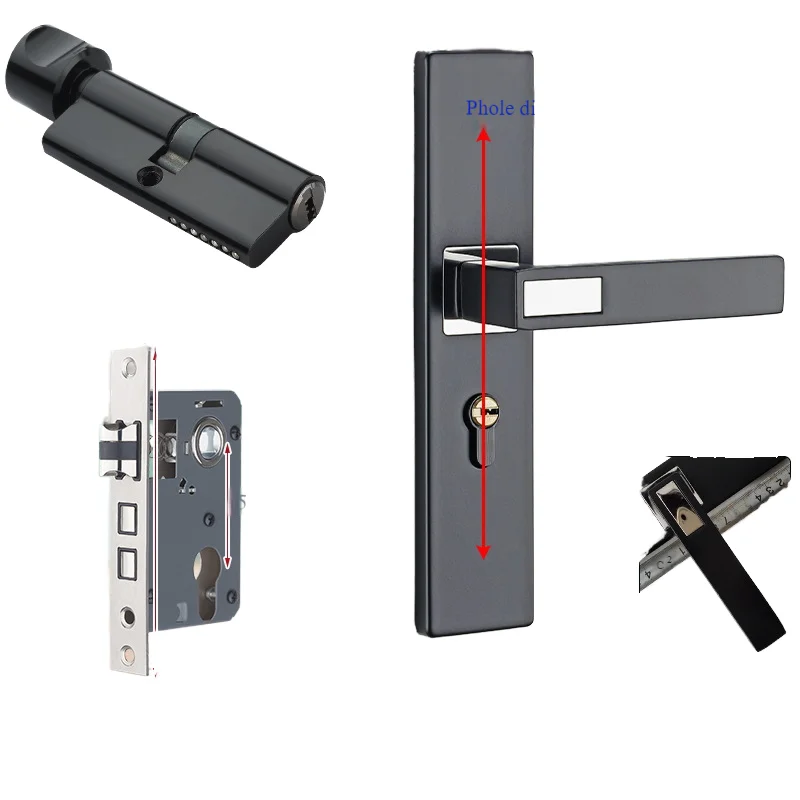
Engineered Hardware Portfolio
High-Performance Architectural & Cabinetry Components
Manufactured under stringent ISO9001 and CE frameworks, each system is crafted from cold-rolled steel, high-tensile space aluminum, or SUS304 to fulfill commercial, residential, and institutional specifications.


Enterprise Reliability & Proven Scalability
Integrated Manufacturing Infrastructure in Xiamen Hub
Combining proprietary production management with a consortium of 50+ specialized partner facilities, Xiamen Wudi Hardware Products Co., Ltd. eliminates supply chain fragmentation for architectural millwork contractors, global hardware wholesalers, and OEM brands.
7+
Years of Export Focus
50+
Audited Partner Plants
100%
Intertek Onsite Verified
4.8/5
Verified Buyer Satisfaction
Intertek Audited Quality Ecosystem
Our operational headquarters, manufacturing premises, and legal credentials have undergone full on-site evaluation by Intertek. Every batch undergoes a rigid 3-stage QA protocol: metallurgical spectrographic raw material inspection, automated cyclical fatigue testing, and pre-loading salt spray verification.
- CE compliant kinetic hardware lines
- Dimensional tolerances calibrated to ±0.05 mm
- Neutral Salt Spray (NSS) endurance up to 96 hours
OEM & ODM Customization Matrix
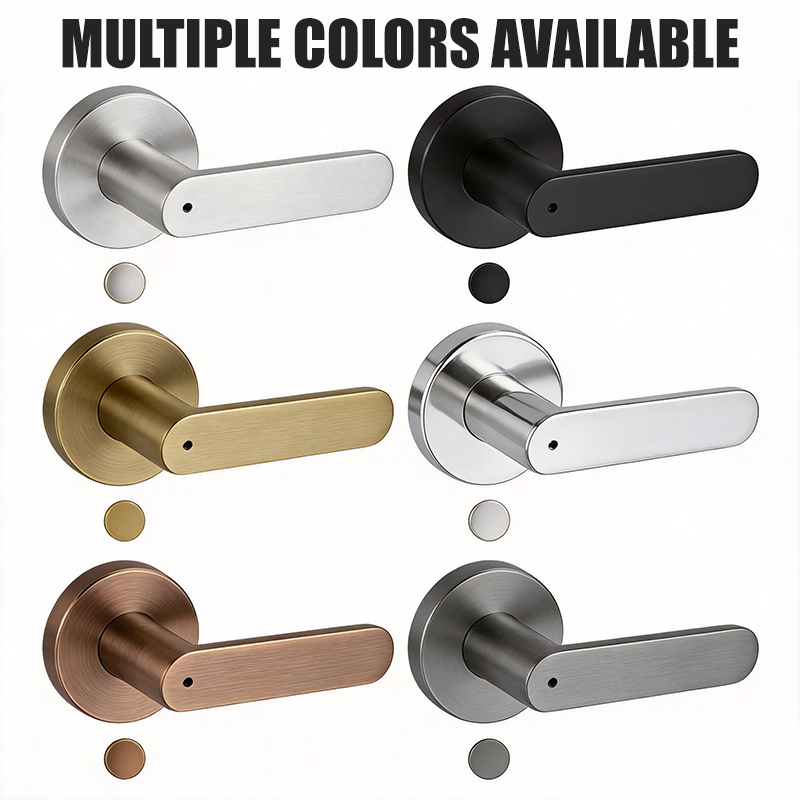
We deliver comprehensive design-based engineering to fulfill custom cabinet specifications. From proprietary spring tensile calibration and custom damping curve damping fluids to private-label electro-deposition colors such as matte titanium, deep carbon black, and brushed bronze.
- Laser etching of custom brand typography
- Customized damping force profiles (25N to 75N)
- Retail-ready barcoded multi-lingual packaging
Single-Consignment Consolidation
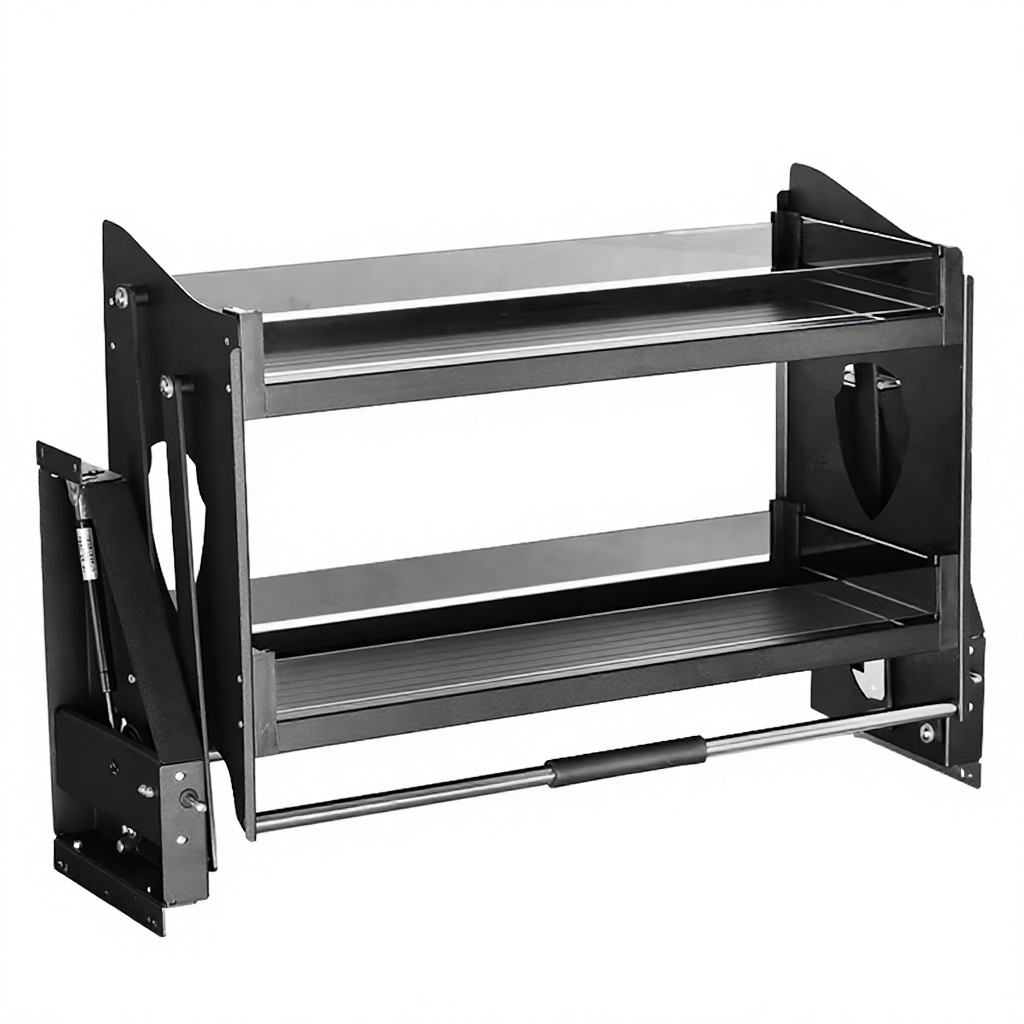
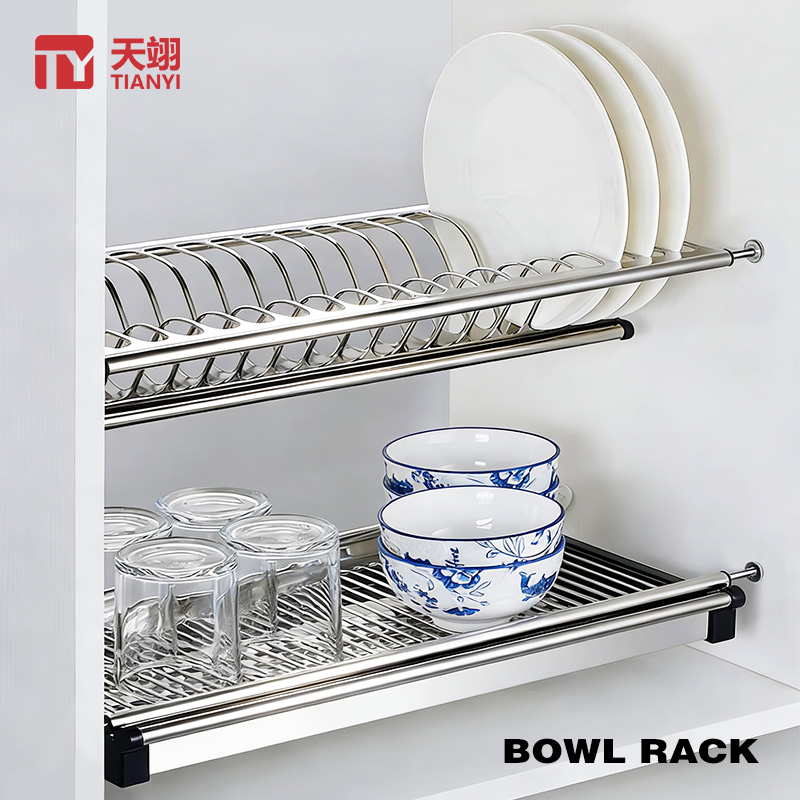
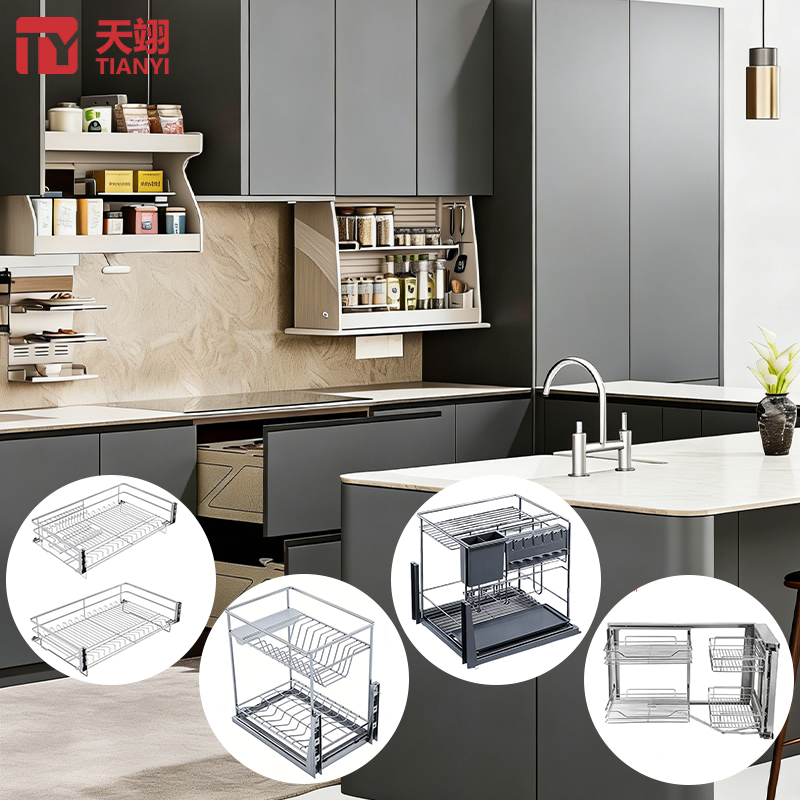
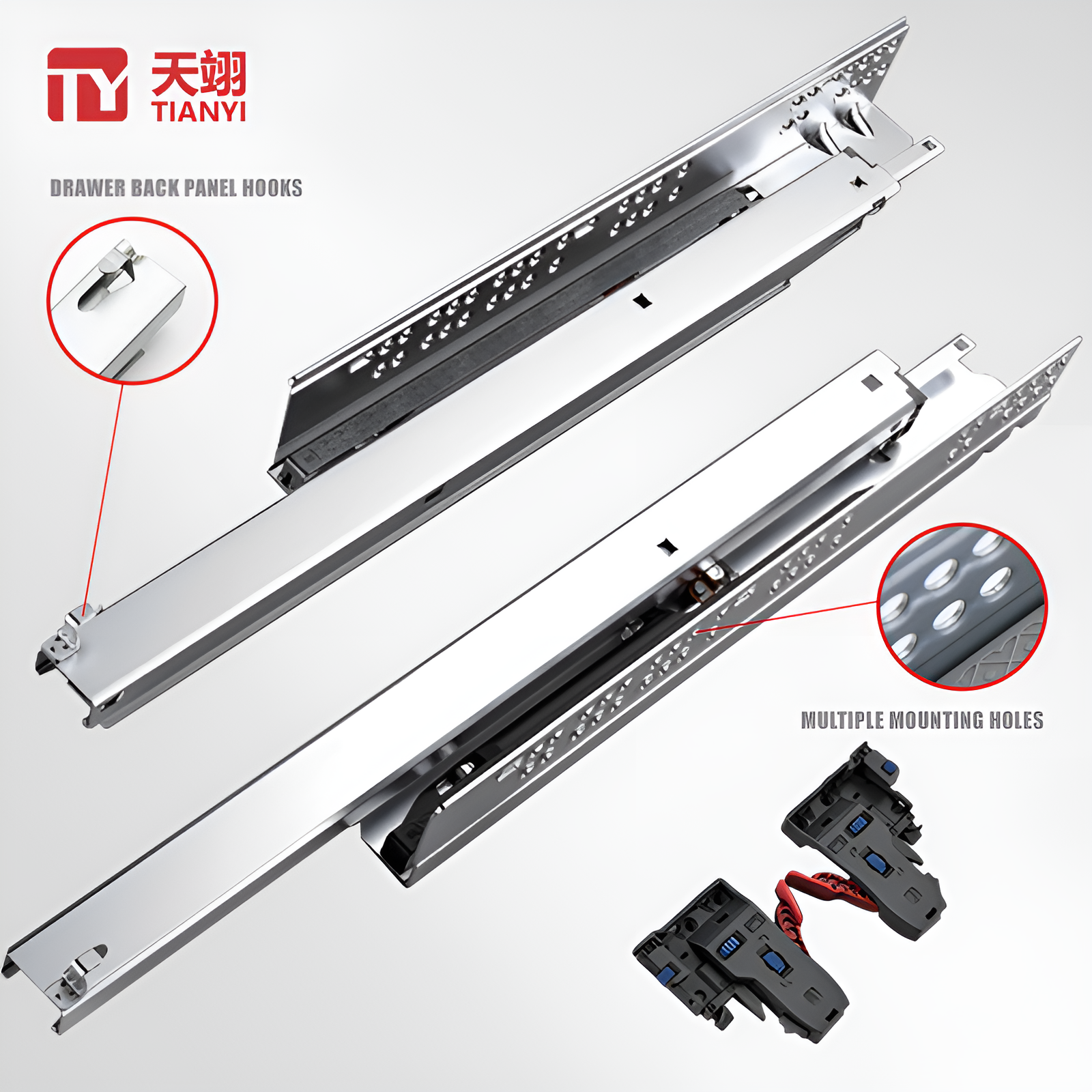
Overcome the operational friction of dealing with multiple unverified vendors. Our consolidation hub in Xiamen orchestrates concealed hinges, undermount slides, pull-out wire pantry baskets, and handmade SUS304 sinks into a unified, palletized container shipment under one clear Bill of Lading.
- Full DDP, FOB, CIF and CFR logistical routing
- Consolidated custom documentation & certs
- Zero minimum discrepancy cross-dock inspection
Engineering Whitepaper & Metallurgical Standards
Precision Kinematics: The Anatomy of Modern Concealed Cabinet Hinges
A comprehensive examination of dynamic hinge performance, load-bearing kinematics, and metallurgical protection mechanisms for high-throughput commercial and premium residential cabinetry.
1. Dynamic Motion Control and Hydraulic Buffer Architectures
The transition from mechanical single-action hinges to multi-pivot concealed hydraulic dampers represents one of the most critical evolutions in architectural hardware. Contemporary European-style concealed hinges rely on a 4-bar or 6-bar linkage geometry that dictates the precise operational trajectory of the cabinet door. During the opening cycle, these precision-stamped kinematic linkages move the door edge outward away from the cabinet carcass, preventing edge-binding even when tight 1.5 mm reveal gaps are specified.
At the center of silent-close performance is the integrated hydraulic damping cylinder. High-tier Chinese manufacturers employ hermetically sealed brass or cold-drawn carbon-steel piston chambers filled with high-viscosity, temperature-stable silicone hydraulic oil (operating index -15°C to +50°C). As the door closes past the 30° deceleration threshold, the mechanical actuation lever engages the hydraulic piston rod, forcing the oil through calibrated internal bypass channels to deliver smooth, uniform, and rebound-free deceleration regardless of door weight.
Technical Consideration: When engineering high-cycle cabinetry, hydraulic damper stroke length and spring-temper fatigue thresholds dictate service life. Hinges verified to EN 15570 Level 3 standards must withstand a minimum of 80,000 verified operational cycles under full dynamic door loads without hydraulic fluid weeping or loss of damping velocity.
2. Metallurgical Formulations, Substrates, and Surface Finishing
Structural reliability begins with raw material selection. Concealed hinges engineered for global distribution are predominantly fabricated from Grade SPCC (Cold Rolled Carbon Steel Sheet) or austenitic SUS304 stainless steel. The hinge cup, designed around standard 35 mm boring diameters with drilling depths varying between 11.5 mm and 12.8 mm, requires high ductility during high-tonnage progressive die stamping to prevent micro-fissures in the cold-drawn cup base.
Corrosion resistance is achieved via automated electroplating cycles. Standard architectural specifications mandate a multi-stage finish comprising an initial alkaline copper strike, an intermediate bright acid copper layer (yielding superior surface leveling), an electro-deposited nickel layer (typically 7–10 microns), and optional protective organic passivations. In highly humid or coastal environments, austenitic SUS304 stainless steel remains the gold standard, demonstrating natural immunity to galvanic corrosion and resisting acidic culinary vapors without structural oxidation.
| Hinge Configuration | Typical Articulation | Standard Cup Depth | Overlay Characteristic | Recommended Application |
|---|---|---|---|---|
| Full Overlay (Straight Arm) | 105° to 110° | 11.5 mm – 12.0 mm | Covers full side panel (16–19 mm reveal) | Standard perimeter kitchen base & wall units |
| Half Overlay (Half Cranked) | 105° to 110° | 11.5 mm – 12.0 mm | Shares partition panel (8–9 mm overlay) | Multi-compartment wardrobes & double-door dividers |
| Inset (Full Cranked) | 105° to 110° | 11.8 mm – 12.5 mm | Door sits flush inside cabinet opening | High-end custom credenzas & decorative showcases |
| Wide Angle (Zero Protrusion) | 165° to 175° | 12.0 mm – 12.8 mm | Full swing clear of interior cabinet carcass | Cabinets fitted with internal drawers or pull-out baskets |
Strategic Procurement Horizons
Emerging Market Trends: 2025–2030 Hardware Landscape
Global procurement teams are navigating rapid evolution in ergonomic expectations, interior architecture, and international environmental mandates. We track four key shifts reshaping high-volume hardware specifications.
Minimalist Concealment
Modern design demands completely invisible mechanical hardware. Traditional cup hinges are increasingly sharing market share with ultra-compact, recessed axial hinges milled directly into the top and bottom horizontal rails of luxury doors, delivering flush aesthetic lines.
Precision 3D Cam Adjustment
Manual alignment through screw loosening is rapidly being phased out. Modern procurement specifies integrated spiral-cam eccentric adjustments built directly into the hinge arm and mounting plate, enabling true millimeter-accurate vertical, lateral, and depth door regulation without loosening anchoring screws.
Ultra-Matte Electro-Deposits
To match dark textured laminates, charred timber, and smoked glass fronts, standard bright nickel plating is increasingly replaced by deep graphite finishes, electro-deposited titanium matte blacks, and champagne bronze coatings tested to resist acidic cleaners and fingerprints.
RoHS & Decarbonization
Tier-1 Western importers mandate total elimination of hexavalent chromium (Cr6+) in passivations, requiring verified RoHS compliance. Furthermore, energy-efficient stamping lines, closed-loop electroplating water recycling, and verified carbon tracking have become mandatory criteria in corporate RFQs.
Strategic Clarifications
Cabinet Hardware Procurement: Frequently Asked Questions
Clear, direct answers regarding quality control, engineering tolerances, logistics execution, and minimum orders for procurement professionals.
What is the minimum order quantity (MOQ) for concealed cabinet hinges and slide hardware?
Our standard production MOQs are designed to accommodate both regional distributors and large-scale architectural millwork projects. For stock configurations of standard 105° and 165° hydraulic concealed cabinet hinges, MOQ starts from 44 pieces (standard export master carton increment). Specialty finishes (e.g., electro-plated matte black or titanium grey) or custom private-label stamped logos typically require a minimum of 1,000 to 5,000 pieces per batch. Undermount drawer slides and slim metal drawer boxes start from 1 to 10 pairs for trial evaluation, with mass production runs standardizing at 500 to 1,000 sets.
How does Xiamen Wudi Hardware ensure batch consistency and dimensional tolerance?
Dimensional stability and kinematic smooth-motion performance are controlled through an Intertek-verified quality assurance protocol. Cold-rolled steel raw coils undergo initial hardness, tensile strength, and metallurgical spectrographic testing upon arrival. Stamping is executed on multi-station automated progressive dies maintaining tolerances within ±0.05 mm. During mass assembly, automated optical sorting checks rivet integrity, while in-line dynamic cycle machines test damping actuation across every continuous production shift. Before container loading, randomized lots undergo 48–96 hour Neutral Salt Spray (NSS) environmental chamber testing.
Can multiple product categories be consolidated into a single container shipment?
Yes. Single-source supply chain consolidation is one of our primary core competencies. Through our network of 50+ partner production facilities across the Fujian and Guangdong hardware belts, our Xiamen consolidation facility merges concealed cabinet hinges, 3D adjustable undermount drawer runners, stainless steel pull-out wire pantry baskets, and handmade SUS304 kitchen sinks into unified 20GP or 40HQ container shipments. This eliminates the expense and administrative burden of managing multiple separate suppliers, disparate export documents, and fragmented customs clearances.
What international delivery and payment terms are accepted for global contracts?
We provide full commercial flexibility supporting international trade. Logistics capabilities span standard FOB (Xiamen, Shenzhen, Shanghai), CFR, and CIF terms, as well as door-to-door Delivered Duty Paid (DDP) arrangements complete with customs brokerage across North America, Europe, and Australia. Payment options include Telegraphic Transfer (T/T), irrevocable documentary Letters of Credit at sight (L/C), Documents Against Payment (D/P), Documents Against Acceptance (D/A), as well as credit card and verified escrow platforms for sampling phases in USD or EUR.
What are the differences between 105° standard hinges and 165° zero-protrusion hinges?
A standard 105° or 110° concealed hinge is optimized for typical cabinet doors where the door leaf swings clear of the adjacent frame but still partially encroaches on the internal horizontal opening aperture. In contrast, a 165° large-angle hinge utilizes a complex multi-link pivot arm mechanism that pushes the door entirely outside the interior cabinet perimeter (“zero protrusion”). This 165° dynamic trajectory is required whenever internal drawers, pull-out wire baskets, or rotating pantries are installed inside the cabinet, allowing them to pull forward without impacting the door panel.
What is the procedure for obtaining pre-production samples and CAD files?
We provide engineering sample packages for fitment testing, laboratory cycle verification, and surface finish approval prior to bulk production. Standard catalog items ship within 24 to 48 hours via express air courier. In addition, our engineering division supplies STEP, DWG, and PDF technical mounting schematics to allow direct integration into your CNC boring patterns and cabinet design software (e.g., Cabinet Vision, TopSolid, IMOS).
Accelerate Your Cabinet Hardware Supply Chain
Connect with our technical sales division in Xiamen today. Request complete dimensional engineering sheets, certified cycle test reports, or an integrated project quotation for your next development.
Get Catalog