Engineering Architecture of Modern Glass Door Hinges
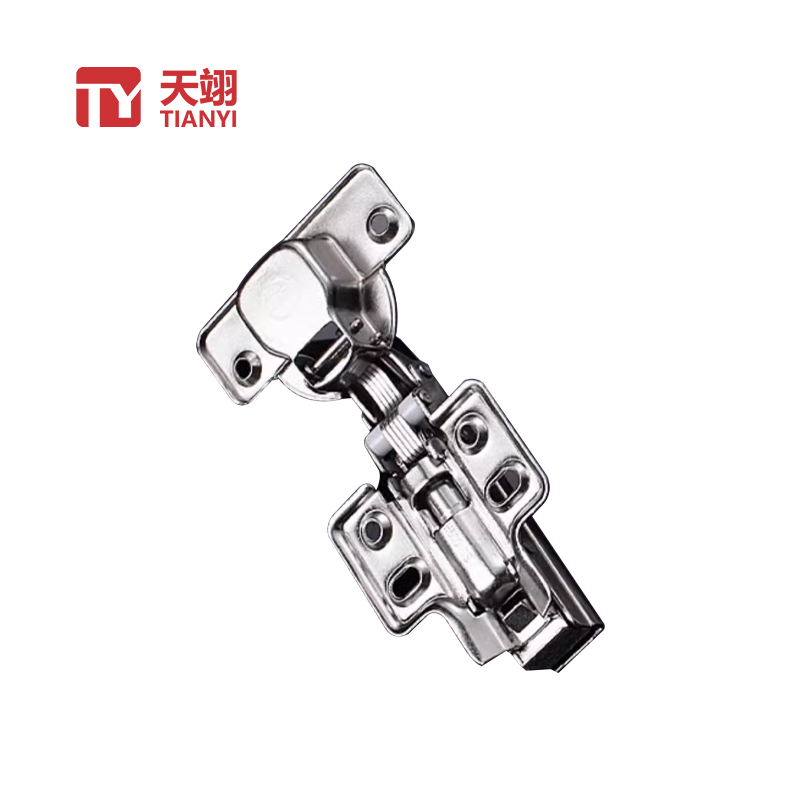
In high-end architectural glazing and contemporary furniture manufacturing, glass door hinges represent one of the most critical mechanical load paths. Unlike wood or composite cabinet leaves where screws anchor directly into porous fibrous substrates, glass is completely non-porous, highly brittle, and susceptible to point-load concentration fractures. Top Chinese manufacturers have advanced beyond simple clamp mechanisms by engineering hydraulic damping, balanced clamping gaskets, and multi-axis kinematics directly into architectural glass hardware.
"Information Gain Observation: Glass door hinge longevity is predominantly determined by the dynamic coefficient of friction inside the clamping jaws and the hydrostatic integrity of the hydraulic damper cartridge under repeated thermal variation cycles."
Metallurgy and Material Selection Criteria
Reliable glass door hardware relies on rigorous metallurgy. Top-tier Chinese factories utilize three primary structural alloys based on mechanical stress requirements and operating environment:
- Austenitic Stainless Steel (AISI 304 & 316): Essential for frameless shower enclosures, wet-room architectural partitions, and coastal luxury installations. AISI 304 delivers exceptional tensile endurance and passes 96-hour neutral salt spray (NSS) testing without pit corrosion. For surgical or marine applications, vacuum-cast AISI 316 provides resistance against localized chloride pitting.
- Cold Rolled High-Tensile Steel (SPCC): Commonly chosen for concealed interior display cabinet hinges, wine cellar showcases, and commercial retail casework. SPCC leaves are precision-stamped and treated with layered copper-nickel-chrome electroplating (minimum 12-15 microns) to prevent atmospheric degradation while delivering optimal spring-back fatigue life.
- Pressure Die-Cast Zinc Alloys (Zamak 3 & Zamak 5): Used for complex hinge cup geometries, decorative clamp covers, and integrated soft-close dampening bodies. Zamak allows zero-draft precision casting, minimizing internal stress voids while supporting complex multi-axis internal oil reservoirs.
Glass Preparation: Bore Holes vs. Non-Bore Clamping Systems
Specifying glass door hinges requires balancing aesthetic demands against mechanical load ratings:
1. Non-Drilling Friction Clamp Hinges: Engineered primarily for lightweight showcase cabinetry and frameless glass partitions where glass thickness ranges between 4mm and 8mm. These designs utilize tempered nylon, vulcanized Neoprene, or food-grade silicone gaskets. Clamping pressure is calibrated using torque-controlled grub screws with nylon tips, preventing direct metal-to-glass contact while achieving shear friction holds sufficient for doors up to 15kg.
2. Bore-Drilled Through-Glass Architectural Hinges: Required for heavy frameless panels, revolving shower portals, and oversized retail glass storefronts (doors exceeding 25kg to 80kg). Glass must undergo CNC waterjet drilling or diamond core milling prior to thermal tempering. Countersunk pass-through stainless sleeves distribute mechanical cantilever forces across the tempered internal matrix, eliminating stress concentrations.
Comparative Engineering Matrix: Glass Hinge Typologies
| Hinge Typology |
Compatible Glass Thickness |
Maximum Load / Pair |
Opening Angle Arc |
Integrated Damping |
Target Sourcing Application |
| Hydraulic Concealed Glass Hinge |
4mm – 6mm |
12 kg – 18 kg |
95° – 105° |
Hydraulic Fluid Core |
Luxury Wine Cabinets, Display Cases |
| Heavy-Duty Pivot Glass Hinge |
8mm – 12mm |
45 kg – 70 kg |
360° Free / 90° Stop |
Pneumatic / Cam Return |
Commercial Glass Portals, Storefronts |
| Frameless Glass-to-Glass Clamp |
6mm – 10mm |
25 kg – 40 kg |
180° In-line / 90° Corner |
Friction Hold / Mechanical Detent |
Showrooms, High-End Enclosures |
| Aluminum Frame Slim Glass Hinge |
4mm (Framed Profile) |
20 kg – 30 kg |
105° – 165° |
Dual-Action Soft Close |
Modern Minimalist Wardrobes, Kitchens |
Technological Evolution in Glass Door Kinematics
Over the last decade, leading Chinese manufacturers have shifted from contract commodity stamping to engineering high-precision kinetic hardware. This shift is driven by automated multi-station cold-heading machines, computerized coordinate measurement machines (CMM), and automated endurance cycle test beds.
1. Hydraulic Cartridge Sealing & Viscosity Calibration
Early hydraulic hinge failures were predominantly caused by oil seal vulcanization failure and fluid leakage. Top manufacturers now implement high-grade fluororubber (FKM) quadruple-lip oil seals paired with micro-honed brass cylinders. The hydraulic damping media consists of high-index synthetic silicone oils that maintain stable kinematic viscosity between -20°C and +60°C. This eliminates the sluggish door closing observed during sub-zero winters and prevents harsh door slamming in high-temperature tropical environments.
2. 3D Micro-Adjustability for Precise Gaps
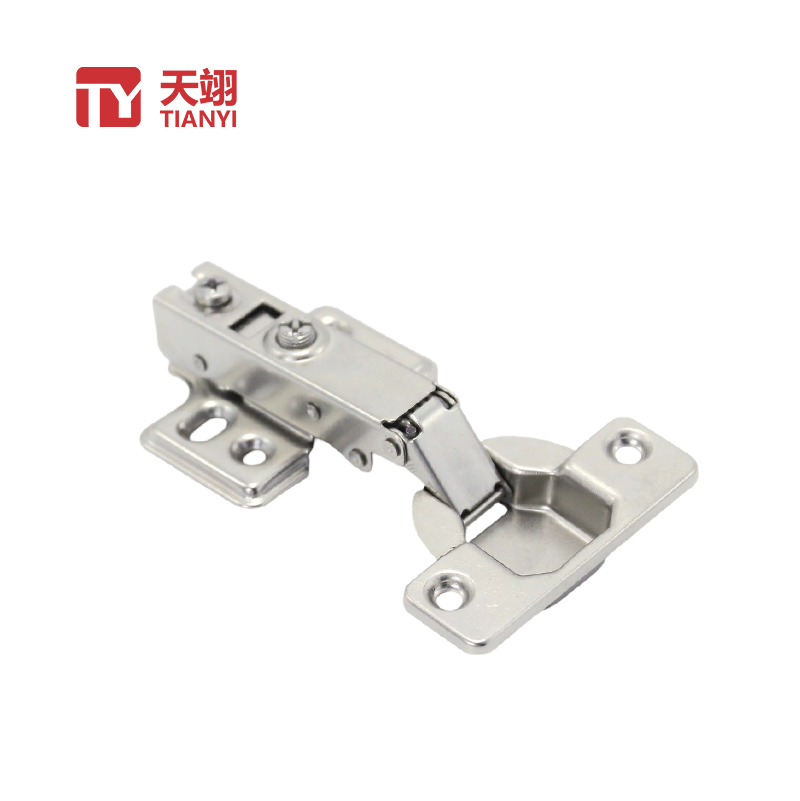
Because glass panels cannot be planed, filed, or altered on-site like timber doors, hinge-level spatial adjustment is mandatory. Modern Chinese concealed glass door hinges feature integrated internal eccentric screw-cam assemblies providing three-dimensional tolerance compensation:
- Vertical Depth (Z-axis): ±2.0mm adjustment via baseplate release mechanism to align door planes.
- Horizontal Lateral Overlay (X-axis): +1.0mm / -2.0mm cam screw travel to tune parallel spacing between adjacent panels.
- Front-to-Back Gap (Y-axis): ±1.5mm to calibrate sealing gasket compression and soundproofing dampening pads.
3. Minimalist Concealed Pivot Mechanics
The contemporary architectural aesthetic demands zero visible hardware. Chinese R&D hubs have responded by creating ultra-slim top-and-bottom concealed pivot mechanisms that recess entirely into the cabinet carcase or the floor/ceiling slab. The glass leaf requires only minimal low-profile corner notch cuts, maximizing transparent glass expanses while supporting up to 60,000 continuous opening-closing cycles under full mechanical payload.
Future Procurement Trends in the Glass Hardware Sector
Procurement directors and commercial hardware buyers must structure their long-term supply agreements around evolving design trends, material regulations, and supply chain dynamics. Sourcing from top Chinese manufacturers requires identifying structural market shifts before they affect consumer-side demand.
01
PVD Dark Architectural Finishes
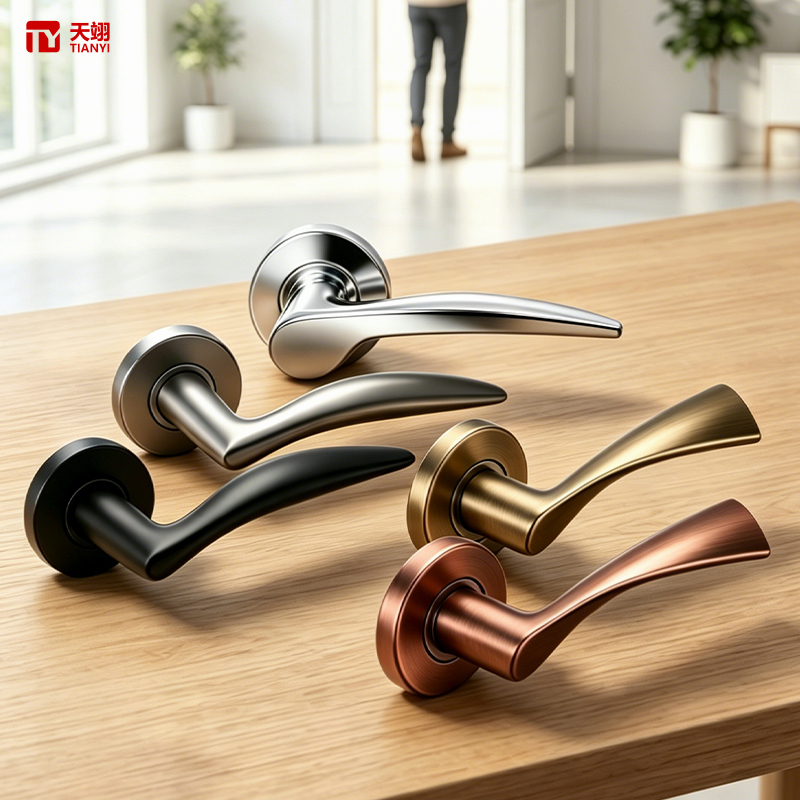
Traditional high-gloss chrome is increasingly being replaced by Physical Vapor Deposition (PVD) titanium coatings. Matte Obsidian Black, Brushed Gunmetal, and Champagne Bronze offer surface hardness exceeding 2000 HV, providing extreme scratch resistance for modern frameless glass doors.
02
Glass-Integrated Slim Aluminum Systems
Architects are adopting ultra-narrow 18mm to 20mm anodized aluminum frame extrusions with inset glass panels. Hinges must mount directly into the aluminum extrusion profile via micro-screws, demanding specialized low-profile mounting geometry and precise hydraulic damping.
03
RoHS & REACH Metallurgical Compliance
European and North American regulatory frameworks mandate strict thresholds on hexavalent chromium and lead content in brass and zinc alloys. Sourcing programs must partner with Chinese factories utilizing certified eco-friendly electrolytic passivation and lead-free alloys.
Standard Quality Control & Verification Procedures
Ensuring consistency across high-volume production runs requires working with factories that operate rigorous three-stage quality control (QC) frameworks:
1. Incoming Quality Control (IQC)
Raw steel coils, extruded aluminum bars, and virgin zinc alloy ingots undergo optical emission spectroscopy (OES) upon receipt to verify alloy composition. Cold rolled steel tensile parameters and hardness ratings (Rockwell B scale) are benchmarked before feeding automated multi-stage progressive stamping presses.
2. In-Process Quality Control (IPQC)
Automated punch presses are audited hourly for tooling wear. Microscopic plating thickness audits verify that nickel and chromium coatings meet minimum target thresholds. Damper cartridge assemblies undergo continuous pressure-drop testing to catch micro-leaks before final robotic crimping.
3. Final Quality Control (FQC) & Outgoing Assurance
Randomized lot sampling adheres to ANSI/ASQ Z1.4 (ISO 2859-1) Level II standard inspection tables. Finished hinges undergo destructive cycle endurance testing on pneumatic automated test rigs under simulated door weights, tracking damping deceleration curves, torque stability, and structural play across 50,000 to 100,000 duty cycles.