500,000+
Fatigue Cycles Tested
50+
Partner Manufacturing Hubs
48 Hours
Neutral Salt Spray Verified
4.8 / 5.0
Verified Importer Rating
Precision Architecture
Engineered Hardware & Integrated Systems Showcase
Explore our verified architectural hinges, dynamic drawer solutions, and functional kitchen space-planning hardware designed for volume furniture producers and contract architectural exporters.
Technical Authority Report
Engineering Principles of Concealed Mechanical Door Hinges in High-Duty Applications
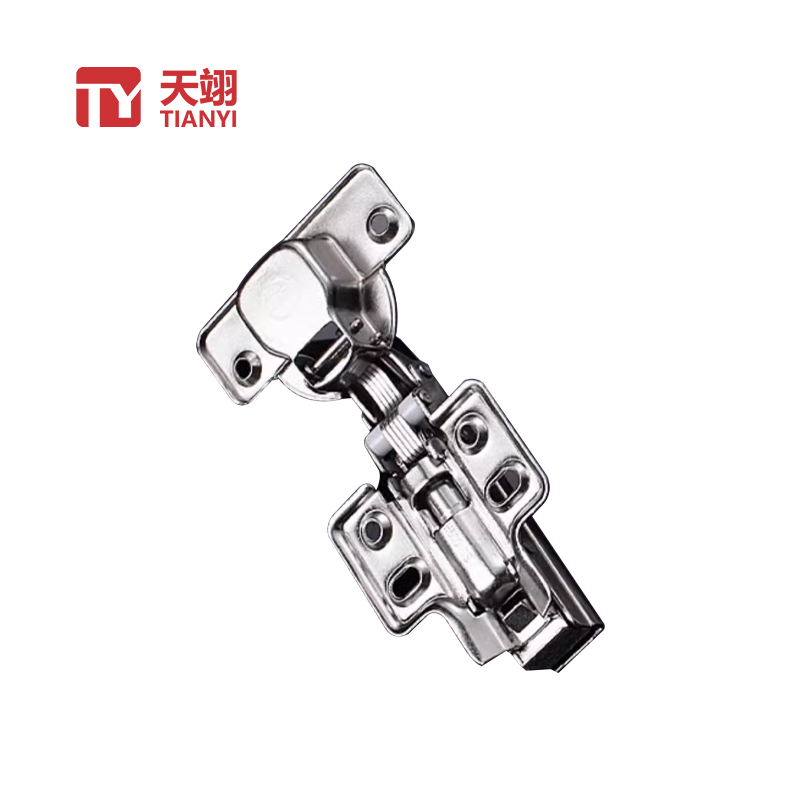
Modern architectural millwork and mass-scale residential casegoods demand precision kinematics at the hinge interface. In high-frequency operational environments—such as modular institutional cabinetry, commercial hotel furniture, and luxury multi-family developments—the concealed furniture door hinge operates not merely as a pivot, but as a calibrated energy dissipator. The transition from legacy, unregulated friction knuckle hinges to four-bar or six-bar link concealed kinematic mechanisms featuring internal hydraulic shock absorbers has transformed residential acoustics, panel alignment longevity, and ergonomic interaction.
From a metallurgy standpoint, quality OEM/ODM production pivots on the structural density and tensile limits of Cold-Rolled Steel (SPCC), zinc alloy formulations (ZAMAK-3/ZAMAK-5), and austenitic SUS304 Stainless Steel. Premium cold-rolled steel hinge arms undergo progressive multi-stage stamping to preserve crystal grain flow, preventing stress cracks along stress-concentrated bends. Furthermore, surface galvanic treatments determine environmental resistance in tropical and high-humidity environments. Commercial European standard testing specifies a minimum thickness of copper underplating (5–8 μm) sealed by dual-layer electroplated nickel (10–15 μm), delivering verified corrosion resistance through neutral salt spray (NSS) test cycles in excess of 48 to 96 hours without signs of red rust.
Kinematic Stability: Hydraulic Damping & 3D Cam Calibration
The core failure modality of entry-grade concealed hinges resides within the hydraulic piston capsule. Inferior assemblies frequently suffer from hydraulic fluid cavitation, seal embrittlement, and internal spring degradation, yielding erratic closing speeds or terminal fluid leakage that destroys surrounding wooden substrates. In our specialized manufacturing lines, hydraulic damper cylinders are enclosed in precision brass or hardened steel housings sealed with high-grade synthetic fluoroelastomer O-rings, charged with aerospace-grade synthetic damping fluid characterized by exceptional kinematic viscosity thermal stability across -15°C to 50°C.
Moreover, the integration of 3D eccentric cam adjustment systems has evolved into an indispensable technical baseline for production efficiency. Cabinet door deflection stemming from transit vibrations, humidity-driven substrate expansion, or field framing deviations requires rapid, non-destructive realignment. Independent cam mechanisms embedded within the mounting plate and hinge arm furnish three-dimensional freedom: ±2.5mm vertical travel, ±2.0mm lateral overlay adjustment, and ±2.0mm depth clearance. This enables automated pre-hanging operations during factory assembly while significantly reducing field installation labor expenditures for contract developers.
| Evaluation Parameter | Standard Commercial Grade | Export Contract Grade (Wudi OEM) | Testing & Compliance Protocol |
|---|---|---|---|
| Base Structural Alloy | Commercial Scrap Steel (0.8–1.0mm) | Deep-Drawing Cold-Rolled SPCC (1.2–1.5mm) | Spectrometric Material Assay (GB/T 700) |
| Corrosion Resistance | Single Nickel Flash (NSS < 16 hrs) | Multi-Layer Cu-Ni Plating (NSS 48–96 hrs) | ASTM B117 / ISO 9227 Salt Spray Chamber |
| Damping Mechanism | Elastomeric Buffer / Low-grade Seal | Hermetic Brass Hydraulic Cylinder + Synth Fluid | DIN EN 15570 Level 3 Dynamic Endurance |
| Operational Lifecycle | 15,000 to 25,000 open/close cycles | 50,000 to 80,000 dynamic verified cycles | EN 15570:2008 Functional Longevity Testing |
| Adjustability Matrix | Manual slotted screw alignment | Integral Spiral Cam 3D Adjustment Screws | Vibration Resistance & Deflection Testing |
Sourcing Dynamics & Global Supply Chain Optimization
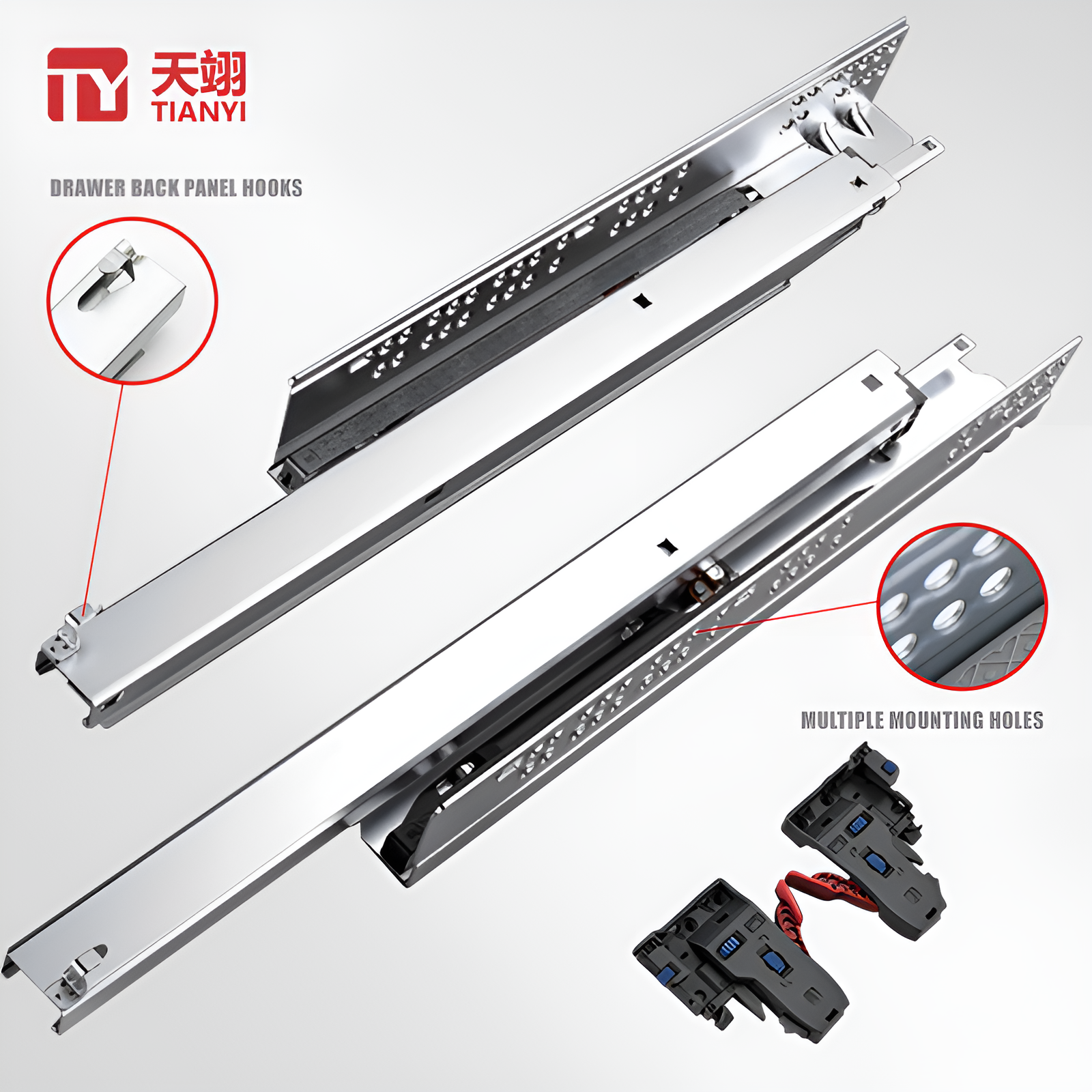
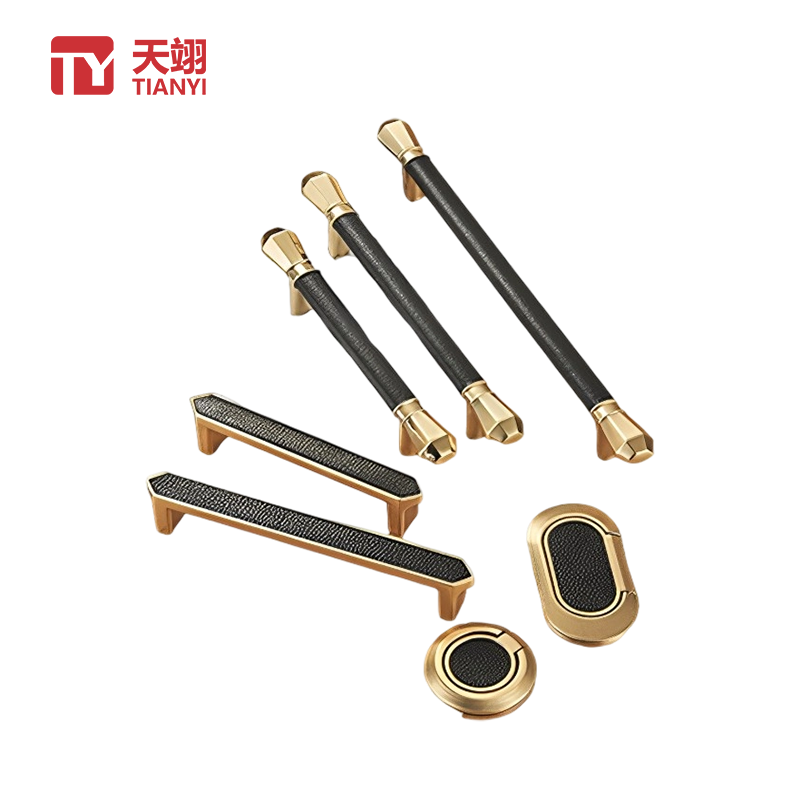
B2B furniture hardware procurement is moving away from fragmented, single-category sourcing toward integrated, full-program fulfillment. For international importers, kitchen manufacturers, and commercial millwork distributors, managing discrete suppliers for concealed hinges, synchronous undermount slides, wire kitchen storage baskets, and interior closet accessories generates steep logistics overhead, inconsistent nickel/brass galvanic finishes, and compounding delivery delays. Through centralizing supply chain architecture around audited export centers like Xiamen, enterprise buyers achieve tight color matching across diverse product groups (such as coordinating dark bronze hinges with slim metal drawer sides and aluminum pull handles) while optimizing container payload efficiency via consolidated DDP shipments.
Macro Analysis
Future Procurement & Product Evolution Trends
Anticipate market-disrupting shifts across cabinetry hardware to align your forward stocking strategy with evolving builder specifications and commercial consumer expectations.
1. Minimalist Ultra-Concealed Hardware
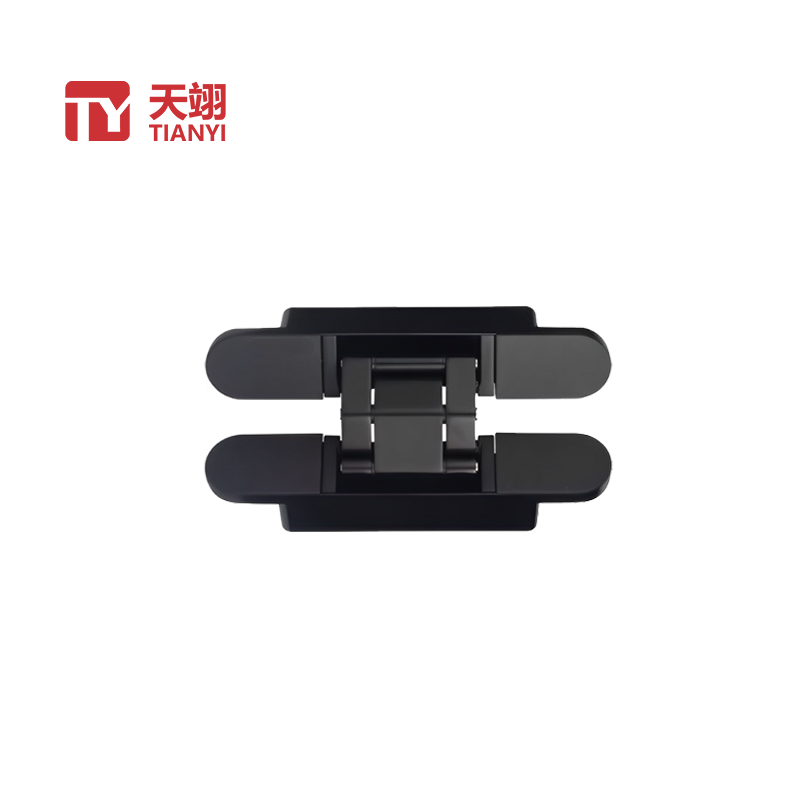
Architectural interior design is driving cabinetry toward frameless facades with tight 1.5mm reveal margins. This has prompted surging global demand for low-depth, 180° swing flush hinges and integrated profile-concealed systems that sit entirely within the door panel thickness without visible cup protruding mounts.
2. Dark Matte Finishes & Nano-PVD Coatings
Satin nickel dominance is giving ground to titanium black, volcanic graphite, and warm brushed brass coatings. In kitchen environments prone to cooking vapors and aggressive cleaning chemicals, buyers increasingly prioritize multi-layer PVD and electrophoretic matte coats capable of resisting finger acids and micro-abrasions.
3. Hybrid Damped Push-to-Open Mechanics
Handle-less architectural cabinetry requires hardware that marries mechanical ejection with silent hydraulic buffering upon closing. Engineering modern concealed hinges with calibrated dual-action spring arrays ensures effortless click-opening while guaranteeing controlled, unassisted deceleration without secondary bouncing.
Proven Manufacturing Partner
Enterprise Capabilities & OEM/ODM Excellence
Headquartered in the global logistics gateway of Xiamen, Xiamen Wudi Hardware Products Co., Ltd. deploys a structured supply model engineered specifically for international trade compliance, technical quality assurance, and mixed-line aggregation.
Intertek Onsite Checked
Our operations, physical production lines, documentation transparency, and corporate legitimacy are audited and verified by Intertek testing authorities, giving corporate procurement directors complete risk insulation.
50+ Dedicated Production Lines
Rather than constraining buyers to an individual workshop's tooling limitations, our managed manufacturing ecosystem incorporates over 50 audited facilities equipped with automated high-speed stamping and multi-stage testing setups.
Custom OEM/ODM Calibration
Comprehensive custom engineering capabilities: from customer logo laser etching, bespoke master carton packaging, and custom surface plating to application-specific hydraulic damping force configuration and customized cup screw patterns.
Single-Point Full Consolidation
Unify multi-category hardware orders in a single container. Mix 35mm concealed hinges, heavy-duty 200kg industrial slides, stainless steel sinks, and wardrobe pull-outs under a single bill of lading with door-to-door DDP logistics clearance.
Knowledge Base
Frequently Asked Questions for Sourcing Directors
Clear, direct answers regarding production capacity, technical quality standards, testing parameters, and international transactional policies.
What is the minimum order quantity (MOQ) for OEM/ODM hardware orders?
Our standard off-the-shelf program models—including our core 105° and 165° hydraulic concealed cabinet hinges—maintain flexible minimum trial requirements starting as low as 44 to 100 pieces for standard finishes. For custom brand logo stamping, dedicated retail barcoding, or customized surface colorways (such as matte black or titanium graphite), our standard factory production run begins at 1,000 pieces per SKU. Full container load (FCL) buyers are supported with flexible item consolidation across hinges, slide rails, and wire baskets.
How does Wudi Hardware verify hydraulic cylinder reliability and prevent oil leakage?
Every batch of hydraulic dampers undergoes automated vacuum-pressure leak testing prior to hinge assembly. Random samples from each assembly cycle are subsequently loaded into dynamic mechanical endurance testers operating in accordance with DIN EN 15570 Level 3, completing 50,000 to 80,000 open-close strokes at controlled speeds. Furthermore, our sealed dampers use industrial synthetic damping oil with wide viscosity thermal indexes (-15°C to 50°C) to prevent damper failure during extreme intercontinental maritime shipping or varying indoor climates.
Can our procurement team combine multiple disparate product categories in a single shipment?
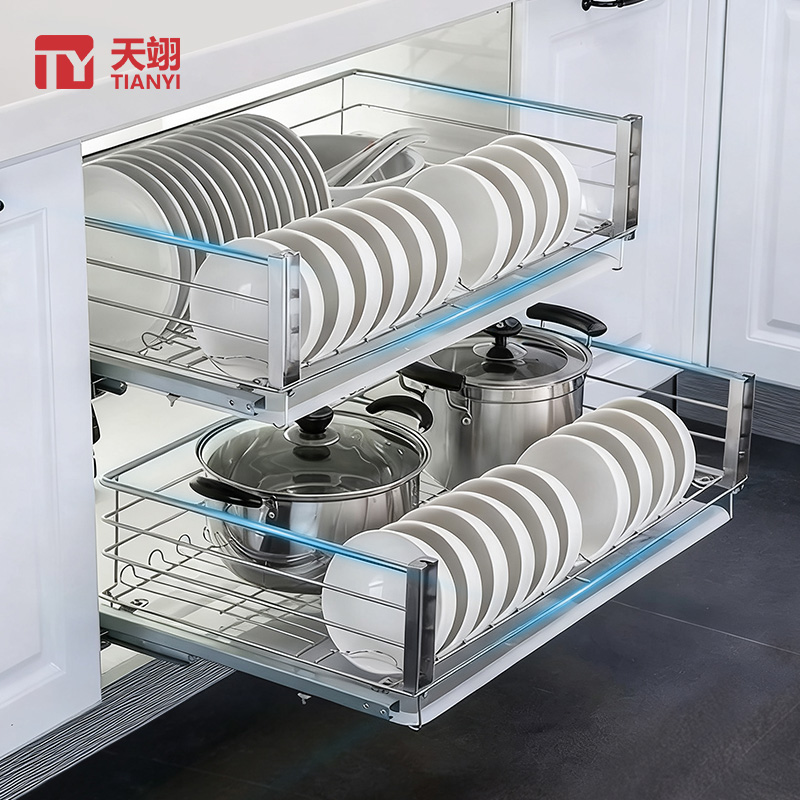
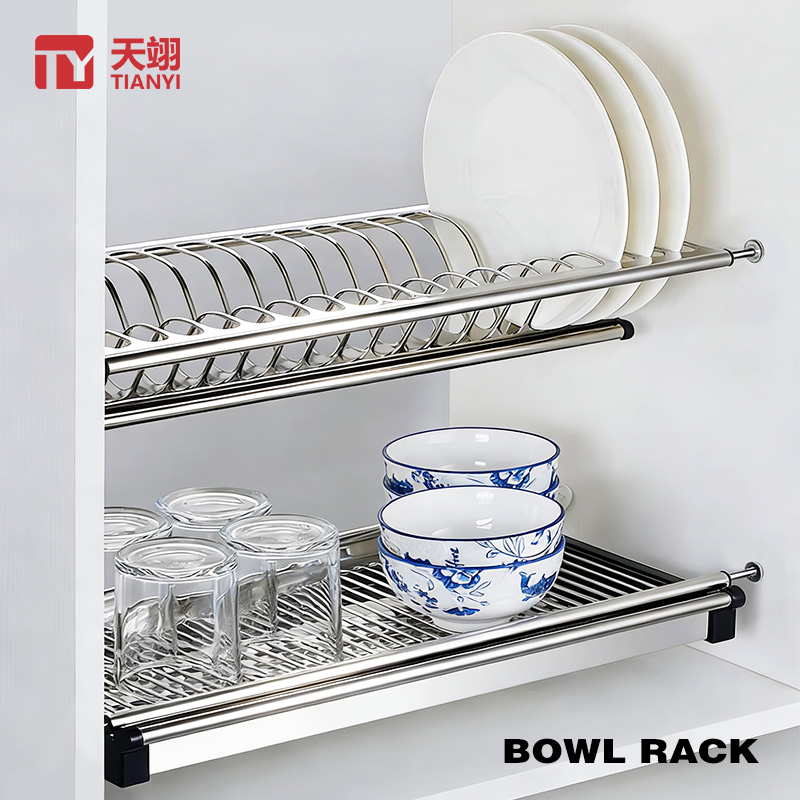
Yes. Consolidating orders across different factories is one of our primary enterprise advantages. Importers frequently face severe logistical friction and high port fees attempting to coordinate separate LCL shipments for hinges, undermount slides, pull-down kitchen racks, and handmade stainless steel sinks. Through our centralized logistics hub in Xiamen, we stage, inspect, palletize, and containerize full mixed loads under one unified export declaration and commercial invoice, offering comprehensive FOB or turnkey DDP terms directly to your distribution center.
What third-party testing reports and compliance certificates are provided?
Xiamen Wudi Hardware Products Co., Ltd. is verified through Intertek onsite assessments. In addition, our primary product categories conform to European CE directives, with select lines backed by documented DIN EN 15570, EN 15338, and ASTM B117 salt spray testing credentials. Certified raw material mill test certificates confirming Grade 304 stainless steel or certified cold-rolled SPCC carbon composition can be furnished along with pre-shipment photographic quality assurance dossiers.
What is the typical sampling and mass production lead time?
Standard specification samples are dispatched via express courier within 24 to 48 hours for mechanical evaluation and fit testing. For bespoke OEM tooling, custom cup depths, or private branded tooling plates, CAD approval and prototype sampling generally require 10 to 14 business days. Following final sample sign-off, standard bulk manufacturing lead times run between 20 and 30 days, contingent on order volume and custom finish specifications.
Initiate Your Contract Hardware Procurement Program
Whether you require standard 105° soft-close hinges, heavy-duty 180° concealed hardware, or complete multi-category container consolidation, our technical sales engineers will reply with accurate quotations, 3D drawings, and sampling timelines within 24 hours.