Featured OEM/ODM Production Assemblies
Direct supply line integration featuring hydraulic concealed hinges, pull-out storage mechanics, and high-durability commercial locking sets engineered for international export.
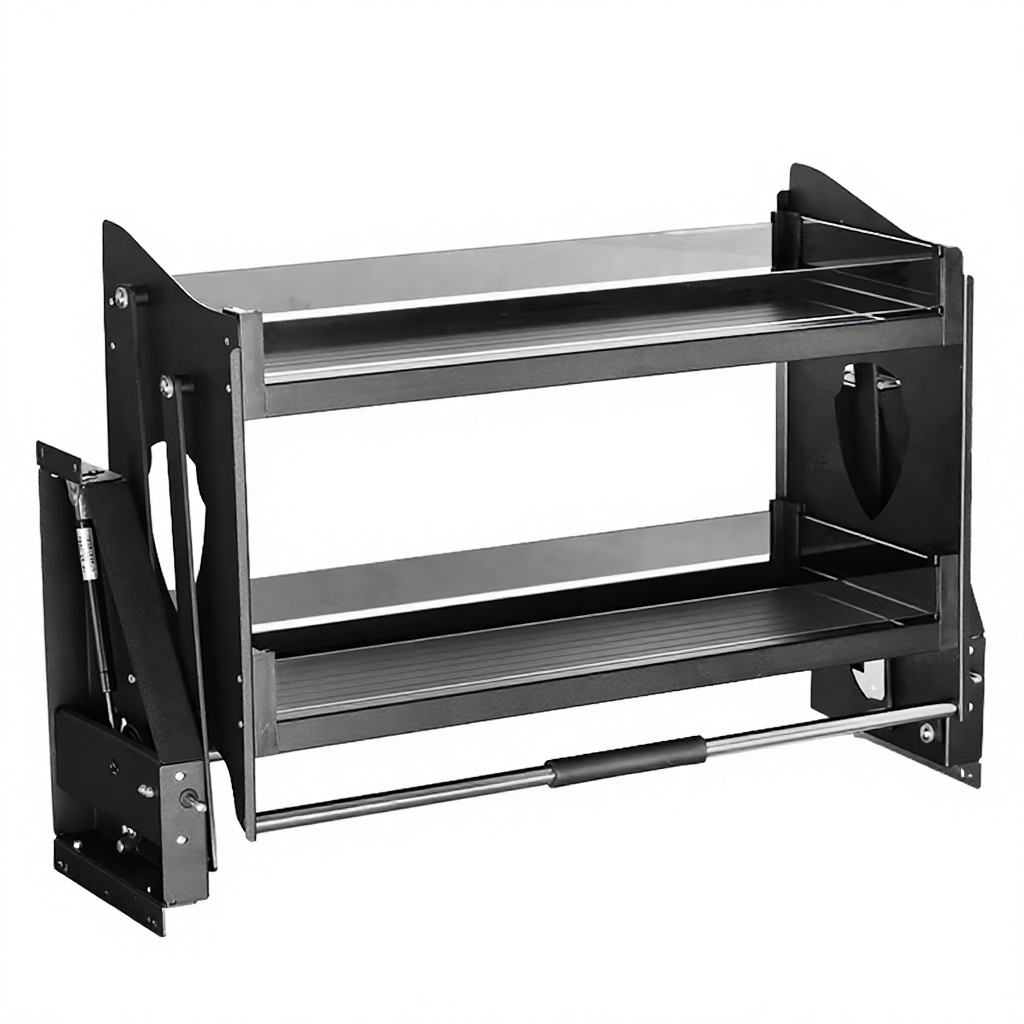
Modern Pull Down Kitchen Cabinet Spice Basket Removable Carbon Steel Aluminum Glass Organizer for Hotel
App: Commercial Hotel & Kitchen Cabinets
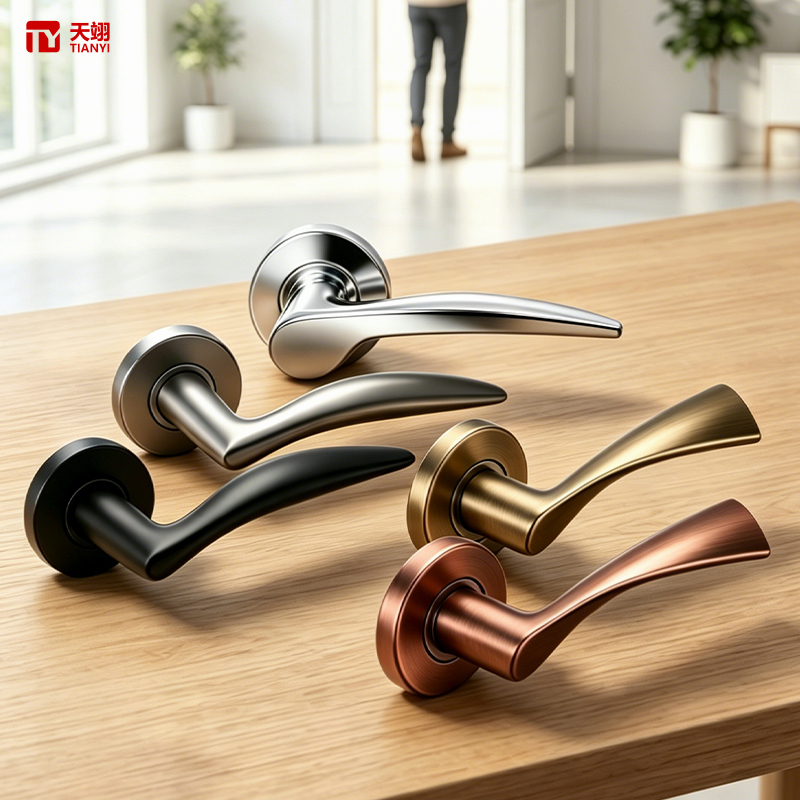
Stainless Steel Privacy Door Lock Set Zinc Alloy Lever Handle 90 Degree Rotation for Home Hotel Office Bathroom
Mat: SUS304 / Zinc Alloy Core
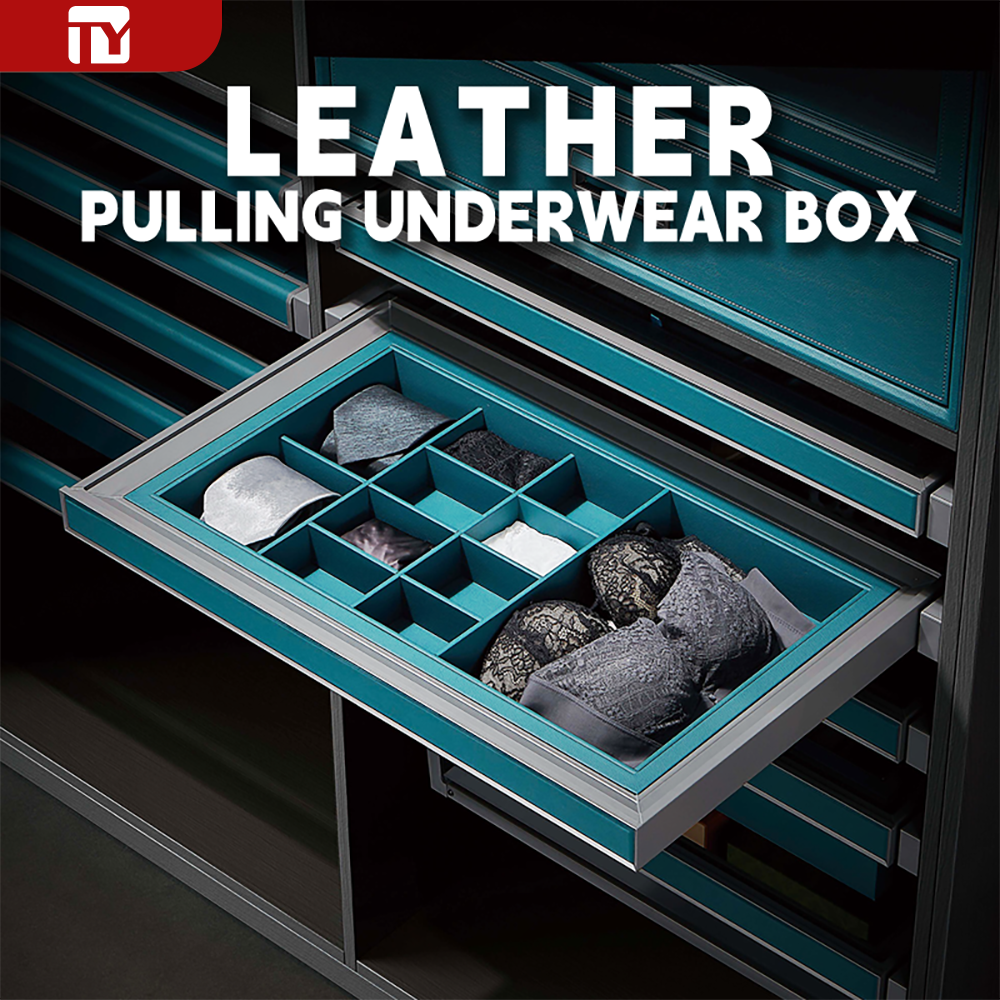
Aluminum Alloy Pull Out Underwear Storage Box Compartment Drawer Organizer Foldable Closet Accessory
Profile: Space-Grade Extruded Alloy
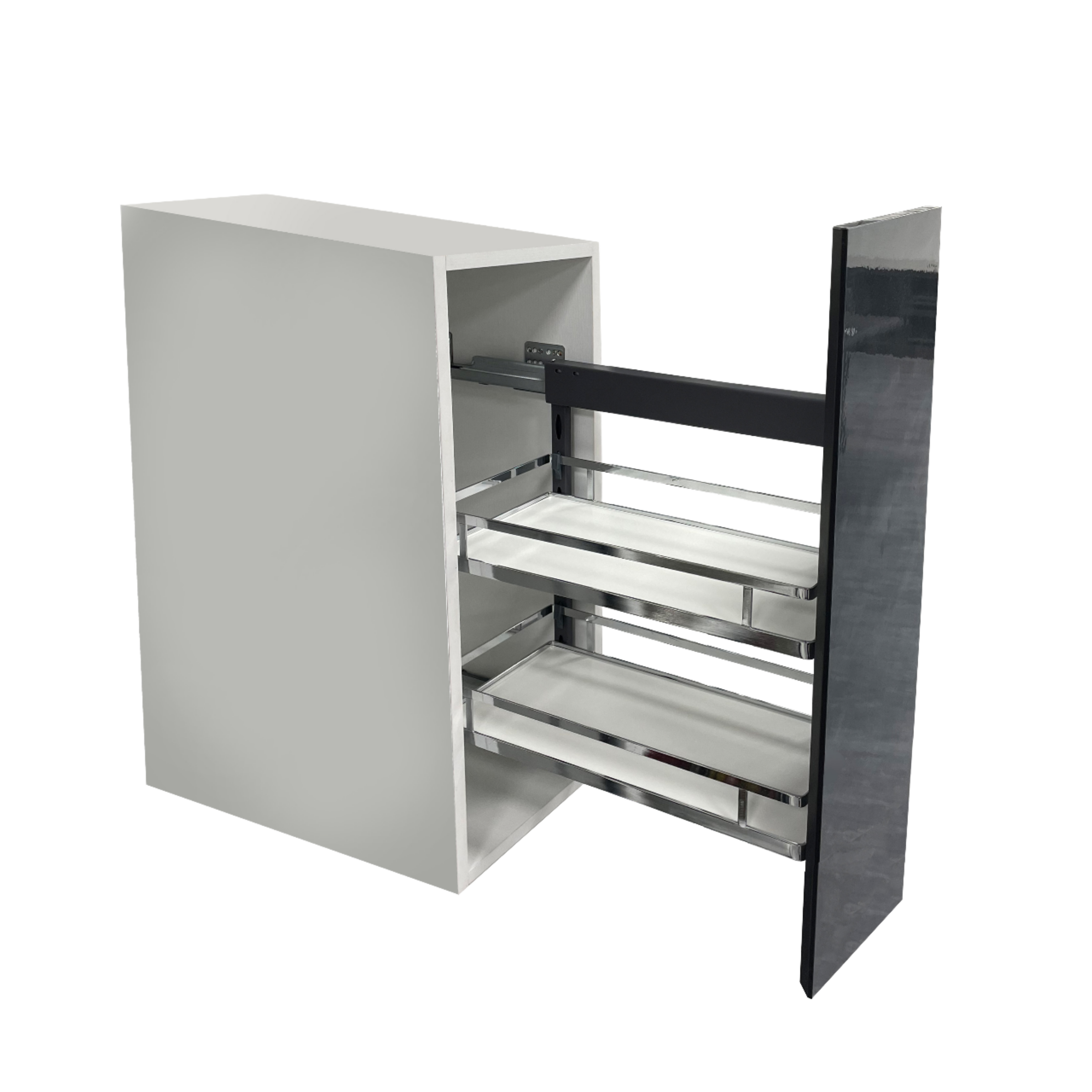
Double Tier Chrome Pull-Out Cabinet Basket Sliding Kitchen Pantry Organizer Two Shelf Storage Rack
Load: Heavy-Duty Dynamic Rating
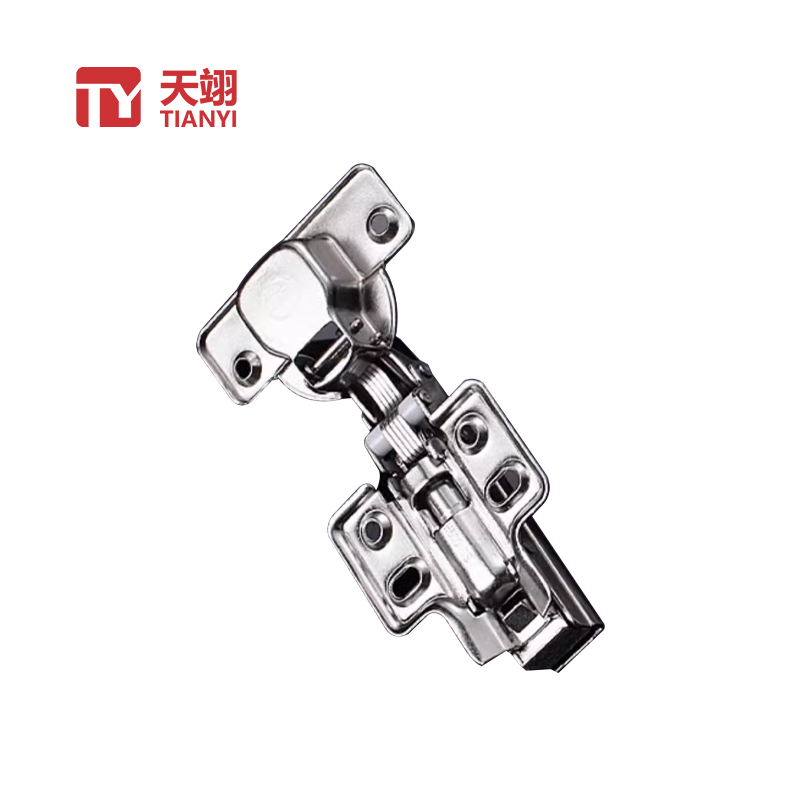
Hydraulic Soft Close Furniture Hinge 105 Degree 35mm Cup Cold Rolled Steel Nickel Plated Cabinet Door Hardware
Cup: 35mm Boring / 105° Open
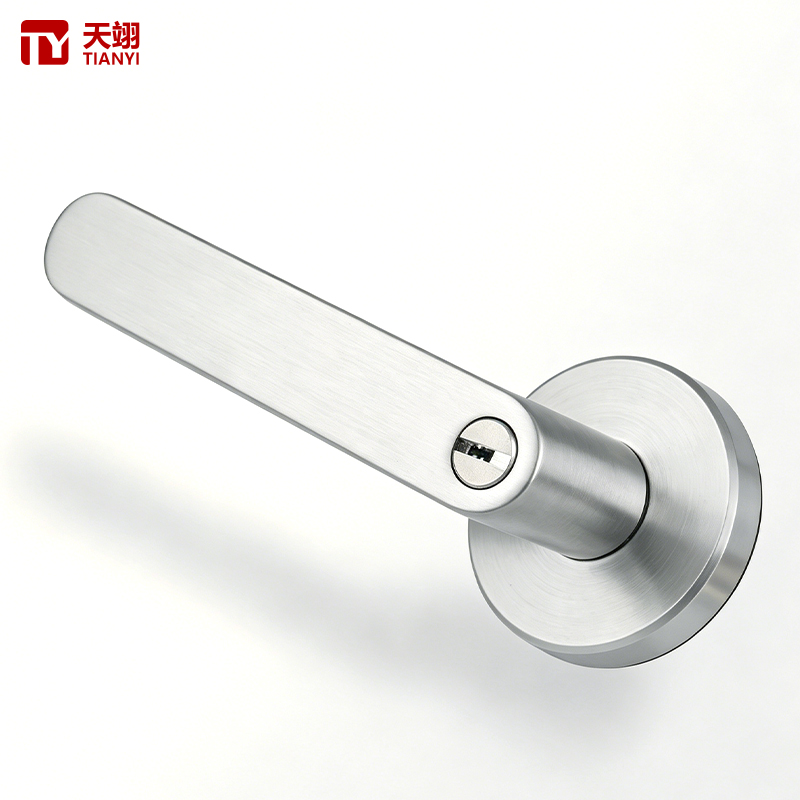
TIANYI Brushed Stainless Steel Lever Lockset Round Rosette Tubular Door Handle Metal Key for Interior Wooden Doors
Finish: Satin Brushed Anti-Wear
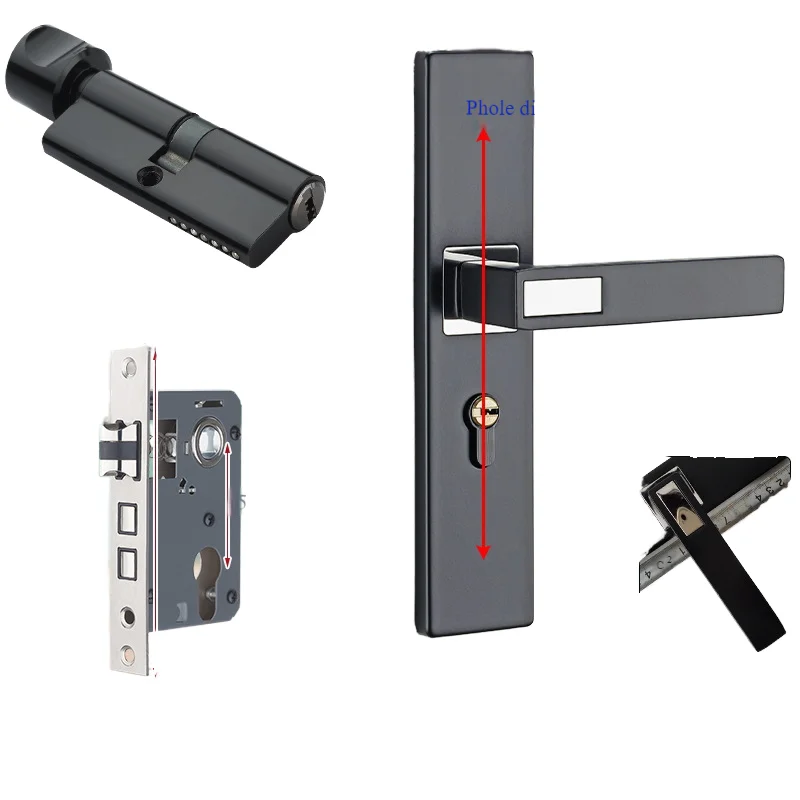
Black Aluminum Furniture Lock Set Regular Key Door Lock 40 x 250 MM for School Office Apartment
Finish: Anodized Matte Black
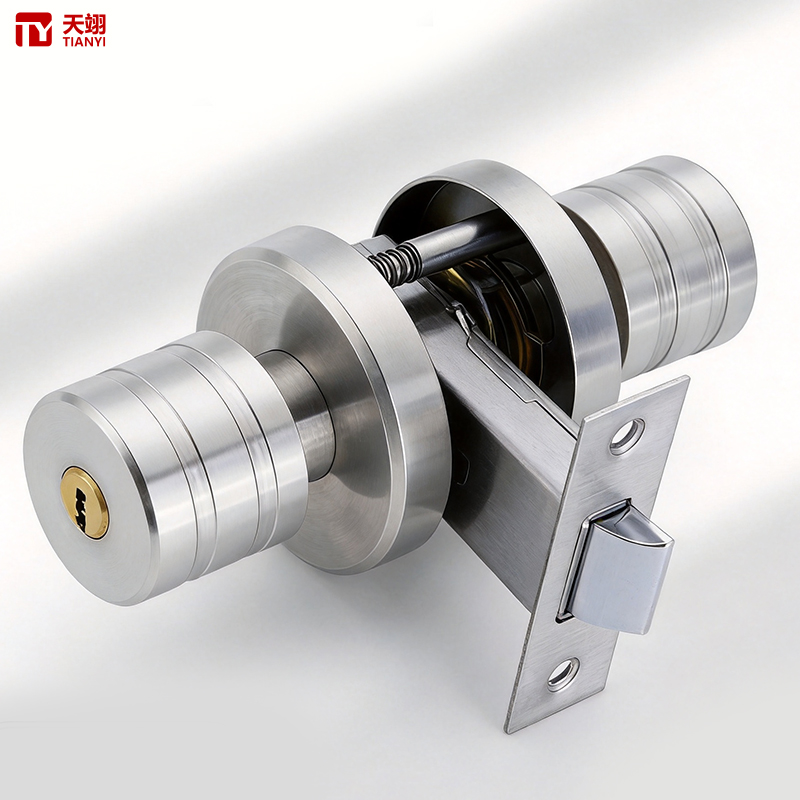
Stainless Steel 304 Round Door Knob Lock Mechanical Keyed Latch Lockset Silver for Office Room
Latch: Adjustable 60/70mm Backset
The Kinematic and Hydraulic Physics of Soft-Closing Concealed Hinges
Modern architectural cabinetry demands uncompromising mechanical consistency. A soft-closing hinge is not merely a stamped assembly of cold-rolled plates; it is an integrated hydraulic dissipation instrument designed to convert kinetic momentum into laminar fluid shear without rebound oscillation. Within high-volume OEM/ODM manufacturing, the core competitive advantage is determined by the hydraulic damping chamber.
Unlike entry-level pneumatic dampers that suffer from compressed-air cavitation and pneumatic seal dry-out, our contract-manufactured soft-closing systems utilize high-viscosity aviation silicone damping fluids (ranging from 100,000 to 300,000 cSt). The fluid is encased inside a cold-drawn, micro-honed brass or hardened copper cylinder, sealed by dual-lip fluororubber (FKM) O-rings. When a cabinet door swings into its closing deceleration arc—typically engaging between 15° and 25° of terminal travel—an internal eccentric piston forces fluid across micro-metered laminar bypass ports.
Technical Information Gain: Temperature fluctuations pose the single greatest failure vector for damping assemblies. Standard silicone oils undergo viscosity collapse at +40°C and crystalize below -10°C, causing doors to slam in summer or stall open in winter. Our OEM dampers utilize viscosity-index-stabilized synthetic siloxanes guaranteeing stable 2.5-second to 4.0-second soft-close cycles across an ambient envelope of -15°C to +50°C.
The structural geometry is configured around multi-link kinematics. Incorporating 4-bar or 6-bar hardened pin links (utilizing Q235B or heat-treated manganese spring steels), the hinge arm maintains absolute alignment through dynamic loading. Precision engineering prevents sagging over time, ensuring the 35mm hinge cup maintains perpendicularity relative to the door face even under cyclical door weights up to 15 kg per hinge pair.
B2B Procurement Specification Matrix: Engineering Grades
Importers, custom millwork contractors, and cabinet brands must align raw material grade, surface treatment, and arm geometry to target residential and commercial environments:
| Hinge Configuration | Base Alloy & Heat Treatment | Plating / Surface Standard | Opening Angle & Bore | Target Deployment |
|---|---|---|---|---|
| Standard Clip-On 3D | Cold-Rolled SPCC Steel (1.2mm/1.5mm) | Multi-layer Cu/Ni (8-12μm) | 105° (35mm Cup, 11.5mm depth) | High-Volume Kitchen Cabinetry |
| Marine/Coastal SUS304 | Austenitic Stainless Steel (SUS304) | Passivated Electropolished | 105° - 110° Full Overlay | Bathrooms, Yachts, Coastal Villas |
| Zero-Protrusion Corner | Heat-Treated Manganese Steel Core | Titanium PVD / Nano-Black | 165° Wide-Angle (35mm cup) | Internal Pull-Out Drawer Clearance |
| Heavy-Duty Commercial | Reinforced 2.0mm Cold-Rolled Carbon | Double Nickel Plated (NSS 96h) | 95° - 105° Inset/Half Overlay | Commercial Hotel & Clinic Joinery |
A critical specification parameter is 3D eccentric adjustment capability. Factory-installed clip-on base plates feature eccentric spiral cams enabling instantaneous site adjustments: vertical (±2mm), horizontal/overlay (±2.5mm), and depth (±2mm) without loosening retaining chassis screws. This eliminates cabinet face misalignment caused by seasonal wood expansion or on-site framing deflection.
Future Global Sourcing & Procurement Trends
Strategic procurement directors are shifting away from fragmented component buying toward integrated multi-category hardware consolidation and standardized technical platforms.
SKU & Container Consolidation
Global logistics volatility requires B2B buyers to abandon single-item supplier models. Importers now consolidate hydraulic hinges, undermount soft-close slides, wire pull-out pantries, and architectural locks in single 40ft HQ containers to optimize duty tariffs, decrease demurrage, and lower landed unit costs.
- Single-origin customs export clearance
- Zero container volume deadweight
- Synchronized production lead-times
Stringent Surface & RoHS Mandates
Global regulatory frameworks (EU RoHS, REACH, and California Proposition 65) demand total exclusion of hexavalent chromium (Cr6+) in electroplating baths. Sourcing departments are establishing strict chemical compliance audits, mandating trivalent chromium passivation and high-thickness eco-plating chemistries.
- Cr3+ non-toxic eco-plating standards
- ASTM B117 neutral salt spray verification
- Zero volatile organic release from damper oil
Tier-1 Certification Verification
Unverified supplier claims are no longer accepted by institutional procurement teams. Buyers demand on-site third-party factory verifications (such as Intertek or TÜV Rheinland factory surveillance audits) and documented EN 15570 Level 3 mechanical endurance certifications prior to releasing PO deposits.
- Intertek on-site audited manufacturing lines
- CE technical file availability per category
- Digital mill test certificates (MTC)
Technological Innovation: What Defines Next-Generation Cabinet Hardware?
The global furniture and architectural fittings market is moving rapidly beyond generic stamped hardware. In 2025 and beyond, OEM/ODM competitive advantage centers on four mechanical frontiers:
1. Integrated Two-Way Damping Kinematics: Traditional soft-close hinges initiate damping abruptly or allow free-swinging momentum that feels unweighted until the final strike. Next-generation two-way soft-closing designs introduce progressive hydraulic resistance: gentle resistance throughout opening (preventing door slam against neighboring walls or appliances) and seamless catch-and-draw closing beginning at 15°, eliminating the dreaded "door bounce" phenomenon entirely.
2. PVD and Micro-Ceramic Surface Architecture: The rise of contemporary minimalist interiors featuring dark walnut, carbon oak, and fluted matte acrylics has rendered classic bright nickel obsolete in upscale projects. Factories are adopting Physical Vapor Deposition (PVD) and titanium micro-ion plating. These treatments deposit 0.5–1.0 micron titanium-carbon films over cold-rolled steel, achieving deep matte black, graphite, and champagne finishes with four times the scratch resistance of conventional electrodeposition.
3. Micro-Piston Miniaturization & Slim Hinge Geometry: As frameless cabinetry and ultra-thin profile doors (down to 12mm–14mm thickness) gain global market share, standard 11.5mm–12.5mm cup depths fail to clear the outer veneer. Advanced OEM tooling allows 8.5mm low-profile cup stamping alongside internally miniaturized concentric hydraulic dampers that preserve full 100,000-cycle kinetic absorption within a drastically reduced volume envelope.
Enterprise Sourcing Advantages & Manufacturing Ecosystem
Xiamen Wudi Hardware Products Co., Ltd. delivers verified engineering oversight, multi-factory manufacturing integration, and turnkey global door-to-door delivery logistics.
50+ Partner Factories Under Unified QA
Rather than constraining projects to the capacity of a single localized workshop, we operate an integrated supply matrix across 50+ specialized partner facilities equipped with automated multi-station progressive stamping and robotic assembly. We match each procurement line—from mass-volume 105° hinges to precision pull-down wardrobe lifts—to the optimal production line while enforcing unified ISO-level QA.
- Verified 680㎡ technical administration and testing floor
- Intertek on-site verified manufacturer status
- 7+ years dedicated hardware export experience
Rigorous 3-Tier Quality Control Protocols
Zero-defect export delivery is guaranteed through our proprietary Three-Tier Quality Gate system. Raw materials undergo spectroscopic chemical verification at the IQC stage; progressive stamping dimensions and plating thickness are monitored by in-line IPQC; and final assemblies undergo 100% pneumatic testing for seal hermeticity, opening torque, and cosmetic finish before packaging.
- In-house neutral salt spray corrosion chambers
- Automated mechanical fatigue cycle test rigs
- Detailed pre-shipment photographic inspection files
Full OEM / ODM Mechanical Customization
We translate customer technical drawings, CAD models, and competitor physical samples into industrialized tooling solutions. Whether you require customized hinge damping force (12N to 35N curve calibration), custom laser logo engraving on the hinge arm, customized baseplate hole pitches (32mm / 45mm / 48mm), or bespoke retail polybag and box packaging, our engineering desk manages the workflow end-to-end.
- Rapid 3D CAD modeling and prototype stamping
- Custom damping curve tuning for ultra-heavy panels
- Private-label barcode & packaging design fulfillment
Turnkey DDP Consolidation & Flexible Terms
Navigating global ocean freight, customs tariff classifications, and demurrage risks can be daunting. We offer comprehensive Delivered Duty Paid (DDP) shipping solutions across North America, Europe, Oceania, and the Middle East. Consolidate your concealed hinges, drawer runners, kitchen sink basins, and closet accessories into unified consignments with single-invoice simplicity.
- Flexible payment terms: T/T, L/C, D/P, D/A, PayPal
- Direct container staging at Xiamen Port
- Bilingual technical support with 24h response guarantee
Frequently Asked Technical & Sourcing Questions
Critical engineering considerations, testing standards, and commercial frameworks addressed by our technical hardware directors.
What engineering standards govern dynamic cycle testing for your soft-close hinges?
Our OEM soft-closing concealed hinges are engineered and batch-tested in accordance with EN 15570:2008 (Hardware for furniture - Strength and durability of hinges and their components) Level 3, as well as ANSI/BHMA A156.9 Grade 1 standards.
Testing involves mounting hinges onto standard particleboard doors with an eccentric vertical load test (simulating real-world door sag over 100,000 opening and closing cycles at an acceleration speed of 20 cycles per minute). A passing unit must demonstrate zero structural linkage crack formation, less than 1.5mm sag across the opposite door edge, and no hydraulic oil leakage, maintaining a terminal damping closure duration between 2.0 and 4.5 seconds throughout the entire test lifecycle.
How do you prevent hydraulic oil leakage over multi-year high-cycle use?
Hydraulic damper failure in low-cost hinges is primarily attributable to three defects: piston rod micro-burrs cutting rubber seals, internal gas cavitation from improper atmospheric filling, and low-grade Nitrile (NBR) O-rings degrading under friction heat.
We eliminate these failure points by utilizing cold-extruded copper damper shells with mirror-finished, chrome-plated piston shafts ground to an ultra-smooth surface finish (Ra < 0.05μm). Dampers are filled under absolute vacuum chambers to prevent micro-bubble entrapment, and sealed with aerospace-grade fluororubber (FKM) seals capable of withstanding over 200,000 compression cycles without radial tension relaxation.
What is the difference between Cold-Rolled Steel (SPCC) and SUS304 for soft-closing hinges?
Cold-Rolled Steel (SPCC): Offers superior mechanical tensile strength, structural rigidity, and precision stamping consistency at an economical price point. It relies on electroplated nickel and copper undercoats (8-12 microns) to resist oxidation. SPCC is ideal for standard indoor domestic and commercial furniture (living room, bedroom, dry cabinetry) with typical neutral salt spray resistance between 48 and 72 hours.
Austenitic Stainless Steel (SUS304): Composed of approximately 18% Chromium and 8% Nickel, SUS304 forms an intrinsic passive chromic oxide layer that self-repairs in the presence of oxygen. While raw material and progressive stamping tooling costs are significantly higher, SUS304 hinges provide permanent rust protection, exceeding 96 to 120 hours in neutral salt spray testing. They are mandatory for outdoor kitchens, high-humidity bathrooms, laboratory environments, and maritime yacht cabinetry.
What Minimum Order Quantities (MOQ) apply to standard vs customized OEM hardware?
To support emerging brands and dynamic importers, we maintain flexible tier structures across our catalog:
• Standard In-Stock Hardware: Standard nickel-plated 105° soft-closing hinges start from as low as 44 pieces (or 1 master carton). Drawer slides start from 1–10 pairs, and kitchen wire baskets from 1–2 master cartons.
• Custom OEM Branding & Packaging: Laser-etched logos on hinge arms, customized damping force, or private-label printed retail packaging typically require an MOQ of 1,000 to 5,000 pieces per size specification.
• Custom Tooling & Metal Stamping: Fully bespoke architectural hinges or proprietary mounting plates requiring progressive stamping die development start at 30,000 to 50,000 pieces with full tooling amortization schedules.
How does Xiamen Wudi Hardware handle container consolidation across different factories?
Our centralized coordination hub in Xiamen bridges the communication and logistical gap between multiple manufacturing facilities and international freight carriers.
When an importer places an order comprising hydraulic hinges, slim box drawer runners, stainless steel sink basins, and aluminum closet organizers, our central technical desk coordinates production schedules across our verified partner plants. All goods are transferred to our Xiamen consolidation facility, where our dedicated QC team performs final carton inspections, palletizes according to container loading plans, and clears Chinese customs under a single harmonized Export Declaration (single Bill of Lading, single commercial invoice, and synchronized packing list).
What payment terms and documentation are provided for customs clearance?
We provide comprehensive commercial support tailored to international trading operations. Standard payment terms include T/T (Telegraphic Transfer with 30% deposit and 70% against Bill of Lading copy), Irrevocable Letters of Credit (L/C at sight for large institutional project orders), D/P, D/A, and secure payment facilities for sample batches.
For import customs clearance, we supply complete sets of certified documentation, including Commercial Invoice, Packing List, Bill of Lading / Sea Waybill, Certificate of Origin (Form A, Form E, or RCEP depending on buyer domicile), CE Declarations of Conformity, and Intertek Factory Verification audit summaries.