Export Verified Solutions
Featured Hardware & Hinge Mechanisms
Precision kinematics, heavy cold-rolled alloys, and integrated hydraulic soft-close damping certified for high-frequency contract use.
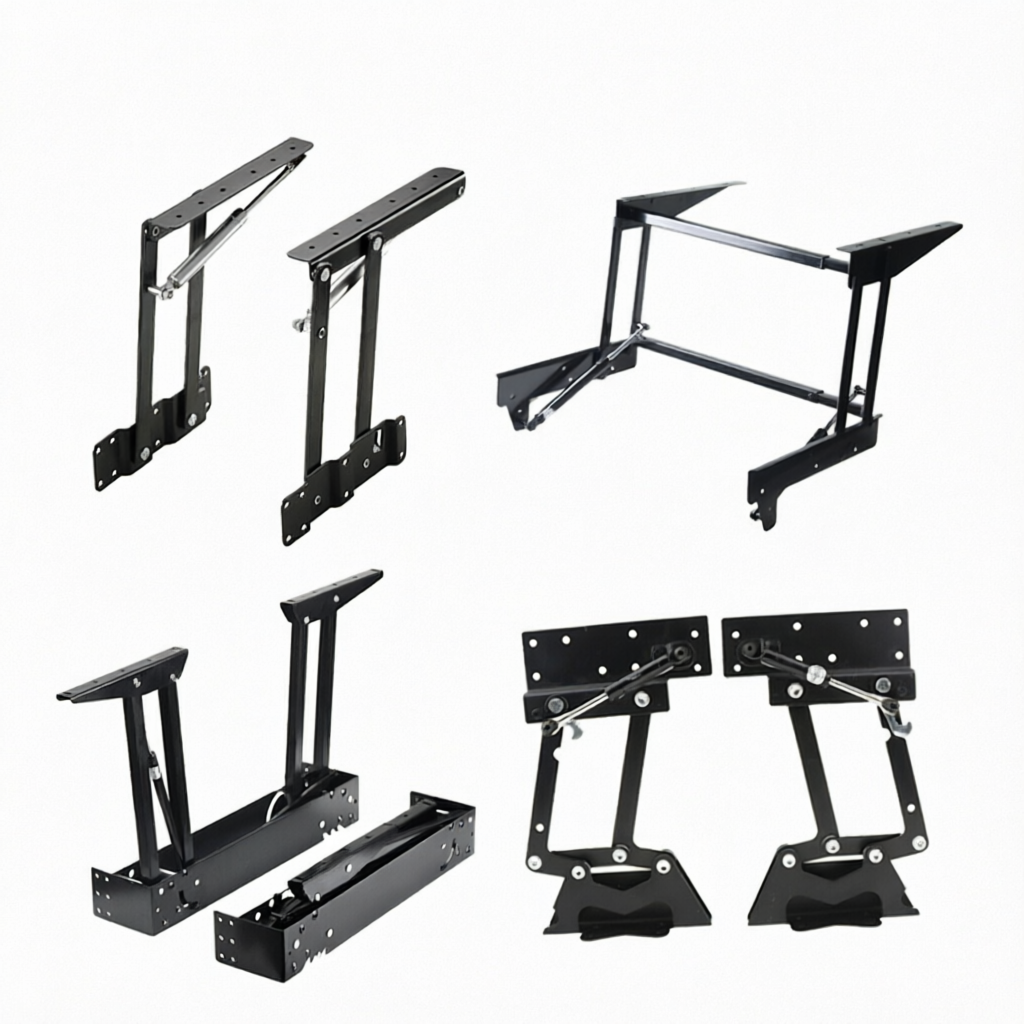
Gas-Assist · Space Optimizer
Modern Metal Gas Lift Table Mechanism Expandable Lift Up Furniture Hinge Space Saving Coffee Dining Desk
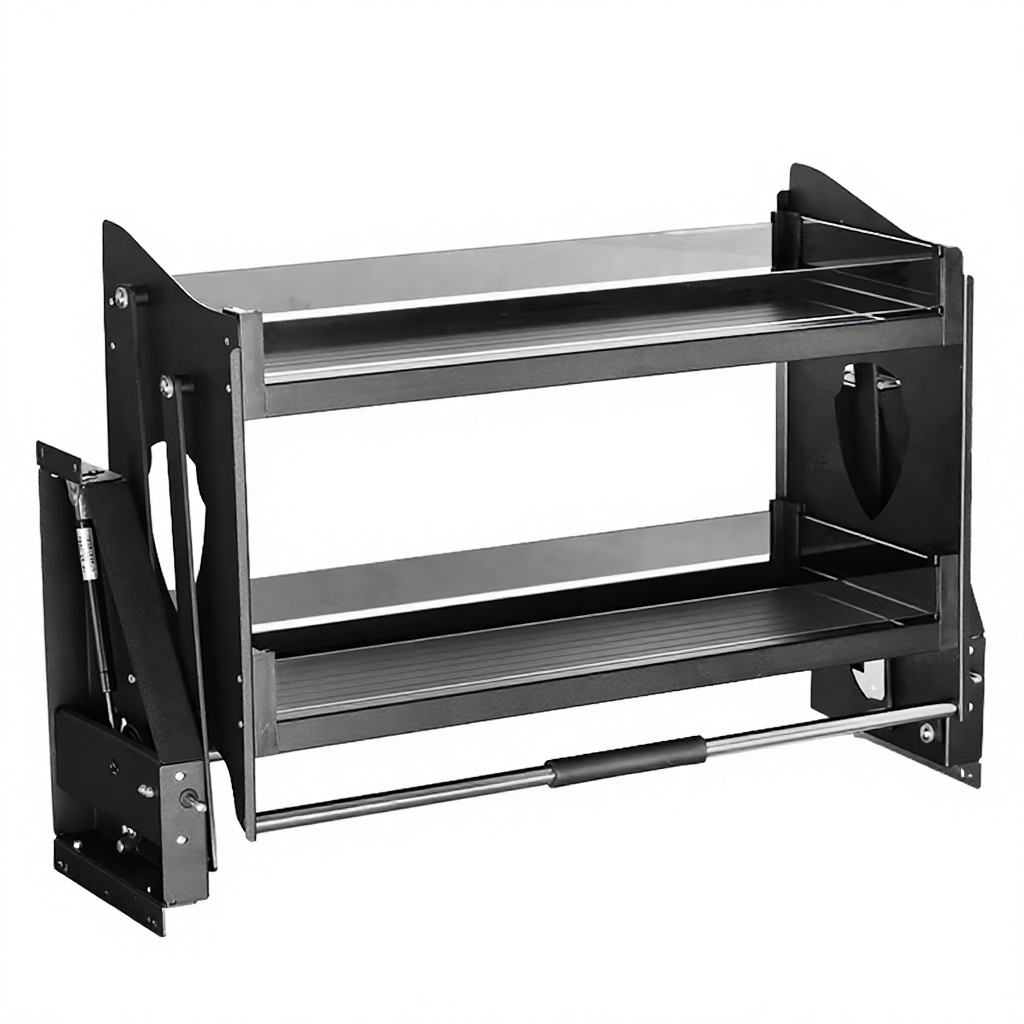
Carbon Steel + Aluminum · Soft Close
Modern Pull Down Kitchen Cabinet Spice Basket Removable Carbon Steel Aluminum Glass Organizer for Hotel
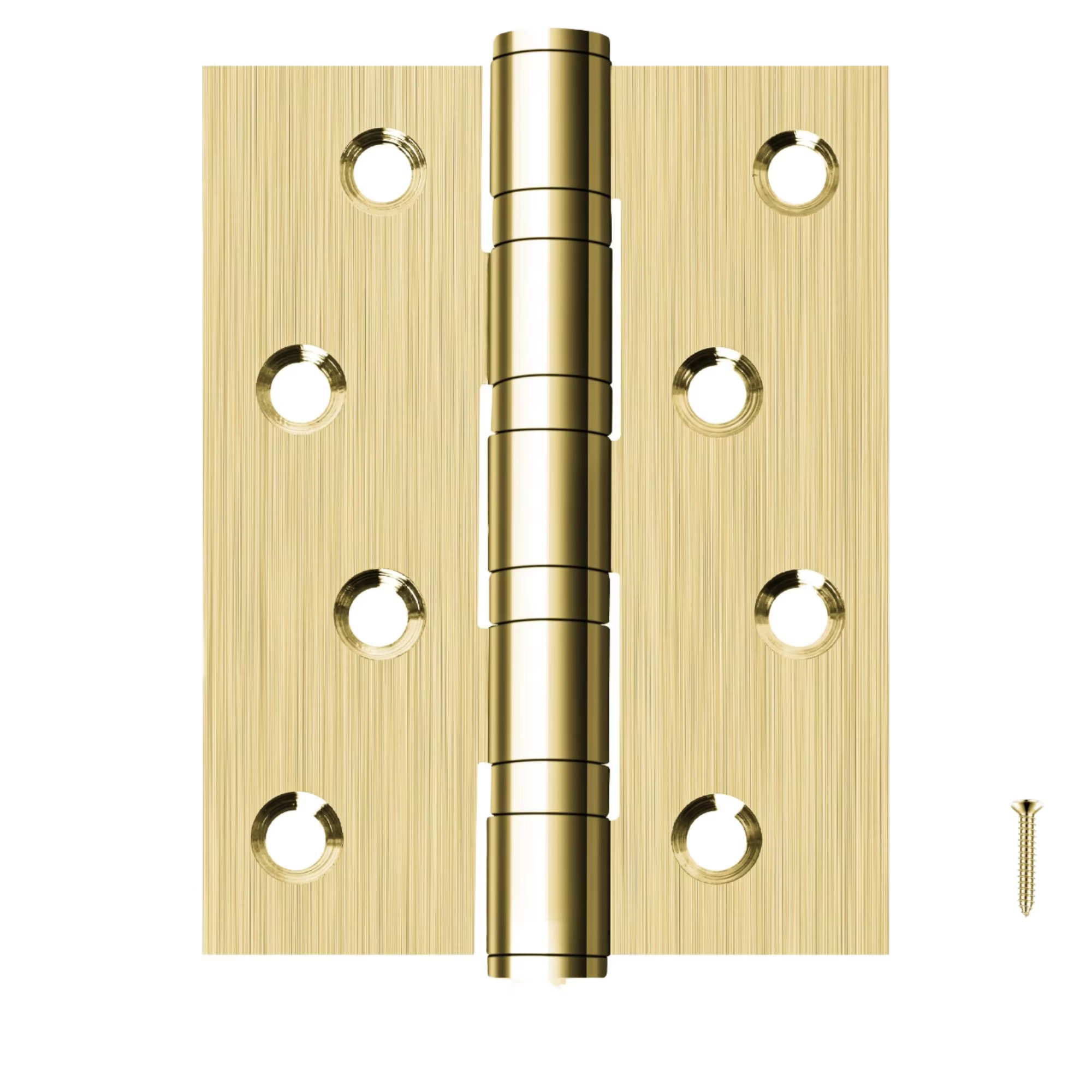
SUS 201/304 · 4BB Ball Bearing
Stainless Steel 201 304 Door Hinge 2.5 mm Antirust 4BB Eight Hole Furniture Hardware for Kitchen
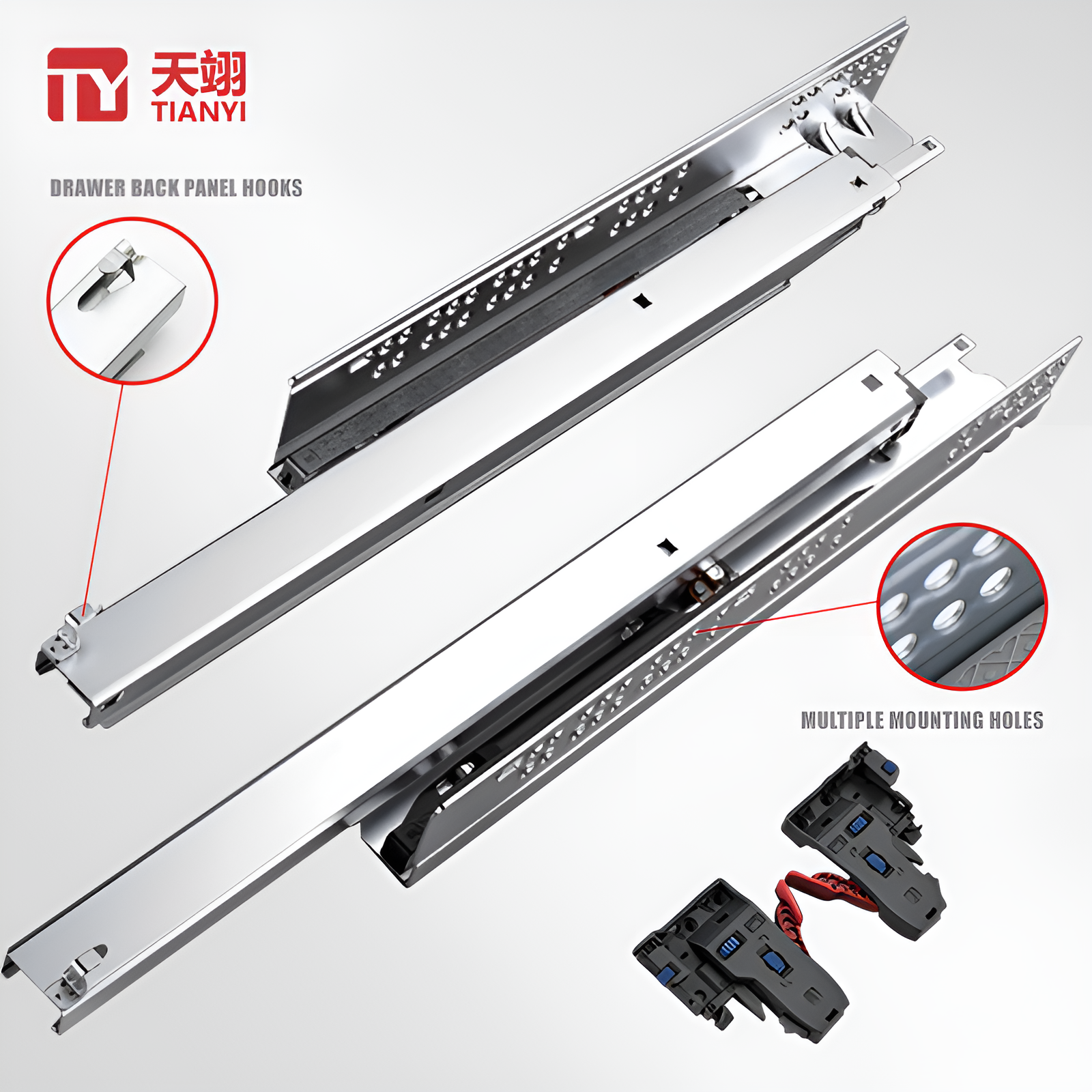
3D Micro-Regulation · Undermount
3D Adjustable Soft Close Concealed Drawer Slides Silent Full Extension Cold Rolled Steel Furniture Rails
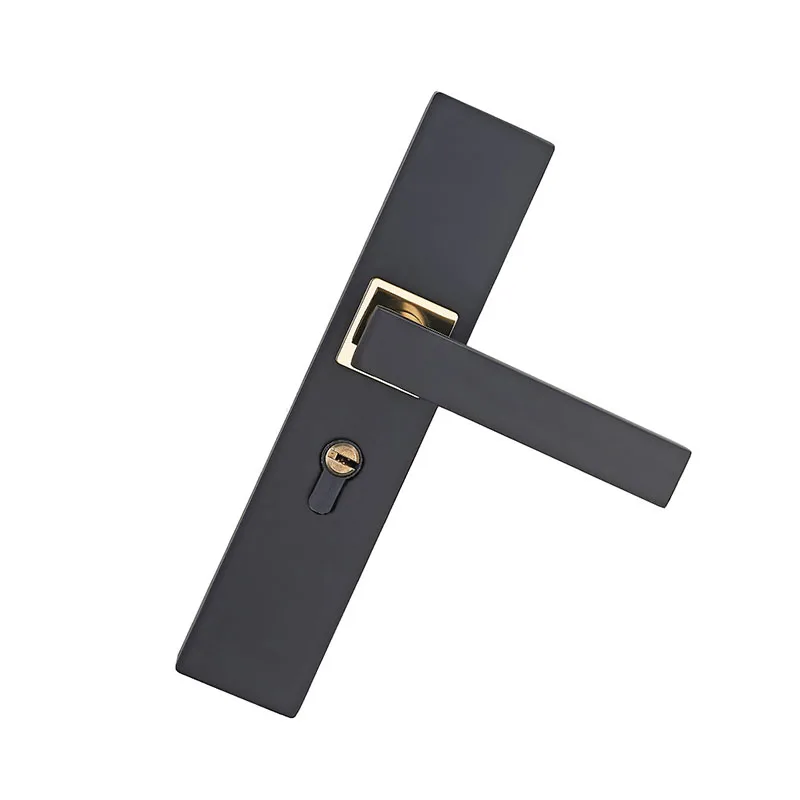
Space Aluminum · Architectural Grade
Contemporary Aluminum Lever Door Lock Black Gold Handle Set for Kitchen Interior Doors
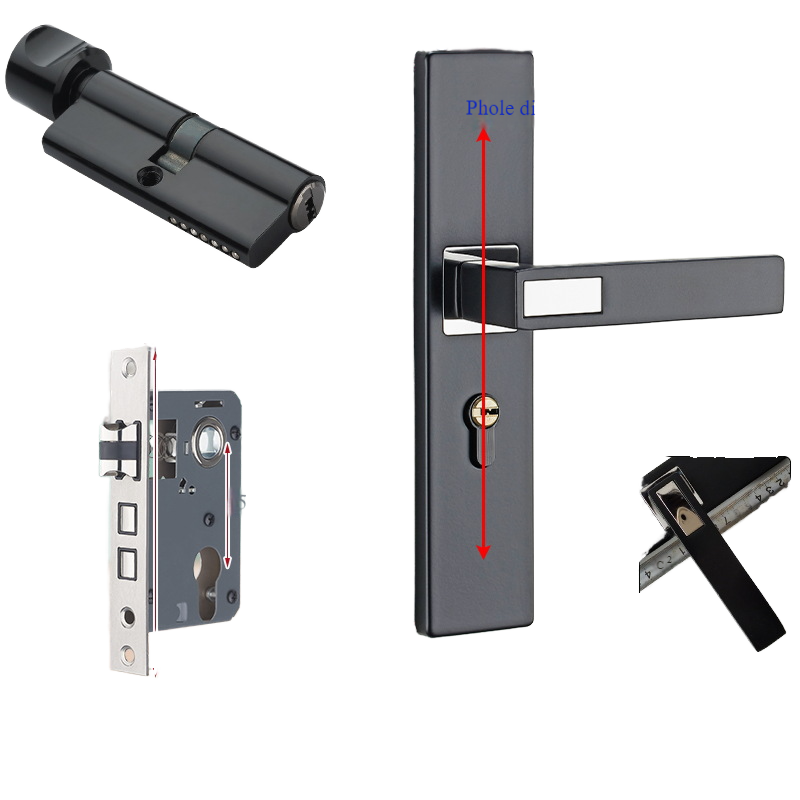
40 x 250 mm · Commercial Heavy Duty
Black Aluminum Furniture Door Lock Set Regular Key 40 x 250 mm for School Office
180° / 165° Pie-Cut · Hydraulic Core
180 Degree Soft Closing Cabinet Hinge Zinc Alloy 35mm Cup 3D Adjustable Concealed Furniture Hardware for Wooden Doors
Technical Whitepaper
Corner Cabinet Hinges: Kinematic Mechanics & Factory Sourcing Matrix
Corner kitchen cabinets and architectural blind-corner credenzas present the most mechanically demanding spatial constraints in contemporary joinery. Unlike standard 105° or 110° overlay doors, corner solutions—incorporating bi-fold pie-cut assemblies, blind-corner frame mounts, and wide-angle lazy Susan configurations—demand specific kinematic trajectories. When engineering these corner openings, industrial cabinet manufacturers and B2B hardware distributors must navigate distinct structural stresses: off-axis cantilever torque, micro-gap collisions, and extended load cycles on hydraulic damping cores.
Kinematic Differentiation: Pie-Cut vs. Blind Corner vs. 165° Zero-Protrusion
To eliminate dead corners in modern modular cabinetry, three foundational mechanical classes of hinges are deployed across production lines. Sourcing teams must distinguish these geometries during early specification phases to prevent panel binding and warranty failures:
| Mechanical Classification | Kinematic Angle | Core Application | Critical Failure Factor | Structural Remedy |
|---|---|---|---|---|
| Pie-Cut Bi-Fold Hinge | 60° to 75° articulated | Connecting two folding leaves in L-shaped corner cabinets | Center hinge sagging under heavy outer door oscillation | Cold-rolled steel link arms with copper-core rivets |
| Blind Corner Inline Hinge | 90° to 95° flat post mount | Mounting doors flush to adjacent perpendicular filler panels | Insufficient lateral clearance; door scrapes filler edge | Integrated 3D cam-screw micro-adjustment (±2.5mm) |
| 165° Wide-Angle Hinge | 155° to 170° wide swing | Full interior access; clearance for pull-out wire baskets | Zero-protrusion failure blocking internal rolling trays | Multi-pivot linkage maintaining hinge cup inside cabinet bounds |
Hydraulic Valve Mechanics & Salt Spray Anti-Corrosion Protocols
High-end furniture lines rely on concealed damping cylinders to ensure silent, bounce-free deceleration. Standard economy hinges often utilize single-stage plastic pistons susceptible to internal fluid degradation and seals failing after 20,000 cycles. Industrial-grade corner hinges manufactured for international B2B distribution utilize solid-brass or forged zinc alloy oil cylinders packed with high-viscosity synthetic hydraulic fluid rated for stable operation between -15°C and 50°C.
Furthermore, coastal humidity, maritime export transit, and kitchen cooking steam dictate stringent metallurgical finishes. Cold-rolled steel (SPCC) chassis undergo an automated multi-stage plating cycle: alkaline copper strike bottom layer (3–5µm), acid bright nickel intermediate plating (8–12µm), and an optional electrophoretic titanium or matte black lacquer seal. This multilayer electroplating guarantees minimum 48 to 96 hours of neutral salt spray (NSS) testing per ASTM B117 standards, guaranteeing zero structural rusting or galvanic corrosion across diverse climatic deployment regions.
Procurement Due Diligence
How Top Sourcing Managers Evaluate Hinge Factories
A pragmatic evaluation protocol used by leading hardware importers and furniture manufacturers to audit Chinese production hubs.
Automated Stamping & Assembly
Tier-1 factories run progressive multi-station stamping dies that maintain punch tolerances within ±0.03mm. Automated robotic assembly eliminates human assembly variations across linkage pin riveting and spring preload calibration.
Independent Testing Certification
Verify that supplier credentials feature active Intertek onsite verification and ISO 9001:2015 QA systems. Look for hinges verified against EN 15570 Level 3 durability tests (80,000+ open/close cycles under full load).
Supply Chain Consolidation Scale
Working with specialized supplier hubs like Xiamen Wudi Hardware provides direct access to 50+ vetted manufacturing lines. Importers consolidate hinges, runners, and storage pull-outs within a single shipping container.
Industry Foresight
Future Procurement & Kinetic Design Trends
Strategic shifts transforming furniture fitting procurement: smart kinematics, minimalist aesthetics, and sustainable manufacturing.
Integrated Slim-Line Concealment
Modern luxury casework demands ultra-compact hinge profiles. Manufacturers are reducing hinge cup depths below 11.5mm to accommodate thin 16mm engineered wood panels while integrating damping within the pivot body.
Push-to-Open Soft-Close Convergence
Handle-less minimalist furniture previously forced designers to choose between mechanical tip-on springs or soft closing dampers. Hybrid corner mechanisms combine mechanical push-release with hydraulic braking inside the same assembly.
DDP Delivery & Multi-Category Consolidation
B2B buyers are abandoning fractured supplier contracts. The industry standard favors full consolidation where corner hinges, drawer slides, and kitchen baskets ship together under audited DDP terms to lower tariff exposure.
Enterprise Infrastructure
Why Global Importers Partner With Wudi Hardware
Headquartered in the Xiamen foreign trade hub with over 7 years of specialized hardware experience and 50+ partner manufacturing facilities.
Intertek Verified
Our corporate headquarters, trade credentials, and legal compliance are strictly onsite-checked and certified by Intertek for full buyer transparency.
50+ Factory Network
We run an integrated supply chain connecting 50+ specialized automated manufacturing plants across Fujian and Guangdong to source ideal tooling lines.
3-Stage Quality Control
Every production run undergoes strict raw material incoming checks, automated in-line inspection, and comprehensive pre-shipment testing before crating.
DDP Door-to-Door
Full logistics support providing multi-category container consolidation, customs clearance, and DDP doorstep delivery across North America, Europe, and the Middle East.
Procurement Knowledge Base
Frequently Asked Technical & Purchasing Questions
Direct answers to common technical queries regarding corner hinge kinematics, custom finishes, and B2B ordering terms.
What is the mechanical difference between a 165° hinge and a bi-fold pie-cut corner hinge?
A 165° wide-angle hinge is mounted to the cabinet carcase side panel to allow an oversized single door to swing almost flat back, giving wide access and clearing interior pull-out spice baskets or wire drawers. A bi-fold pie-cut hinge, on the other hand, connects two folding wooden doors together in an L-shaped corner carcase, articulating at a 60° to 75° angle so both leaves can fold in sequence without pinching the adjacent doors.
What is the Minimum Order Quantity (MOQ) for hinges and consolidated hardware orders?
For standard concealed cabinet hinges in factory stock configurations, our minimum order quantity starts from just 44 pieces (or 1 master carton). For drawer slides, MOQ starts from 1–10 pairs; kitchen sinks start from 1 set; and kitchen baskets start from 1–2 boxes. For custom OEM finishes (such as matte black, titanium electroplating, or private brand polybag and box packaging), production runs generally begin at 1,000 to 5,000 units.
Can Wudi Hardware consolidate multiple categories into a single shipping container?
Yes. Many furniture manufacturers and distributors save substantial logistics and customs overhead by consolidating mixed categories. You can load hydraulic corner hinges, undermount drawer slides, stainless steel kitchen sinks, and wardrobe lift mechanisms into one consolidated container managed directly from our Xiamen consolidation facility.
How do you ensure anti-rust performance in humid coastal or kitchen environments?
We supply two distinct metallurgical grades: premium cold-rolled steel (SPCC) with multi-layer copper-undercoat nickel plating tested for 48–72 hours NSS (neutral salt spray), and 201/304 series stainless steel hardware engineered for coastal and high-humidity applications which achieves 96 to 120 hours NSS with zero galvanic oxidation.
Which international commercial payment terms and currencies do you accept?
We support standard B2B trade settlement terms including T/T (Telegraphic Transfer), L/C at sight, D/P, D/A, Credit Card, and PayPal. Transactions can be invoiced and settled in both USD and CNY.
What sample verification processes are available prior to bulk container production?
We provide full physical production samples for functional, finish, and screw-line testing before mass production commences. Dimensional diagrams (CAD/DXF) are reviewed by our engineering staff, and buyer-appointed third-party inspectors (such as SGS or TÜV) are welcomed for container loading audits.
Connect With Our Technical Hardware Engineers
Whether you require CAD engineering models for pie-cut corner systems or wish to consolidate a multi-category hardware order under verified DDP terms, our team is at your disposal.