Engineered Architectural & Cabinetry Hardware Portfolio
Explore our core collection of hydraulic concealed hinges, smooth cold-rolled ball bearing drawer runners, and functional kitchen/wardrobe storage systems manufactured in accordance with strict international tolerance standards.
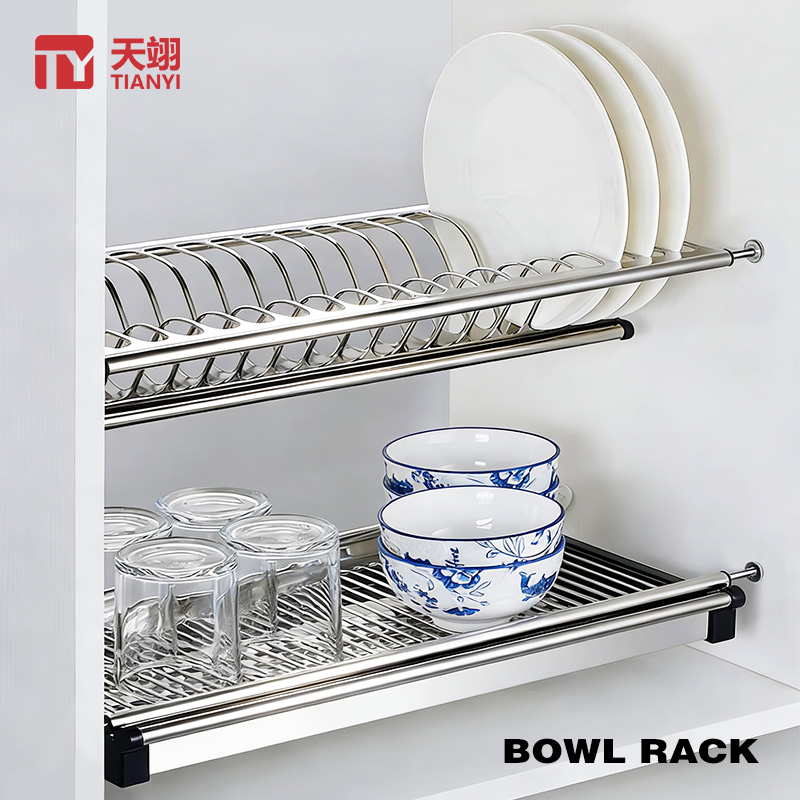
Modern 2 Tier Pull Down Cabinet Basket Stainless Steel Wire Shelf Kitchen Dish Bowl Organizer
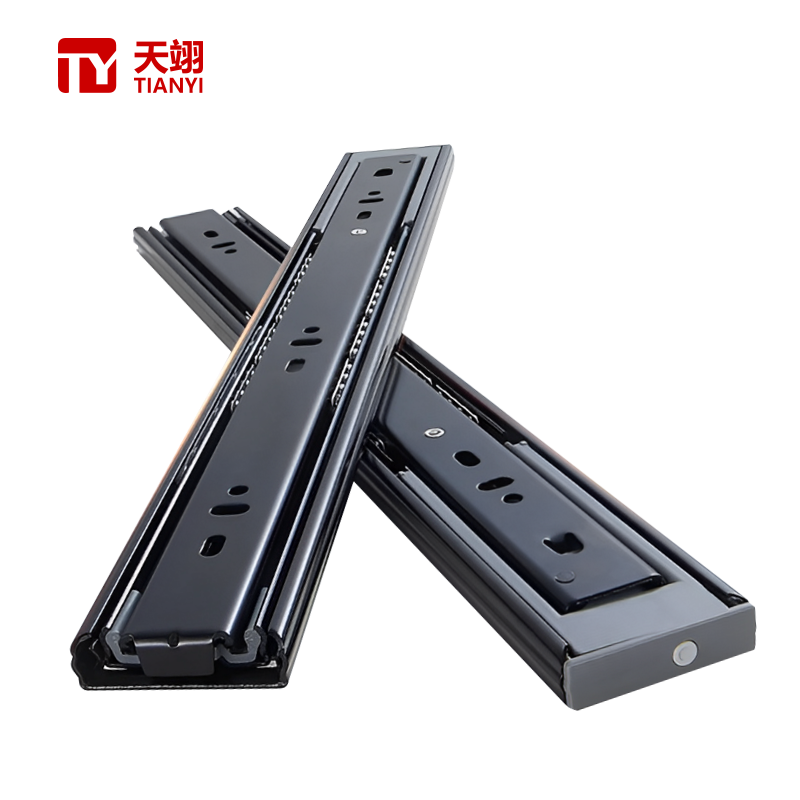
45mm Full Extension Drawer Slides 3 Fold Soft Close Rebound Cold Rolled Steel Rails Silent Cabinet Furniture Hardware
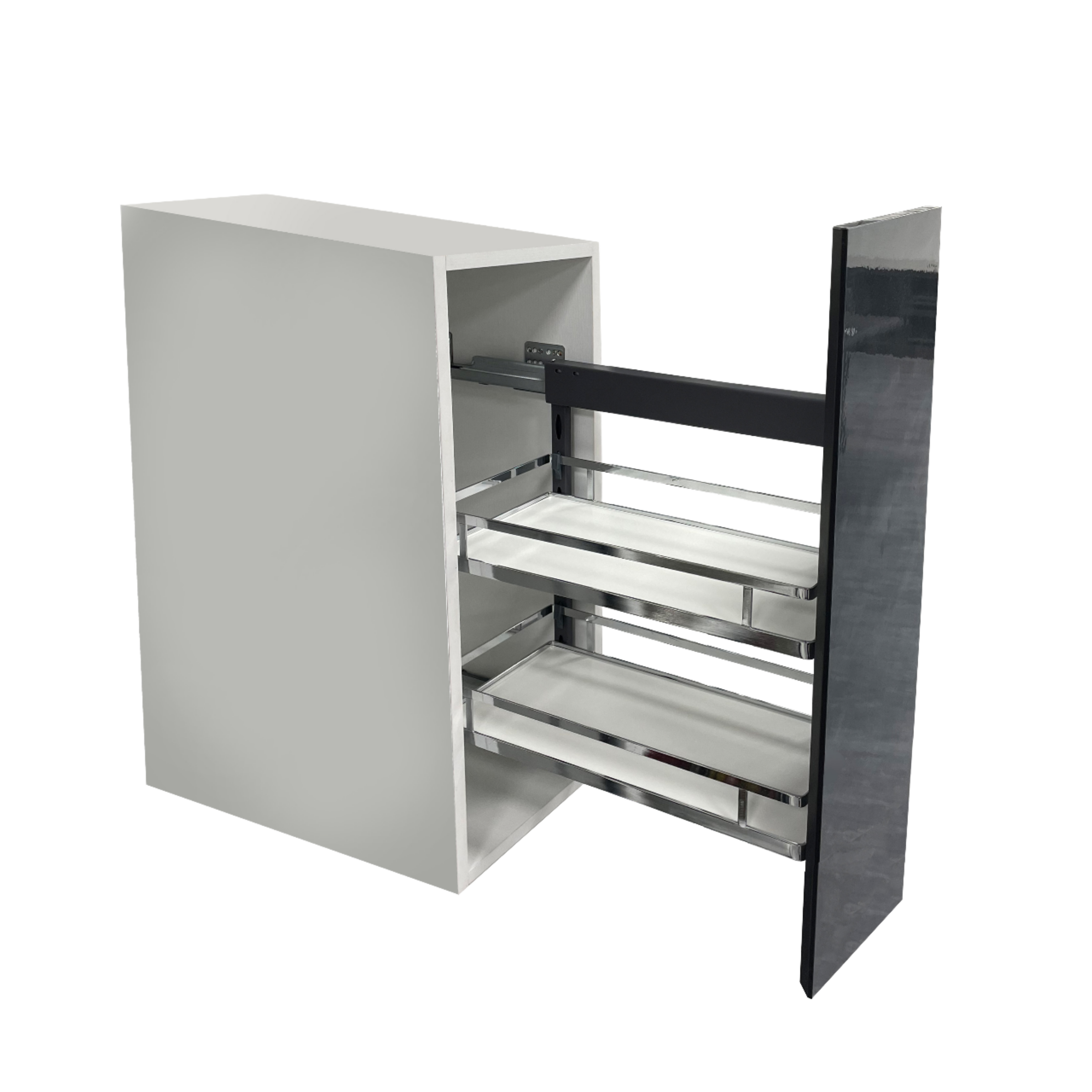
Double Tier Chrome Pull-Out Cabinet Basket Sliding Kitchen Pantry Organizer Two Shelf Storage Rack
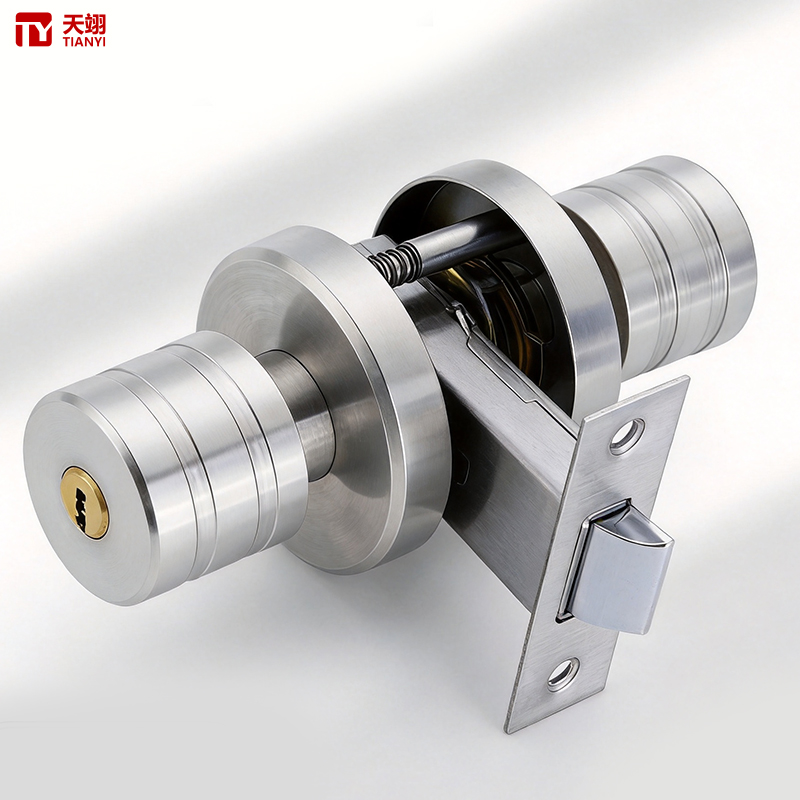
Stainless Steel 304 Round Door Knob Lock Mechanical Keyed Latch Lockset Silver for Office Room
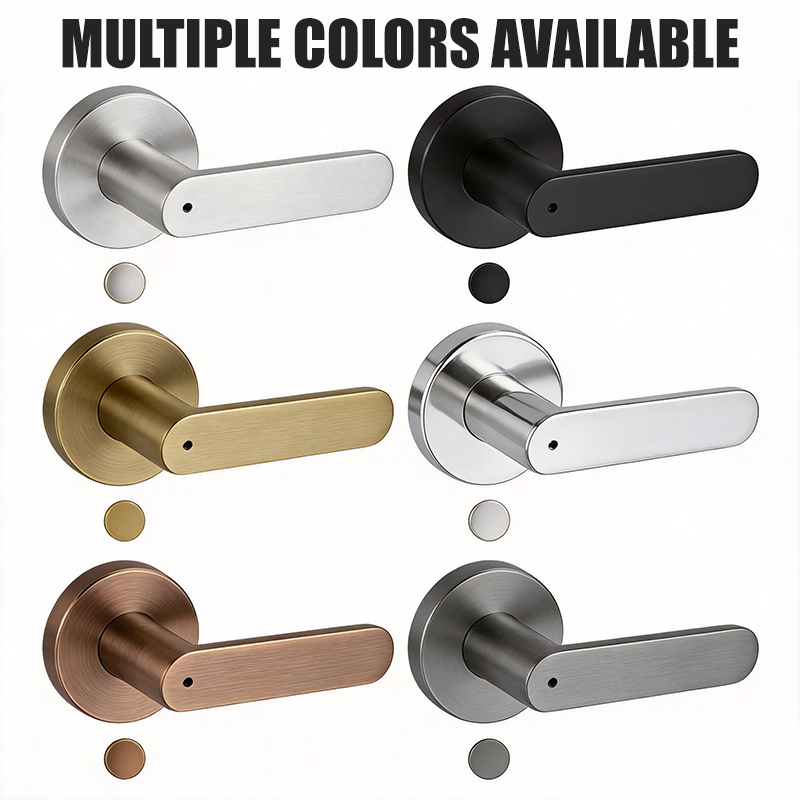
Modern Stainless Steel Mortise Door Handle Set Split Lever Furniture Lock Metal Key 90 Degree Rotation Interior Entrance Hardwar
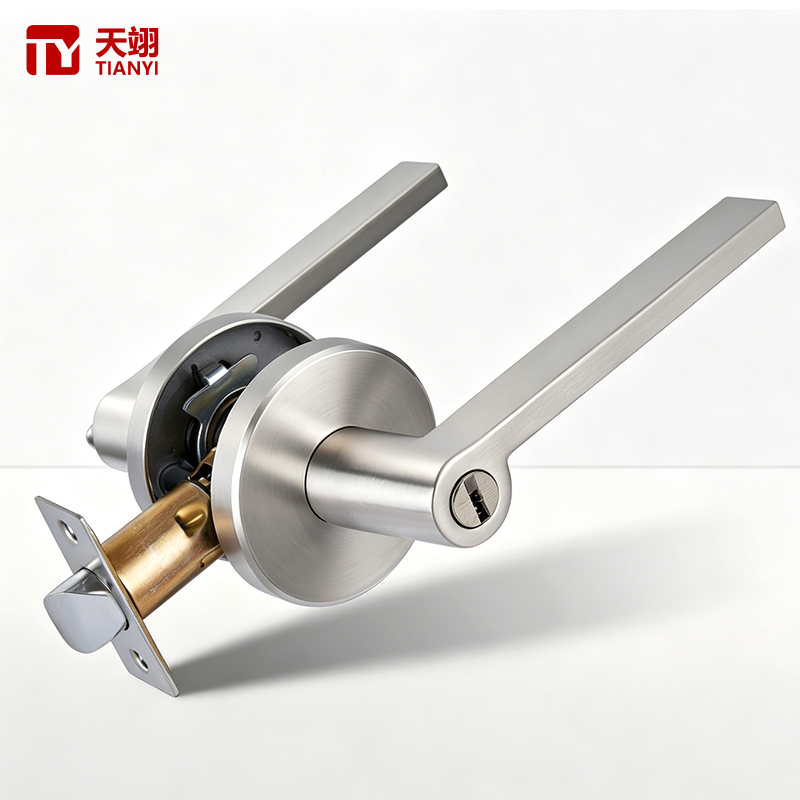
Stainless Steel Lever Door Lockset Brushed Square Handle Tubular Privacy Lock for 27 to 30 mm Wooden Doors
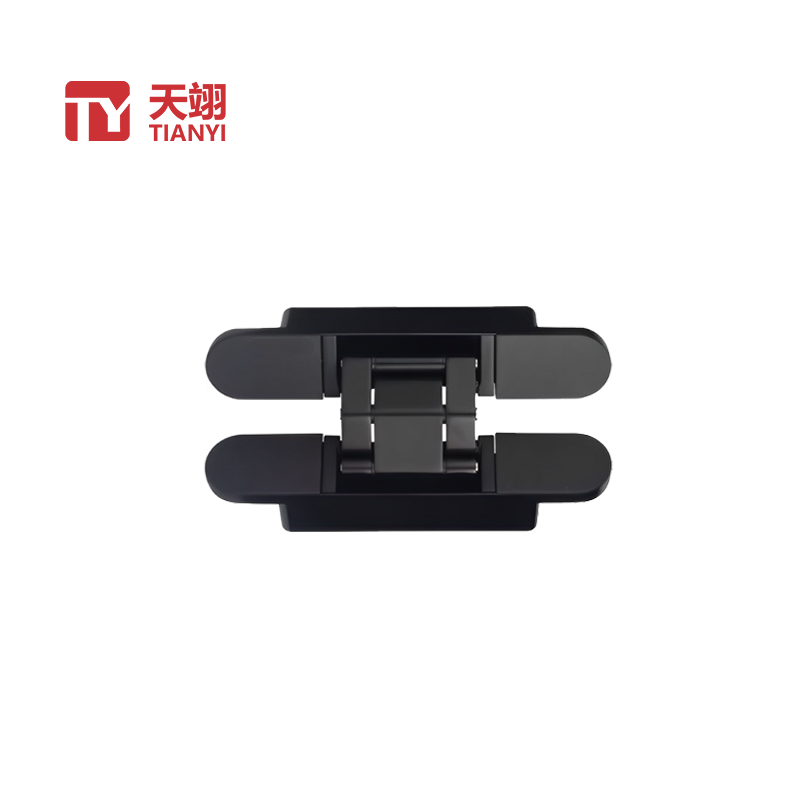
180 Degree Soft Closing Cabinet Hinge Zinc Alloy 35mm Cup 3D Adjustable Concealed Furniture Hardware for Wooden Doors
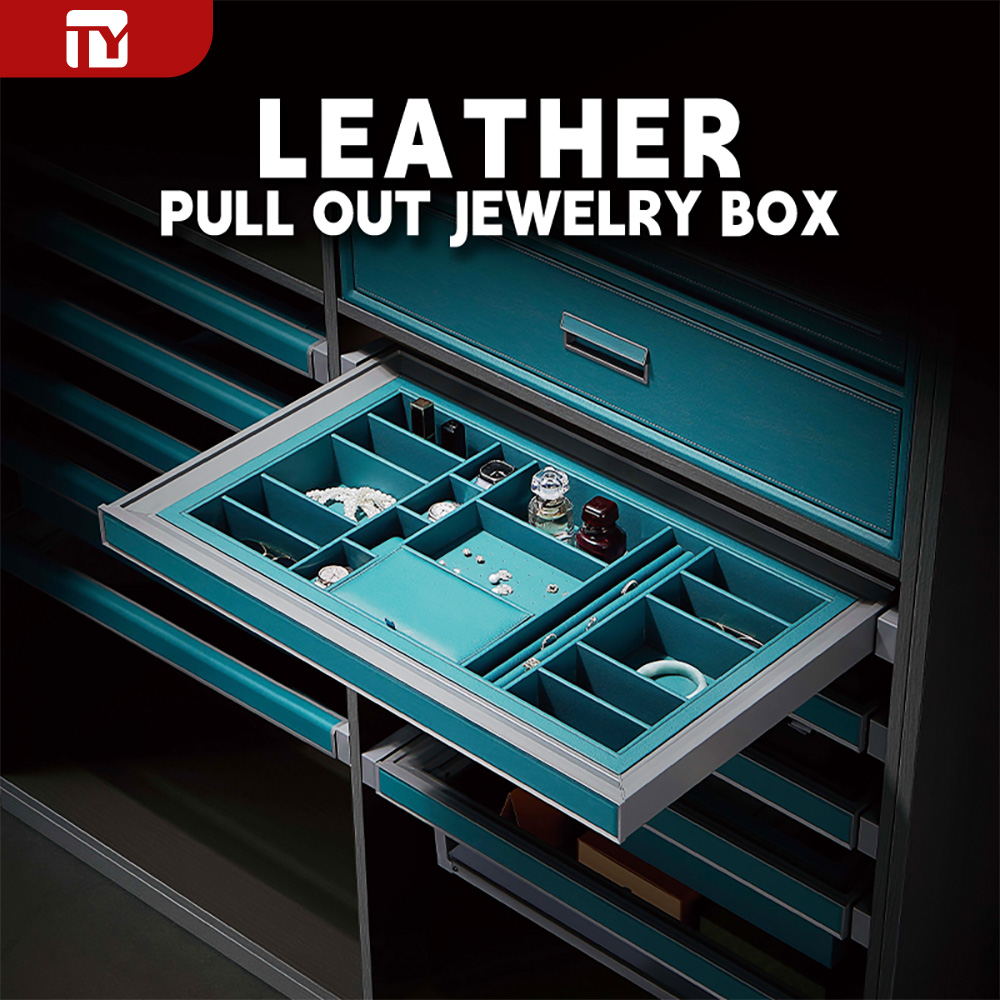
TIANYI TY-9009 Pull Out Jewelry Box Aluminum Alloy Wardrobe Drawer Organizer Storage Tray
Why Global Importers Source Hinges Through Wudi Hardware
Based in the coastal export powerhouse of Xiamen, Fujian, Xiamen Wudi Hardware Products Co., Ltd. consolidates deep technical manufacturing partnerships across over 50 audited factory lines throughout southern China.
3-Stage Engineering QC
Our dedicated on-site QC engineers supervise raw cold-rolled coil grading, hydraulic cylinder fluid-pressure sealing, and post-plating salt spray testing. Pre-shipment batch sampling follows strict MIL-STD-105E / ISO 2859 AQL 1.5 standards before container stuffing.
Single Container Consolidation
Procure complete architectural cabinetry packages in one blended manifest. Consolidate hydraulic soft-close hinges, full-extension concealed undermount slides, pull-out pantry wire baskets, and SUS304 sinks directly at our Xiamen consolidation facility under streamlined export customs codes.
Comprehensive DDP Logistics
Eliminate middleman friction and unexpected demurrage. We offer end-to-end Delivered Duty Paid (DDP) shipping solutions across North America, Europe, Australia, and the Middle East, handling ocean drayage, customs clearance, import tariff classifications, and direct warehouse delivery.
Engineering Principles of Modern Soft-Closing Cabinet Hinges
An engineering breakdown of hydraulic damper dynamics, cold-rolled metallurgy, kinematic linkage physics, and testing specifications governing modern China hinge production.
Hydraulic Damper Anatomy & Viscous Damping Kinetics
The primary functional differentiator between budget cabinet hinges and industrial-grade soft-close mechanisms lies in the design of the integrated miniature hydraulic damper cylinder. In precision Chinese manufacturing, these cylinders are engineered using sealed copper or aerospace-grade brass capsules filled with high-viscosity, silicone-based hydraulic fluid calibrated between 10,000 to 30,000 cSt (Centistokes).
When a cabinet door swings into its deceleration perimeter (typically between 15° and 20° from total closure), an articulated transmission lever drives a miniature piston through the fluid chamber. The viscous resistance forces fluid through precision-drilled micro-orifices, transforming kinetic energy into smooth thermal dissipation. Inferior dampers utilize stamped iron housings and petroleum mineral oils that suffer cavitation, thermal degradation, and seal ruptures after 15,000 cycles, causing violent door slamming and unsightly oil leaks on interior cabinet carcasses.
Industrial-grade hinge factories deploy dual-rate springs alongside hydraulic buffers, ensuring the door closes consistently regardless of door weight variations—from lightweight 2.5 kg MDF facades up to heavy 12 kg solid oak or moisture-resistant architectural slab doors.
Metallurgical Selection: Q195/Q235 vs. ZAMAK-5 vs. SUS304
Selecting the appropriate structural alloy directly dictates the load-bearing rating, hinge arm rigidity, and anti-sagging longevity over repeated opening cycles:
- Cold-Rolled Carbon Steel (Q195 / Q235): The workhorse of interior residential cabinetry. Stamped to thicknesses of 1.0mm to 1.2mm, these plates provide high tensile strength and ductile elasticity. Plated with a copper preliminary barrier followed by a multi-micron bright nickel layer, they withstand dry interior atmospheres with low manufacturing costs.
- Zinc Alloy Die-Casting (ZAMAK-5): Deployed in high-end 3D cam adjustments and wide-angle 165°–180° articulated complex hinge bodies. Zinc die-casting allows precision geometric clearances (±0.05 mm), ensuring zero rattle or play in multi-pivot link linkages.
- Austenitic Stainless Steel (SUS304 / SUS316): Essential for marine, outdoor kitchen, laboratory, and high-humidity coastal construction. SUS304 provides innate chromium-nickel passivation layers that resist atmospheric galvanic corrosion and chloride pitting.
| Performance Parameter | Commercial Grade (Level 1) | Contract Project Grade (Level 2) | European Standard EN 15570 Level 3 (Premium) |
|---|---|---|---|
| Cycle Durability (Open/Close) | 20,000 – 30,000 cycles | 50,000 cycles | 80,000 – 100,000 certified cycles |
| Neutral Salt Spray (ASTM B117) | 24 Hours (NSS) | 48 Hours (NSS) | 72 to 120 Hours (NSS) |
| Damper Cylinder Build | Stamped Tin/Iron Shell | Solid Copper/Aluminum Hybrid | Sealed Pure Brass / Dual Piston |
| Door Adjustment Mechanism | Slotted Screws (1D/2D) | Independent 2D Cam Adjust | Integrated 3D Eccentric Cam Adjust |
| Sag Resistance (@ 20kg load) | > 2.5 mm sag after 10k | < 1.5 mm sag after 40k | < 0.8 mm sag after 80k cycles |
Future Procurement Trends in Cabinet Hinge Manufacturing
Strategic macroeconomic and industrial engineering shifts defining how international furniture brands, hardware wholesalers, and project specifiers partner with Chinese manufacturing plants.
1. Ultra-Thin & Minimalist Cup Geometries
Modern architectural millwork is transitioning away from standard 11.5mm deep, 35mm hinge cups toward ultra-shallow 8.5mm to 9.5mm profiles. This engineering pivot allows hinge mounting directly into slim aluminum frame doors, compact laminate (HPL), sintered stone composite panels, and 14mm minimalist door leaves without risking front-face substrate punch-through or veneer delamination.
2. Physical Vapor Deposition (PVD) Black & Dark Finishes
Traditional electro-galvanized nickel finishes are increasingly yielding market share to dark industrial aesthetics. Leading Chinese factories have installed automated cathodic arc PVD plating lines, producing fingerprint-resistant matte titanium black, slate gray, and champagne bronze finishes that achieve 120-hour salt spray resistance while blending invisibly into smoked oak and dark walnut custom carcasses.
3. Toolless 3D Cam Alignment Integration
On-site assembly labor expenses in Western Europe and North America have elevated installation speed into a pivotal purchasing criterion. Modern soft-close hinges incorporate spiral eccentric cams directly on the mounting plate and hinge arm, allowing full six-way spatial adjustment (depth: ±2mm, vertical: ±2mm, lateral: ±2mm) using a single Phillips driver without loosening mounting plate anchors.
4. Automated Stamping & Optical Robotic QC
Top-tier China hinge manufacturers are eliminating manual stamping benches in favor of multi-station progressive stamping dies with automated in-line laser and optical camera sorting. Optical inspection systems measure hinge cup concentricity, pin alignment, and rivet deformation at 120 parts per minute, driving batch defect rates down from 0.8% to under 0.05% (500 PPM).
5. Two-Stage Kinetic "Clip-Free" Deceleration
Next-generation damping linkages incorporate a free-swing zero-resistance stroke between 110° and 30°, transitioning into a buttery, uniform damping zone from 30° down to 0°. This eliminates the common buyer frustration where doors feel uncomfortably stiff or sluggish when pushed from a wide-open position, creating a luxurious tactile user experience across custom kitchen suites.
6. ESG Carbon Tracking & Recyclable Packaging
Major retail brands and commercial real estate developers increasingly audit suppliers for RoHS, REACH, and environmental footprint data. Progressive factories operate non-cyanide trivalent chromium passivation lines, reclaim 92% of plating rinse water via closed-loop vacuum evaporators, and ship export SKUs packed in 100% unbleached, biodegradable honeycomb kraft corrugated outers.
Regional Factory Clusters: Guangdong vs. Fujian/Zhejiang
Navigating China's industrial geography is essential for optimizing price-to-performance ratios and mitigating supply chain lead-time risks.
Guangdong Cluster: Shunde & Gaoyao
The Pearl River Delta region—predominantly Shunde (Foshan) and Gaoyao (Zhaoqing)—represents the world's highest concentration of furniture hardware stamping plants. The localized ecosystem offers unmatched speed for stamping tooling development and high-volume raw material procurement.
Key Procurement Dynamic: While Guangdong boasts immense volume scale, the prevalence of subcontracted tier-3 plating workshops requires rigorous third-party auditing to avoid substandard copper coatings and erratic zinc die-cast porosity. Sourcing requires seasoned local representation to police scrap-metal re-melting.
Fujian & Zhejiang Corridor: Precision Export Hubs
Fujian (centered around Xiamen's advanced logistics and Torch High-Tech Zone) and southern Zhejiang specialize in high-end export integration, specialized multi-axis CNC hinges, and multi-category consolidated shipments.
Key Procurement Dynamic: Companies like Xiamen Wudi Hardware capitalize on advanced deep-water port infrastructure, rigorous automated in-house assembly lines, and direct alignment with international compliance frameworks (CE, Intertek, ISO 9001). This region excels in providing low-friction communication, tailored OEM custom branding, and mixed-manifest export containers.
Frequently Asked Questions: Sourcing from China Hinge Factories
Practical, engineering-backed answers addressing the most critical concerns of B2B procurement directors, QA inspectors, and global supply chain managers.
What is the difference between full overlay, half overlay, and inset soft close hinges?
• Full Overlay (Straight Arm / 0mm Crank): The door completely conceals the edge of the cabinet side wall, leaving a minute 1.5mm to 3mm clearance gap. Used on single cabinets or outer terminal gable ends.
• Half Overlay (Half Crank / ~9mm Crank): Two opposing doors share a single central vertical partition divider (typically 16mm or 18mm thick). Each door covers half the partition width when closed without colliding.
• Inset (Full Crank / ~17mm to 19mm Crank): The door sits entirely flush inside the cabinet opening frame, exposing the outer carcass edge. Requires precision cabinet milling to avoid binding.
How can buyers ensure soft close hinges achieve 80,000+ opening cycles?
What are typical Minimum Order Quantities (MOQ) and lead times for OEM branding?
How do factories prevent corrosion and pass 48h to 96h salt spray testing?
Can buyers consolidate cabinet hinges with drawer slides and kitchen wire baskets?
What are the critical parameters needed when issuing a hinge Request for Quotation (RFQ)?
1. Cup Diameter & Boring Pattern: Standard 35mm cup; drilling pattern 45mm, 48mm, or 52mm hole centers.
2. Overlay Configuration: Full overlay, half overlay, or inset.
3. Mounting Plate Type: Clip-on quick release vs. slide-on standard; 2-hole vs. 4-hole; euro-screw vs. expansion dowel anchors.
4. Adjustment Specs: Standard slotted holes vs. integrated 3D eccentric cams.
5. Material & Finish: Cold-rolled steel, SUS304, or Zinc; bright nickel, electro-black, or PVD titanium.
Ready to Optimize Your Hardware Procurement Program?
Consult directly with our engineering and export team. Receive comprehensive CAD blueprints, certified cycle-testing documentation, physical master samples, and factory-direct volume pricing within one working business day.