Verified High-Performance Cabinet Fittings & Hardware
Explore our export-certified fittings engineered for high-density residential developments, hospitality projects, luxury bespoke kitchens, and commercial architectural cabinetry.
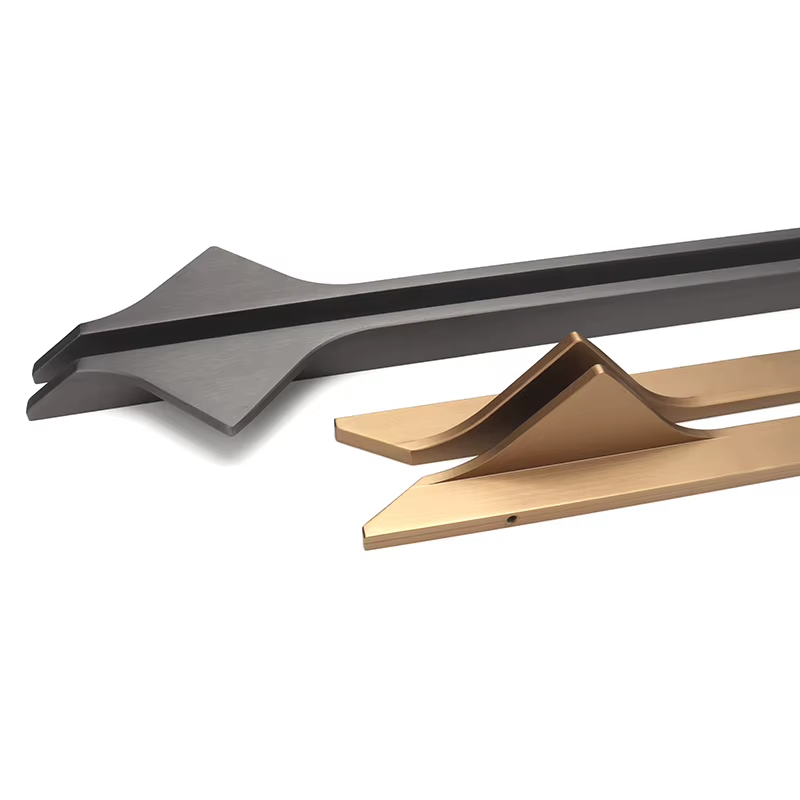
Contemporary Brass Furniture Handle Light Gray Square Profile Pull 23mm–1000mm
View Technical Data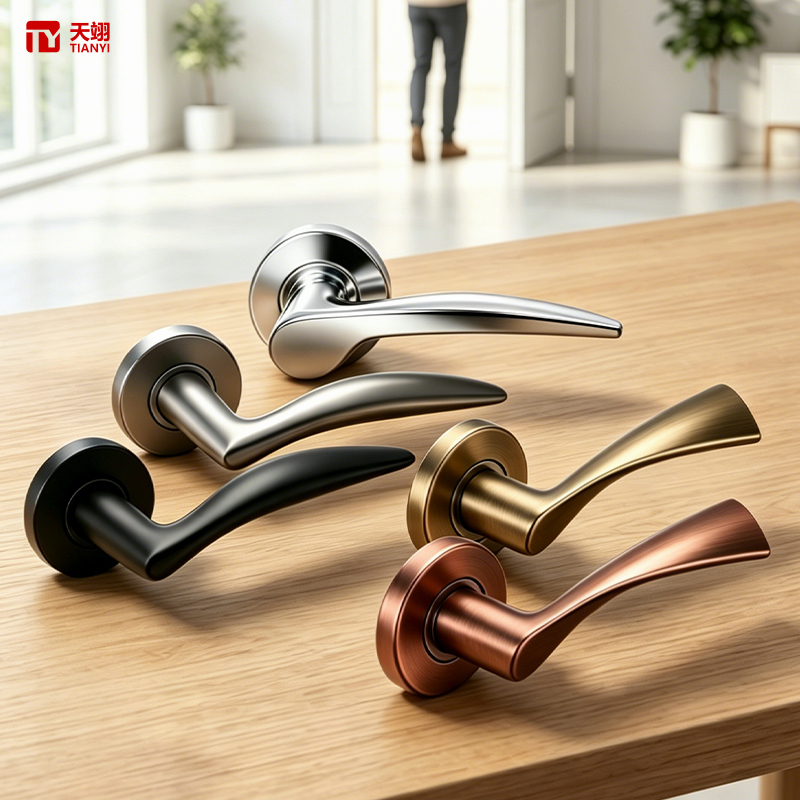
Stainless Steel Privacy Door Lock Set Zinc Alloy Lever Handle 90 Degree Rotation
View Technical Data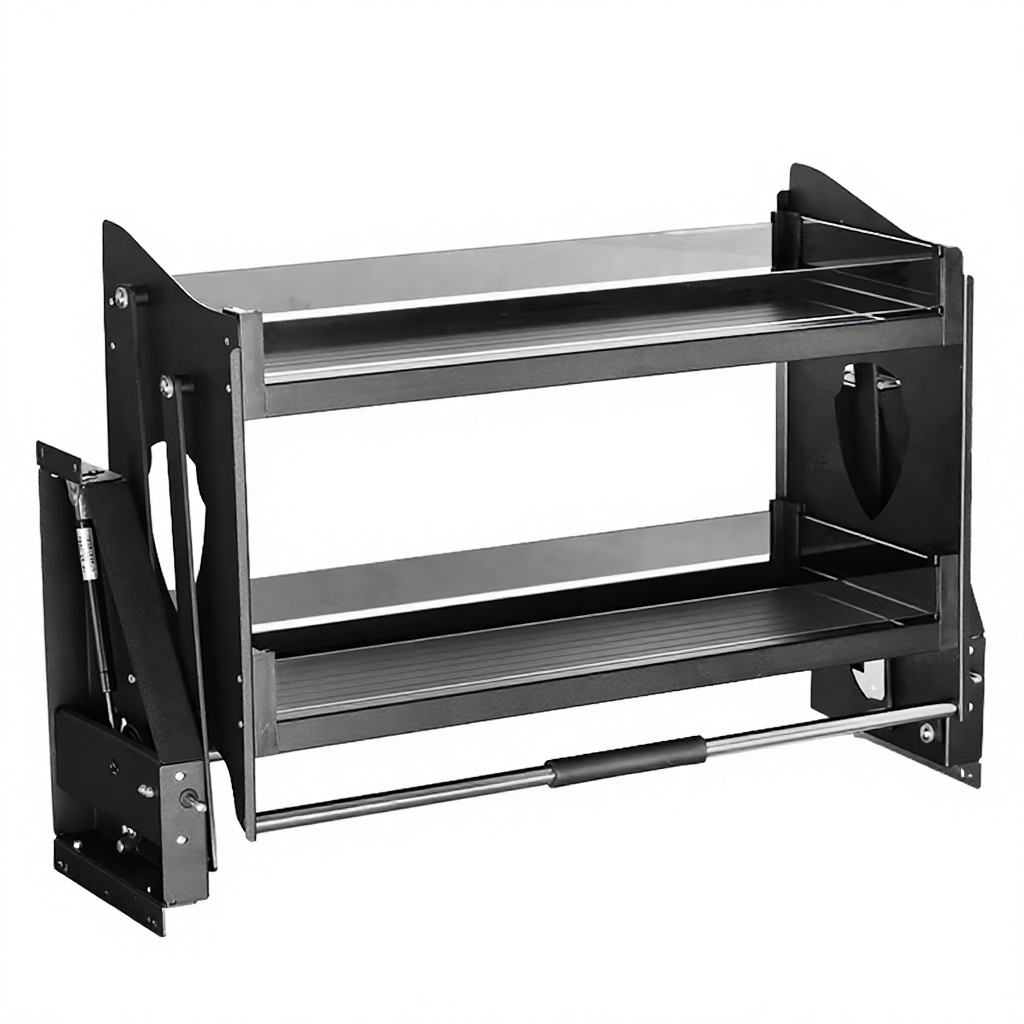
Modern Pull Down Kitchen Cabinet Spice Basket Removable Glass Organizer
View Technical Data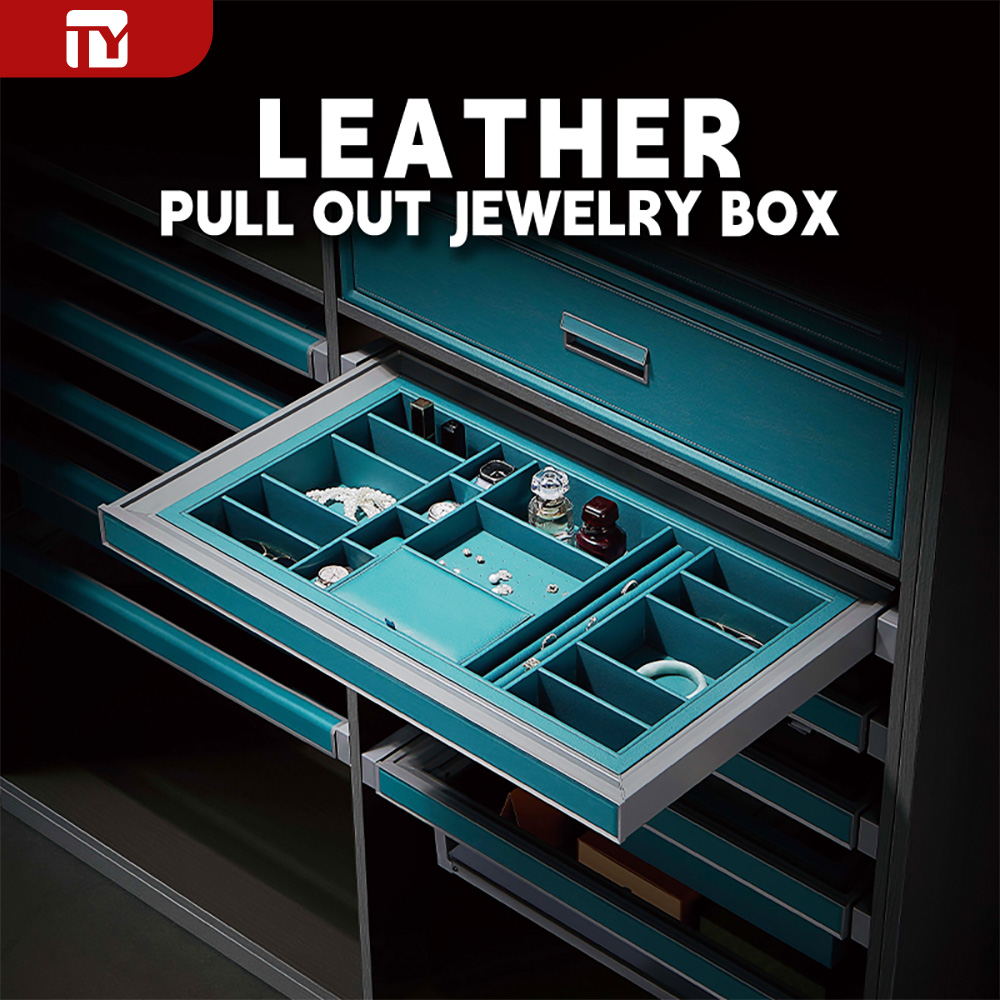
TIANYI TY-9009 Pull Out Jewelry Box Aluminum Alloy Wardrobe Drawer Organizer
View Technical Data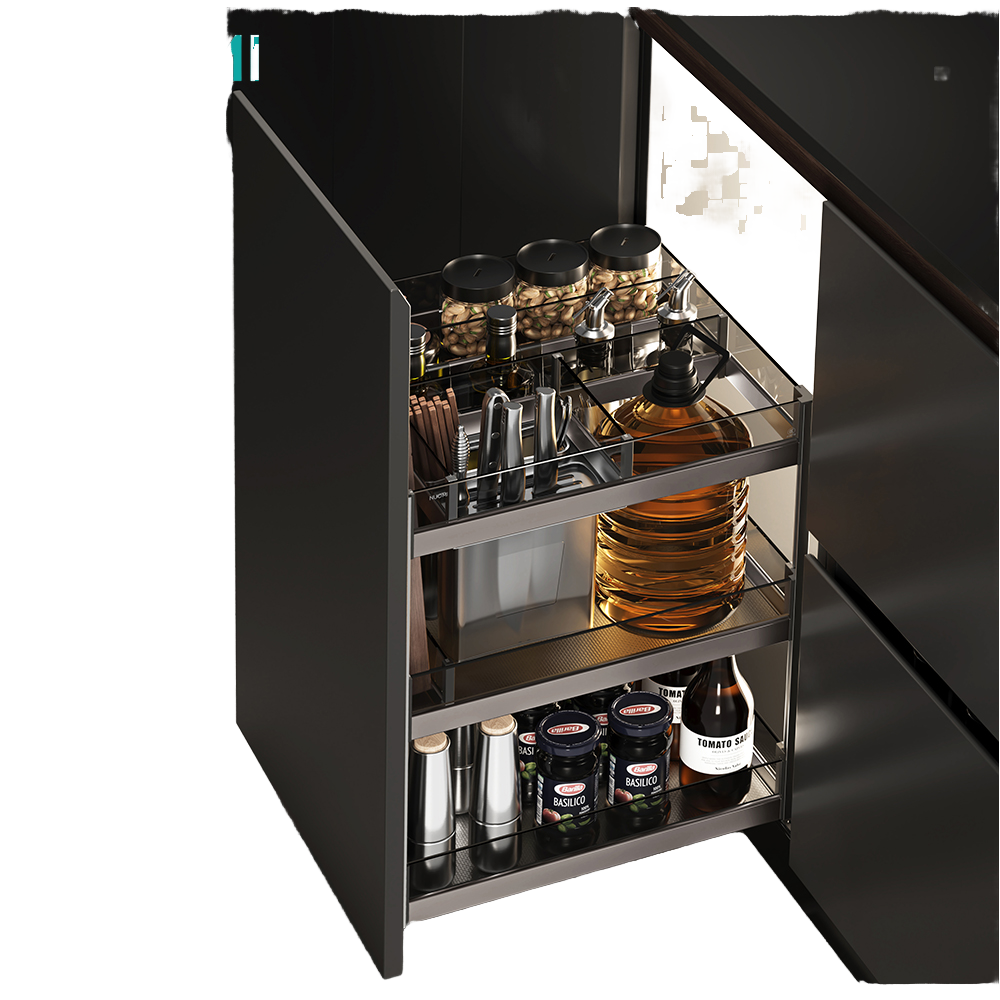
Aluminum Alloy Pull-Out Cabinet Spice Rack Modern Kitchen Pantry Organizer
View Technical Data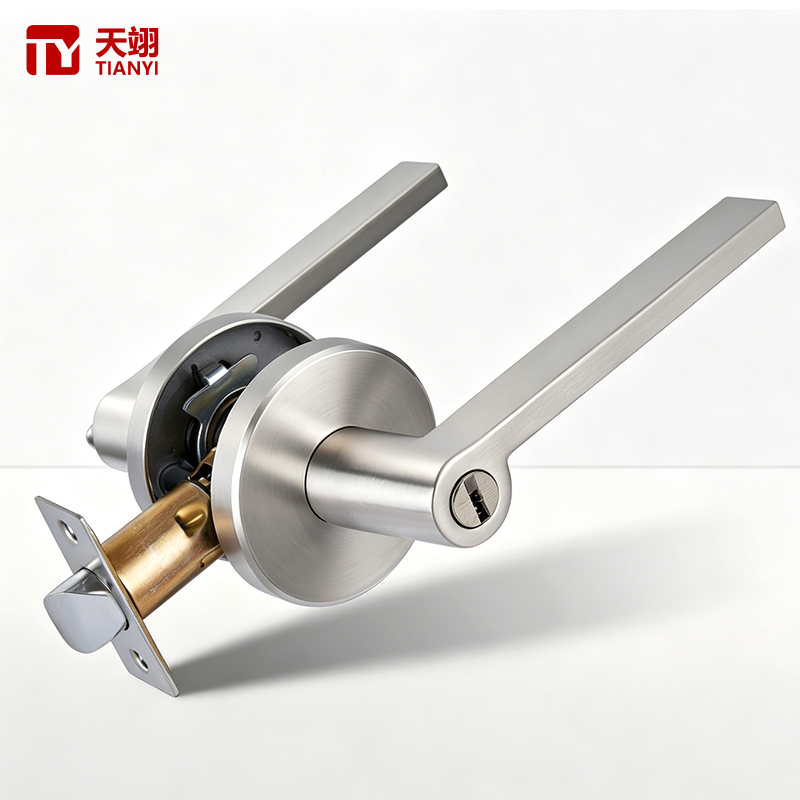
Stainless Steel Lever Door Lockset Brushed Square Handle Tubular Privacy Lock
View Technical Data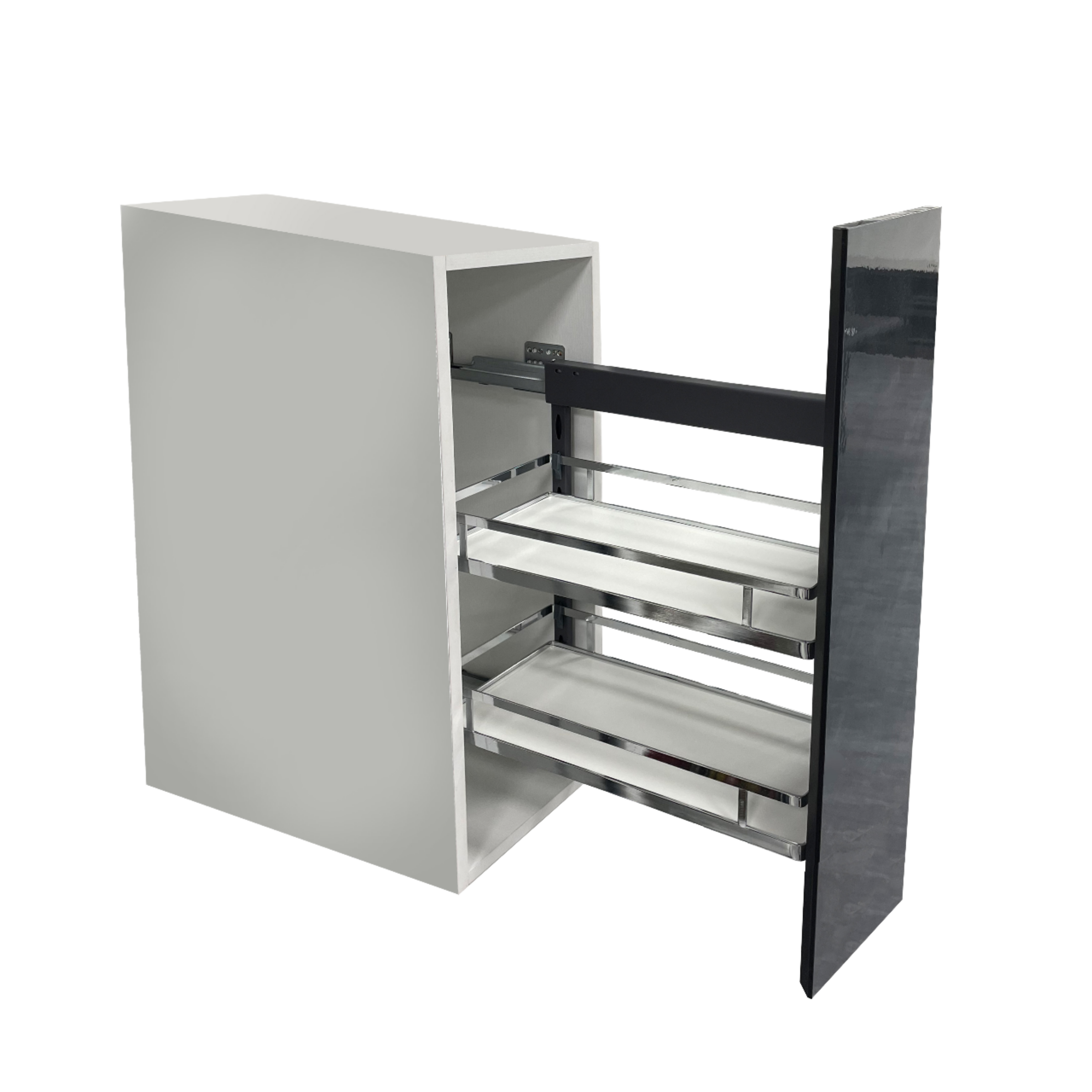
Double Tier Chrome Pull-Out Cabinet Basket Sliding Kitchen Pantry Storage Rack
View Technical Data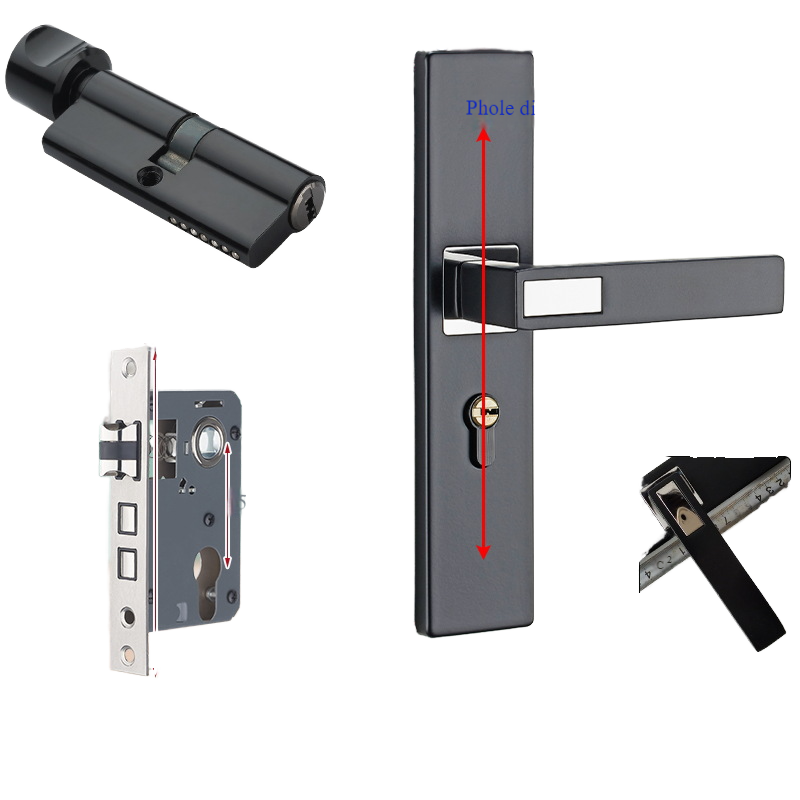
Black Aluminum Furniture Door Lock Set Regular Key 40 x 250 mm Commercial Grade
View Technical Data1. The Evolution of Architectural Cabinet Fittings: Structural Mechanics & Global Trade
Modern architectural cabinetry has shifted from passive timber assembly to dynamic, mechanically integrated systems. As commercial developers, modular millwork fabricators, and high-end residential interior contractors demand tighter tolerances and longer operational lifespans, the selection of cabinet fittings has become a critical engineering parameter. In international trade, the classification of "Cabinet Fittings" spans concealed hydraulic pivot hinges, undermount synchronized runners, double-wall metal drawer systems, extruded architectural handles, and specialized accessibility pull-down baskets.
For cross-border procurement specialists, managing hardware sourcing directly impacts both warranty liabilities and assembly line efficiency. The cost of replacing a compromised hydraulic damping cylinder or rectifying micro-pitting on an electroplated surface in situ far exceeds initial purchasing economies. Consequently, leading global importers and kitchen manufacturers are decoupling from unverified brokers, instead consolidating procurement through audited, technically accountable supply chain integrators that operate within ISO-certified production frameworks.
Cabinet fittings must satisfy multi-axial dynamic load expectations. While static cabinet carcass structures accommodate dead loads, internal hardware components endure dynamic repetitive fatigue, torsional stresses, and localized shear forces under ambient temperature fluctuations and relative humidity extremes. For example, a standard 35mm cup concealed hinge fitted to an 18mm MDF door panel undergoes significant cantilever moment forces every time the door swings beyond 90 degrees. Without precision-forged cold-rolled steel links and calibrated hydraulic cylinders, premature sag, hinge leaf misalignment, and oil leakage will occur within the first 10,000 cycles.
Future Sourcing & Procurement Trends in Global Hardware (2025–2030)
In response to volatile raw material indices, carbon verification mandates, and automated furniture manufacturing lines, the global procurement paradigm for cabinet hardware is undergoing systemic structural changes.
Modular Customization & PVD Nano-Coatings
Electroplating is rapidly transitioning toward eco-compliant Physical Vapor Deposition (PVD) and nano-ceramic passivation. Commercial developers are standardizing on architectural finishes such as deep graphite, champagne bronze, and satin gunmetal that withstand 96-hour neutral salt-spray (NSS) testing while delivering anti-fingerprint properties in heavy-use hospitality environments.
Integrated Kinematics & Concealed Motion
Visible mechanical elements are disappearing. Modern minimalist interiors prioritize handleless cabinetry activated by synchronized push-to-open systems with integrated fluid dampers. The engineering challenge centers on maintaining tactile push feedback while ensuring smooth, rebound-free closure across broad door panels weighing up to 28 kg.
Supply Chain De-risking via SKU Consolidation
Procuring hinges from one manufacturer, undermount slides from another, and pull-out storage baskets from a third creates container under-utilization, uneven production lead times, and mismatched surface patinas. Global importers increasingly favor unified supply integrators capable of consolidating multi-category orders under a unified QC protocol.
2. Quality Assurance Protocols: Engineering Testing Benchmarks
When qualifying an overseas cabinet fittings exporter, professional procurement officers evaluate empirical test documentation rather than marketing collateral. At Xiamen Wudi Hardware, all export lines align with stringent European (DIN EN 15338, DIN EN 15570) and North American (ANSI/BHMA A156.9) performance classifications. The table below delineates the baseline verification metrics applied across our primary cabinet fitting categories:
| Hardware Category | Core Material Grade | Dynamic Fatigue Cycle Test | Corrosion Resistance Benchmark | Structural Load Rating |
|---|---|---|---|---|
| Hydraulic Concealed Hinges | Q235 Cold-Rolled Steel / SUS304 | 80,000 cycles (EN 15570 Level 3) | NSS 48h to 96h (Grade 9 min) | Cantilever failure torque > 20 N·m |
| Undermount Soft-Close Slides | High-Tensile Galvanized Steel | 60,000 to 100,000 cycles | ASTM B117 72h Continuous Salt Spray | 35 kg (Standard) / 60 kg (Pantry) |
| Pull-Out Storage Baskets | SUS304 / Extruded 6063 Aluminum | 50,000 cycles under full payload | Passivated Acid Wash / Powder Coat | 15 kg to 45 kg distributed payload |
| Architectural Furniture Handles | Forged Solid Brass / Die-cast Zinc | Pull-torque test > 500 N axial tension | Electrostatic Lacquer / 96h CASS test | Thread strip resistance > 6 N·m |
| Concealed Wardrobe Locksets | Anodized Aluminum / Zinc Mechanism | 100,000 deadbolt/latch cycles | ISO 9227 Corrosion Compliance | Axial handle load > 1200 N |
Adherence to these mechanical benchmarks ensures that assembled furniture retains consistent alignment over years of consumer utilization, preventing costly post-installation warranty claims in multi-unit commercial developments.
3. Why Global Importers Trust Xiamen Wudi Hardware Products Co., Ltd.
Headquartered in Xiamen, Fujian—a premier maritime export epicenter with direct container trunk lines to North America, Europe, the Middle East, and Southeast Asia—Xiamen Wudi Hardware Products Co., Ltd. serves as a trusted B2B supply partner and hardware exporter. We bridge the critical gap between heavy industrial manufacturing capacities and high-expectation international procurement standards.
- 7+ Years of Export Specialization: Our founding engineering team and international trade specialists bring deep domain competence across structural joinery, dynamic damping mechanics, and global customs documentation.
- Vetted Ecosystem of 50+ Qualified Partner Plants: We do not rely on rigid, single-line factory limitations. We manage and orchestrate an audited manufacturing network featuring automated stamping presses, continuous robotic plating lines, and CNC wire-forming centers.
- Intertek Onsite-Checked Operations: Our physical operational facility, credit background, management workflows, and export legitimacy have undergone strict third-party verification by Intertek, mitigating supplier fraud risks for international buyers.
- Rigorous 3-Stage Quality Control: Every consignment undergoes incoming metallurgical batch validation, in-line kinematic testing (monitoring damping bounce-back speed and rebound curves), and pre-shipment export carton drop tests with photo/video audit reports submitted prior to vessel departure.
- Consolidated Container Logistics & DDP Solutions: Importers can mix hinges, undermount slides, pull-out wire baskets, bespoke brass handles, and stainless steel sinks into a single 40ft HQ container, dramatically lowering logistics overhead and inventory holding costs.
Frequently Asked Questions in Cabinet Fittings Sourcing
Detailed technical answers addressing the operational, financial, and mechanical considerations most frequently raised by corporate procurement executives and hardware distributors.
What Minimum Order Quantities (MOQs) apply for standard vs. custom finishes?
How do you verify alloy composition and prevent corrosion degradation in sea transit?
Can you execute design-based OEM modifications from our 2D/3D CAD drawings?
What damping cylinder technologies are implemented in your soft-close mechanisms?
What Incoterms and international settlement methods do you support?
How does multi-category consolidation work for mixed container consignments?
Accelerate Your Cabinet Hardware Sourcing Today
Submit your tender schedules, technical specifications, or target reference models. Our engineering sales team delivers comprehensive quotes, technical submittals, and complimentary sample programs within 24 hours.