Curated Commercial Hardware Recommendations
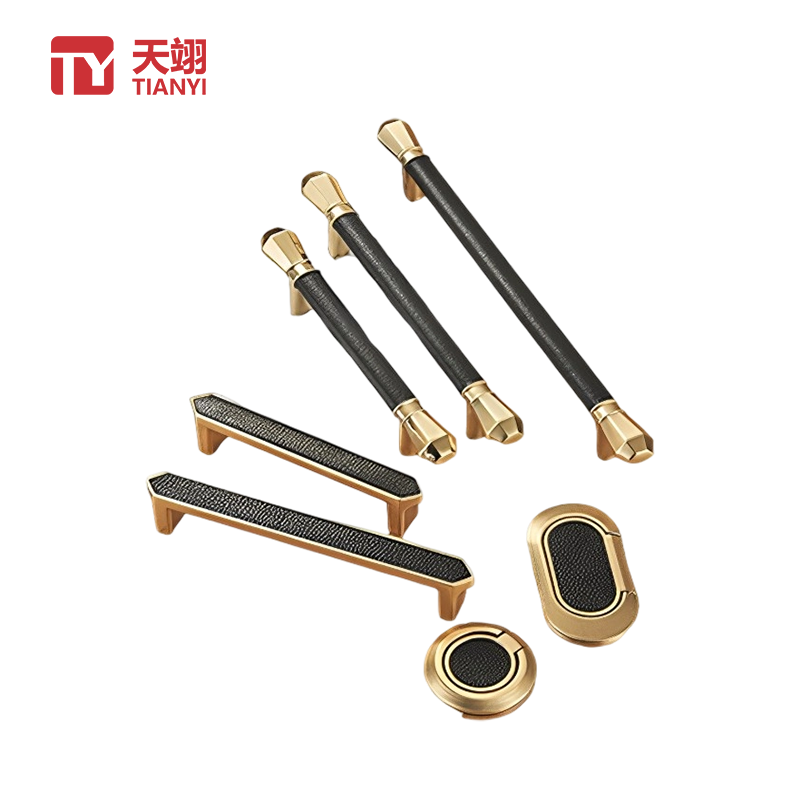
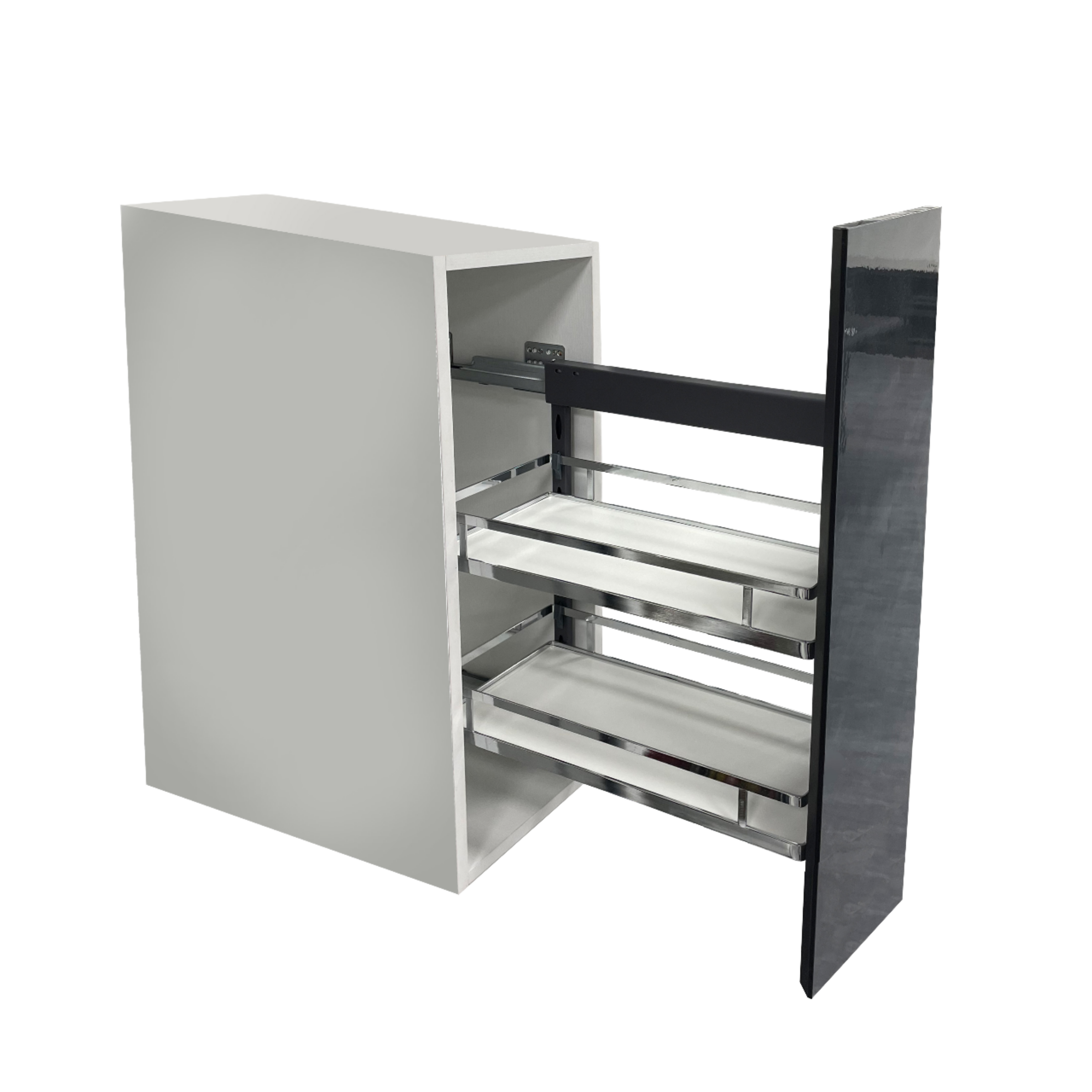
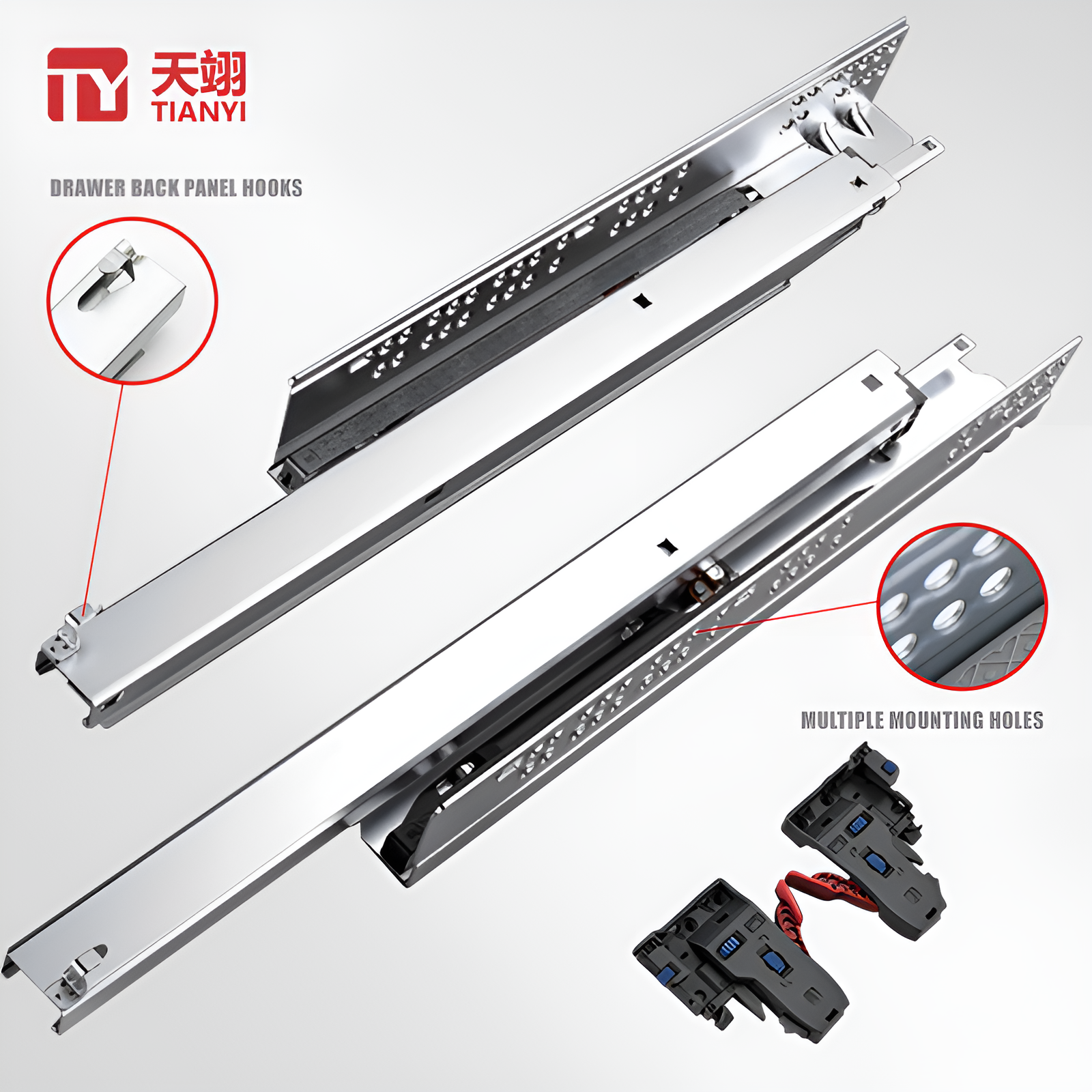
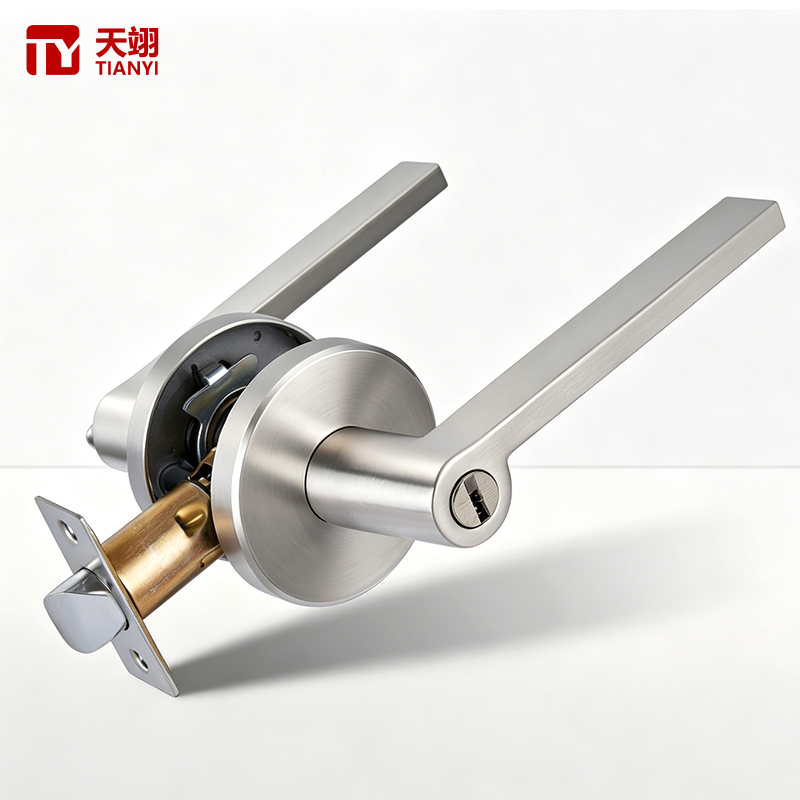
Direct from verified precision production cells: soft-closing functional hinges, concealed drawer systems, smart organizers, and architectural handles engineered for high-cycle resilience.


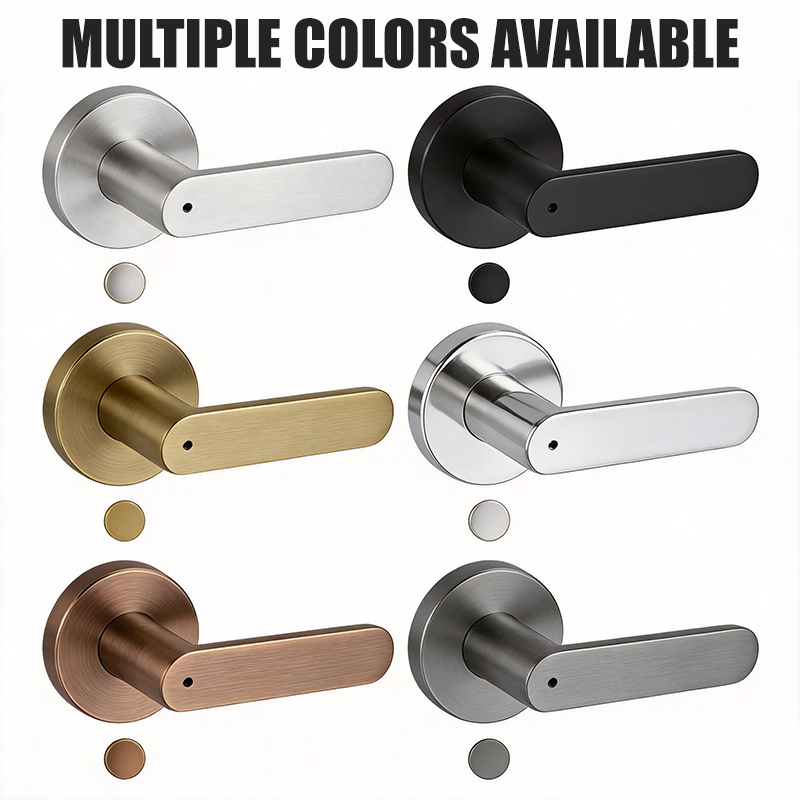
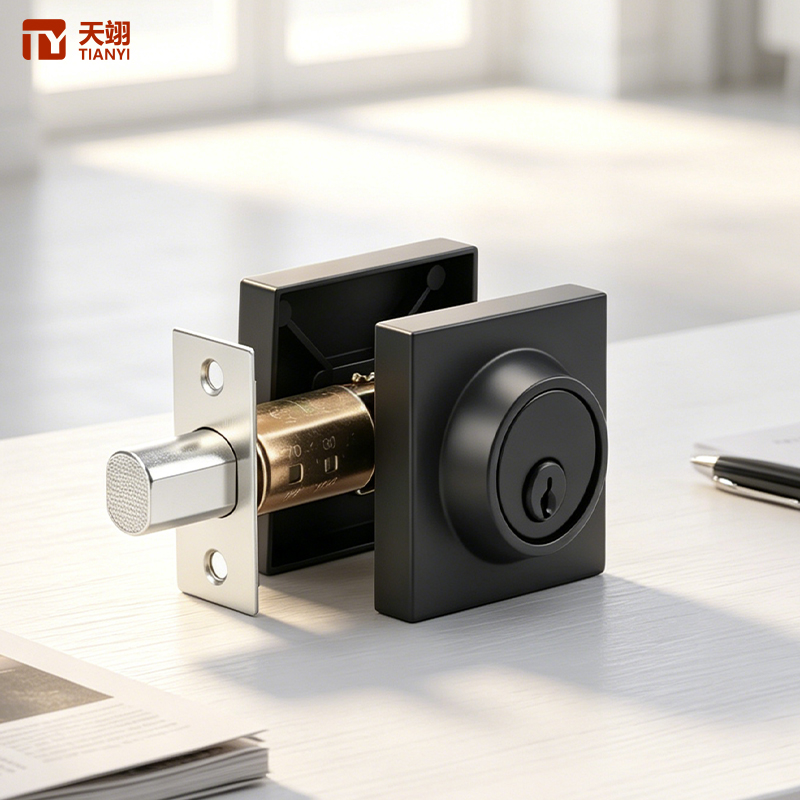
Navigating the Global Hydraulic Hinge Supply Ecosystem
An authoritative metallurgical, mechanical, and logistical evaluation framework designed for chief procurement officers, product developers, and furniture hardware distributors.
Hydraulic Damper Core Integrity
The operational lifespan of a modern soft-closing concealed hinge is predominantly determined by its hydraulic cylinder. Premium Chinese manufacturers incorporate sealed, seamless micro-cylinders filled with high-viscosity synthetic silicone fluids. Unlike petroleum-derived mineral lubricants that degrade under thermal fluctuations (-10°C to 50°C), specialized aeronautical-grade silicone preserves constant kinematic viscosity, effectively eliminating door slamming or abrupt deceleration across over 80,000 continuous action cycles.
Substrate Cold-Rolled vs. SUS304
Material specification dictates environmental survivability. Standard indoor architectural millwork relies on Q235 cold-rolled steel coated via copper under-plating and double-layer nickel electroplating (thickness ≥ 8–10 microns). For high-humidity installations, such as coastal kitchens, bathrooms, and tropical commercial suites, verified suppliers fabricate full-body SUS304 austenitic stainless steel hinges with integrated passivated stainless pistons, delivering exceeding 96 to 120 hours of Neutral Salt Spray (NSS) ASTM B117 compliance.
Kinematic Linkages & Adjustment Cam Tolerance
Concealed hinges depend on multi-rivet articulated linkages. Advanced automated stamping lines utilize cold-heading alloy rivets hardened via high-frequency induction quenching. Coupled with precision eccentric cam adjustment mechanisms (offering 3D spatial calibration: depth -2mm/+2mm, horizontal -3mm/+3mm, and vertical -2mm/+2mm), doors maintain absolute gap alignment even under severe cantilever dynamic loads exceeding 40 N/m door torque without joint drooping.
| Evaluation Parameter | Commercial Grade (Commodity) | Certified Project Grade (Wudi Partner Standard) | Architectural Grade (Heavy Duty/Marine) |
|---|---|---|---|
| Hydraulic Fluid Type | Mineral-oil compound (susceptible to thinning) | High-viscosity aeronautic synthetic silicone | Fluorocarbon inert synthetic silicone |
| Salt Spray Resistance (NSS) | 12–24 Hours (ASTM B117) | 48–72 Hours (Class 8 Finish) | 120–240 Hours (SUS304 / PVD Titanium) |
| Tested Fatigue Durability | 15,000 – 25,000 cycles | 50,000 – 80,000 cycles (EN 15570 Level 3) | 100,000+ certified duty cycles |
| Spatial Calibration | Manual slotted screw release | Integrated eccentric spiral cam 3D tuning | Bi-directional toolless cam locking |
| Door Thickness Compatibility | 16mm – 19mm standard | 14mm – 22mm (35mm shallow cup design) | Up to 32mm (thick profile / aluminum frame) |
Future Procurement Trends for Hydraulic Hinges (2025–2030)
Anticipate shifting supply parameters, emerging metallurgical standards, and geopolitical inventory practices shaping next-generation architectural manufacturing.
1. Consolidation Over Single-Factory Dependence
Global procurement executives are systematically transitioning away from single-product micro-workshops toward integrated multi-category supply partners. Because contemporary millwork and commercial fit-out projects demand unified finishes across cabinet hinges, undermount slides, wardrobe systems, and kitchen storage, purchasing leaders prioritize aggregators capable of consolidating multi-factory product runs into single, quality-audited container freights under DDP logistics.
2. Zero-Defect Automated Robotic Assembly
Manual rivet peening and manual oil filling are rapidly becoming obsolete in top-tier export facilities. The industry benchmark has pivoted to high-speed progressive continuous stamping dies integrated with optical laser vision inspection stations. Systems instantly identify sub-millimeter burrs, microscopic plating pitting, or seal variance during hydraulic piston crimping, driving RMA (Return Material Authorization) ratios down below 0.05% for global OEMs.
3. ESG & Hexavalent Chromium Restrictions
Stricter European REACH, RoHS, and North American consumer health standards have triggered rigorous oversight of electroplating effluents. Leading Chinese production centers have completely phased out toxic hexavalent chromium baths in favor of eco-friendly trivalent passivation and cyanide-free copper plating. Choosing verified suppliers protects global importers against severe customs seizures and regulatory import penalties.
Technological Development Trends in Hydraulic Hardware
From slim profiles to integrated smart kinetic adjustments, review the mechanical paradigms transforming hinge engineering.
Two-Stage Gentle Kinetic Action
Modern consumers reject abrupt latching forces. Advanced damping incorporates two-stage variable hydraulic progression, allowing the door to hover or open freely past 45° without mechanical resistance, while softly engaging braking deceleration between 45° and 0° down to a silent, whisper closure under 20 decibels.
Ultra-Thin Cup Depths
With interior architectural styles favoring ultra-slim 12mm–14mm melamine, acrylic, or compact laminate door leaves, hinge engineering has evolved. Shallow cup designs (milled to depth tolerances under 10.5mm) disperse mechanical leverage stress across an enlarged anchor flange, eliminating substrate punch-through risk.
PVD & Titanium Finishes
Beyond traditional bright nickel, architectural projects demand dark aesthetics: matte obsidian, champagne gold, and brushed graphite. Vacuum Physical Vapor Deposition (PVD) titanium bonding yields hardness ratings surpassing 2000 HV, resisting abrasive key scratches and chemical household detergents indefinitely.
Integrated 3D Linear Baseplates
Cross-wing baseplates are increasingly substituted by minimalist linear baseplates. Featuring pre-mounted expansion dowels and integrated vibration-damped clip mechanisms, installers achieve tool-free single-click panel attachment, reducing onsite cabinet assembly time by up to 40%.
Why Global Importers Partner with Xiamen Wudi Hardware
Established in 2019 in Xiamen, Fujian—China’s premium export maritime center—we eliminate international supply fragmentation by bridging world-class manufacturing with rigorous Western quality assurance.
Audited Supply Alliance (50+ Facilities)
Instead of relying on the operational constraints or single-line capacity of an isolated workshop, we coordinate an integrated ecosystem of over 50 automated production plants. This grants our buyers immense volume flexibility, elastic production scheduling, and competitive factory-direct pricing across diverse product catalogs.
Intertek Onsite Verification
Enterprise credibility is non-negotiable. Our operating headquarters, quality facilities, trade capacity, and legal compliance have undergone rigorous third-party assessment and onsite audit by Intertek. Buyers bypass untrusted trading middlemen and gain transparent manufacturing partners.
Comprehensive CE & Material Traceability
Export compliance is baked into every batch. Our hydraulic hinges, drawer runners, and kitchen systems carry CE conformity declarations. Batch metallurgy certifications guarantee verified SUS304 chromium-nickel content and Q235 cold-rolled gauge integrity before container loading.
Three-Tier Inspection Protocol
Zero compromises on quality control: 1) Incoming metallurgical composition spectrometry, 2) In-line hydraulic cylinder pressure and kinematic testing, and 3) Pre-shipment AQL 1.5/2.5 batch audit covering plating thickness, torque resistance, and transit-ready packaging drop tests.
Complete Whole-House Sourcing
Consolidate your entire product program inside one shipment. Fill a 40HQ container seamlessly with hydraulic hinges, full-extension undermount slides, slim metal drawer systems, stainless steel kitchen sinks, pull-out wire baskets, and wardrobe smart storage accessories without managing multiple suppliers.
Flexible Commercial Terms & DDP Logistics
We streamline cross-border finance and logistics. Supporting T/T, L/C, D/P, D/A, credit cards, and multi-currency billing in USD or CNY, paired with end-to-end DDP (Delivered Duty Paid) marine freight to your distribution facility, we shoulder foreign exchange and customs clearance complexities.
Frequently Asked Questions: Sourcing & Procurement
Clear, technically accurate answers to critical supplier selection questions asked by corporate hardware buyers.
What is the standard Minimum Order Quantity (MOQ) across your hardware categories?
How can international buyers verify that hydraulic hinge cylinders will not leak oil over time?
What are the key technical differences between Full Overlay, Half Overlay, and Inset hinges?
Can Wudi Hardware consolidate diverse products into a single shipping container?
Do you provide OEM and ODM customization services for branding and packaging?
What testing protocols should be demanded prior to bulk container dispatch?
Accelerate Your Hardware Procurement Program
Connect directly with our senior hardware engineering team. Whether requesting immediate project quotes, technical CAD drawings, or consolidated sample packages, our Xiamen export desk responds within 24 business hours.
Contact Us