Featured OEM/ODM Furniture & Cabinet Fittings
Direct-from-factory architectural components built from cold-rolled steel, virgin aluminum alloys, and food-grade SUS304. Each product is engineered to comply with strict ANSI/BHMA, DIN EN 15338, and ISO 9001 performance standards.
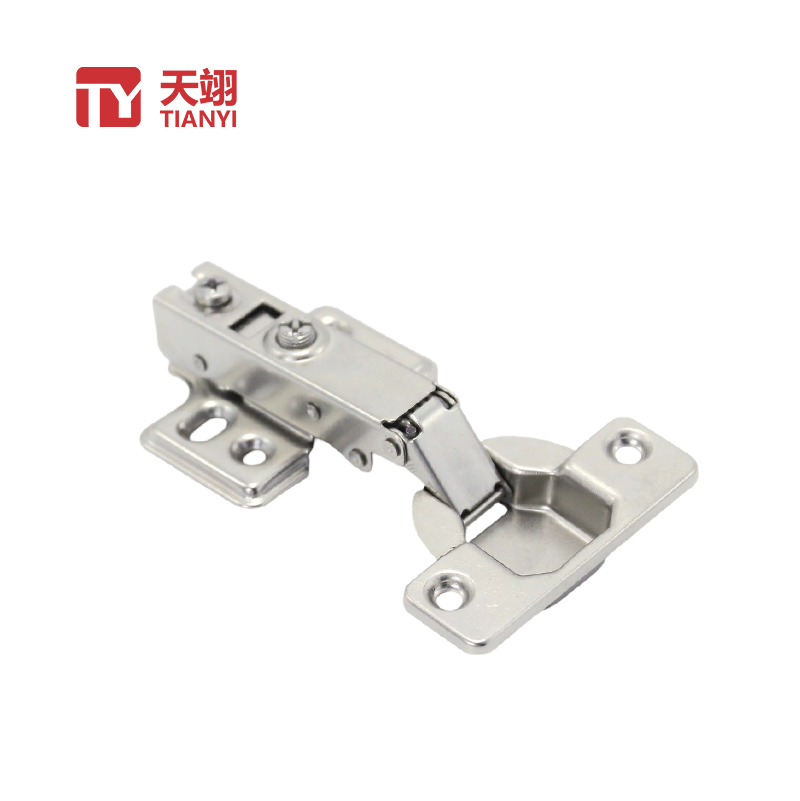
Hydraulic Soft Close Cabinet Hinge 105 Degree Concealed Adjustable Cold Rolled Steel
Plating: Double Multi-layer Nickel
Cup Size: 35mm Standard Bore
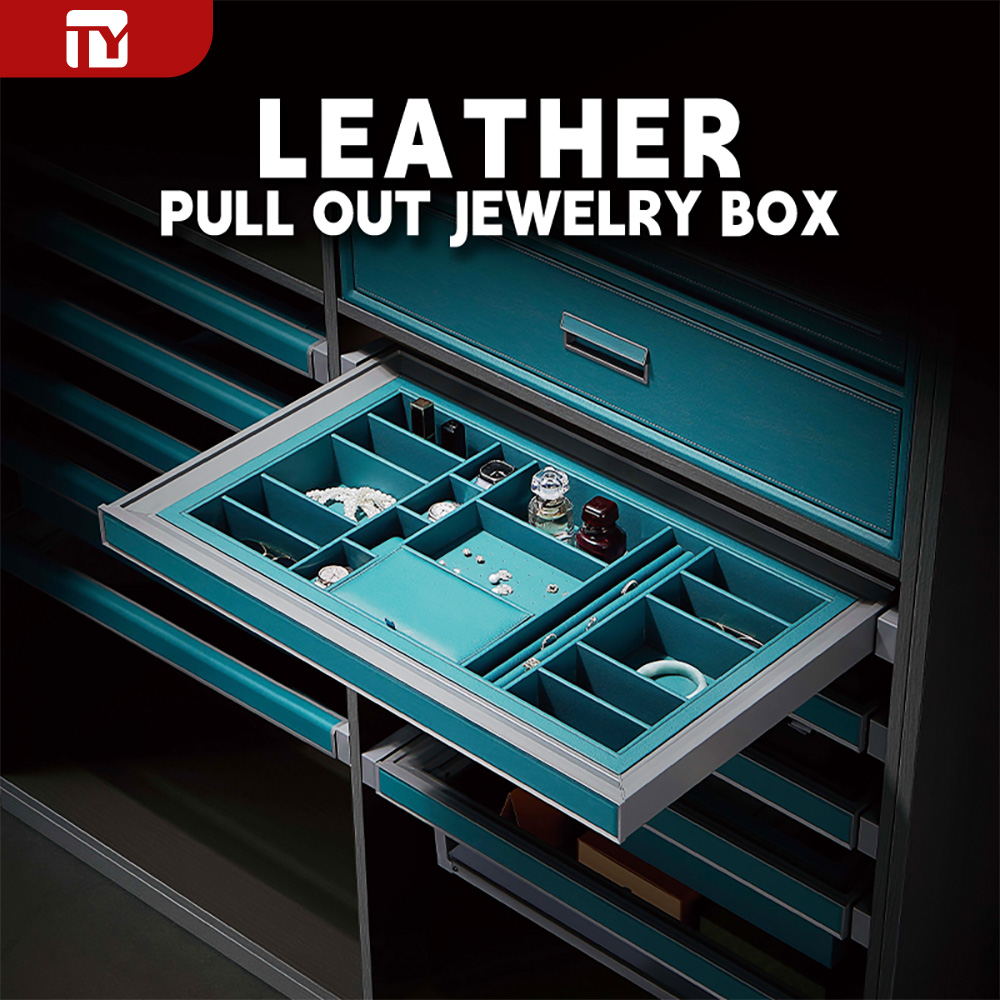
TIANYI TY-9009 Pull Out Jewelry Box Aluminum Alloy Wardrobe Drawer Organizer Tray
Lining: Microfiber Velvet / PU Leather
Glides: Synchronized Undermount
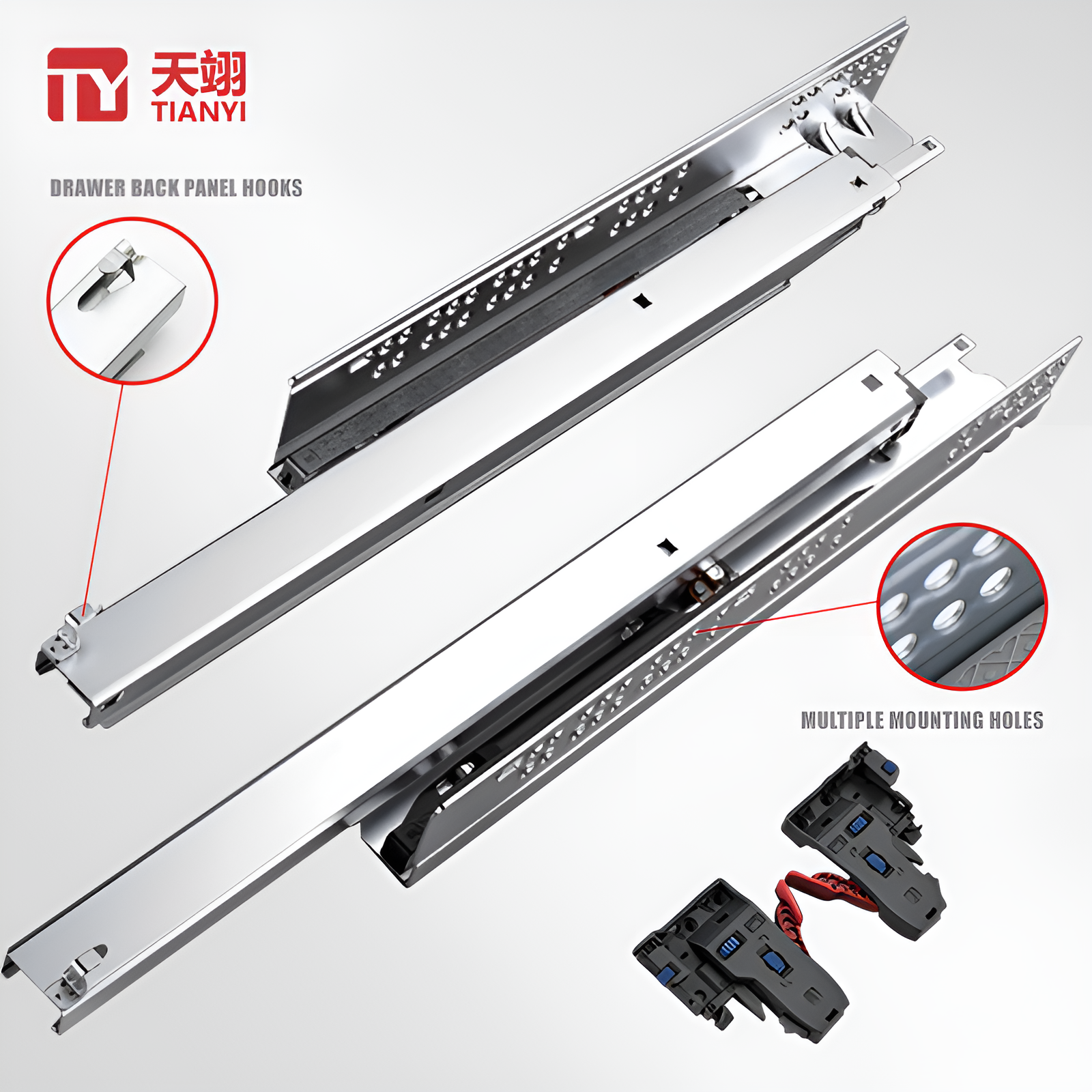
3D Adjustable Soft Close Concealed Drawer Slides Silent Full Extension Cold Rolled Steel
Tolerances: ±0.05mm Precision Stamping
Dynamic Load: 35kg - 45kg Certified
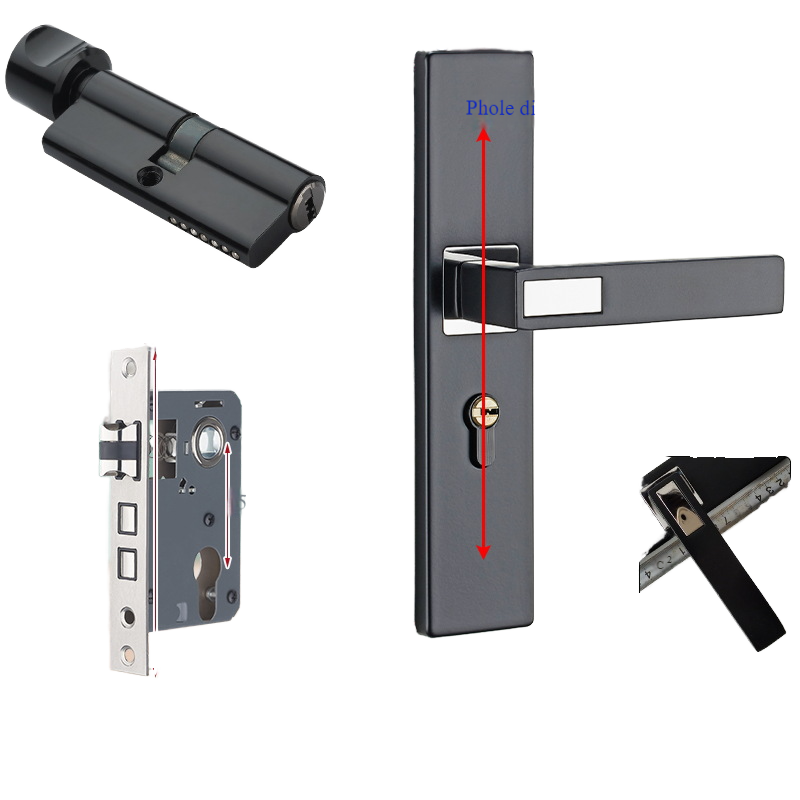
Black Aluminum Furniture Door Lock Set Regular Key 40 x 250 mm for School Office
Finish: Matte Black Powder Coated
Cylinder: Solid Brass Pin Tumbler
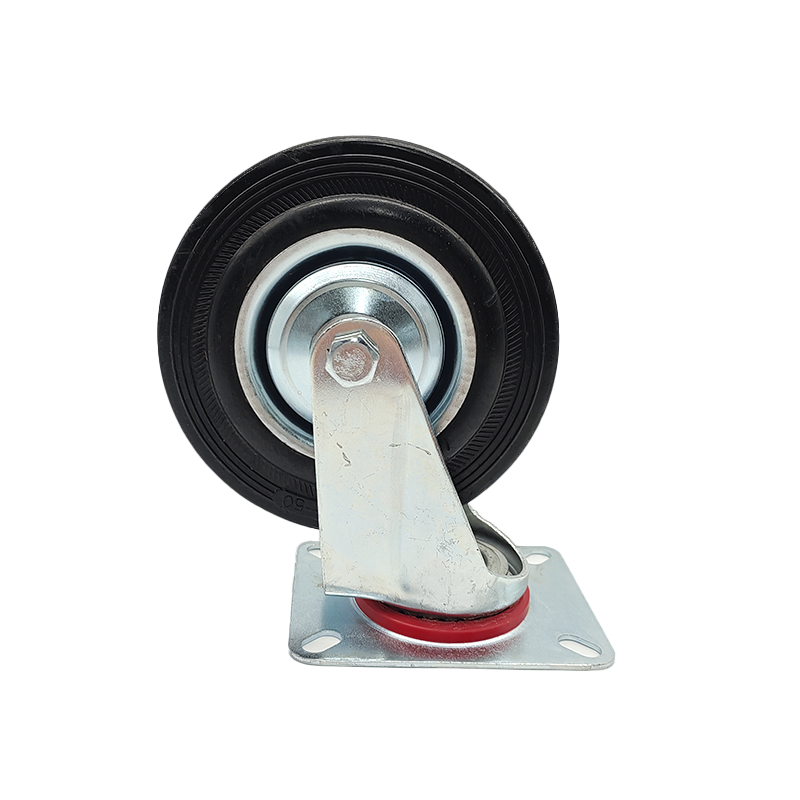
50mm Black Nylon Swivel Furniture Caster with Brake Contemporary Rolling Wheel
Brake Mechanism: Dual-Action Lock
Load Rating: 50kg/Wheel Dynamic
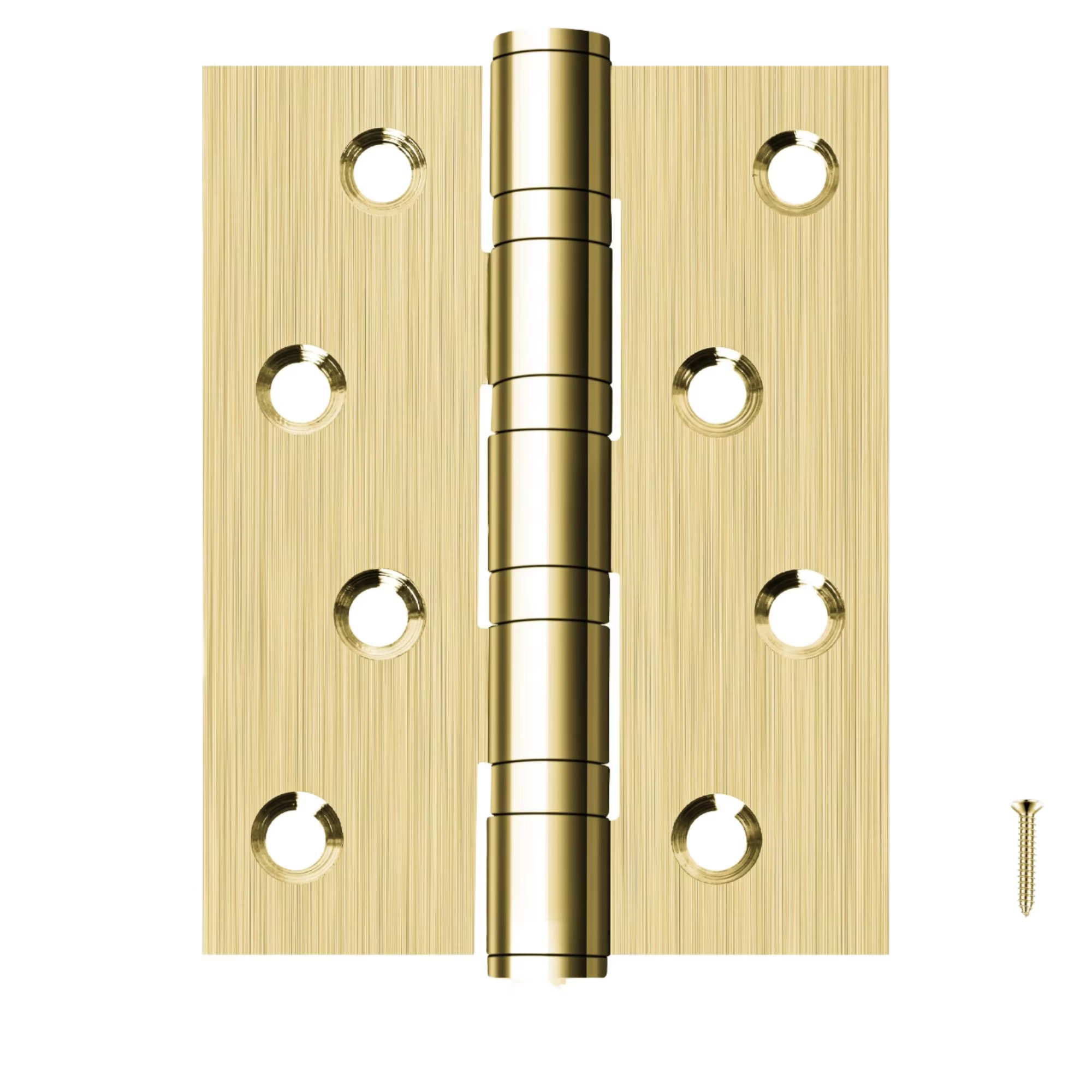
Stainless Steel 201 304 Door Hinge 2.5 mm Antirust 4BB Eight Hole Furniture Hardware
Bearing: 4 Ball Bearings (4BB)
Salt Spray: ASTM B117 > 96 Hours
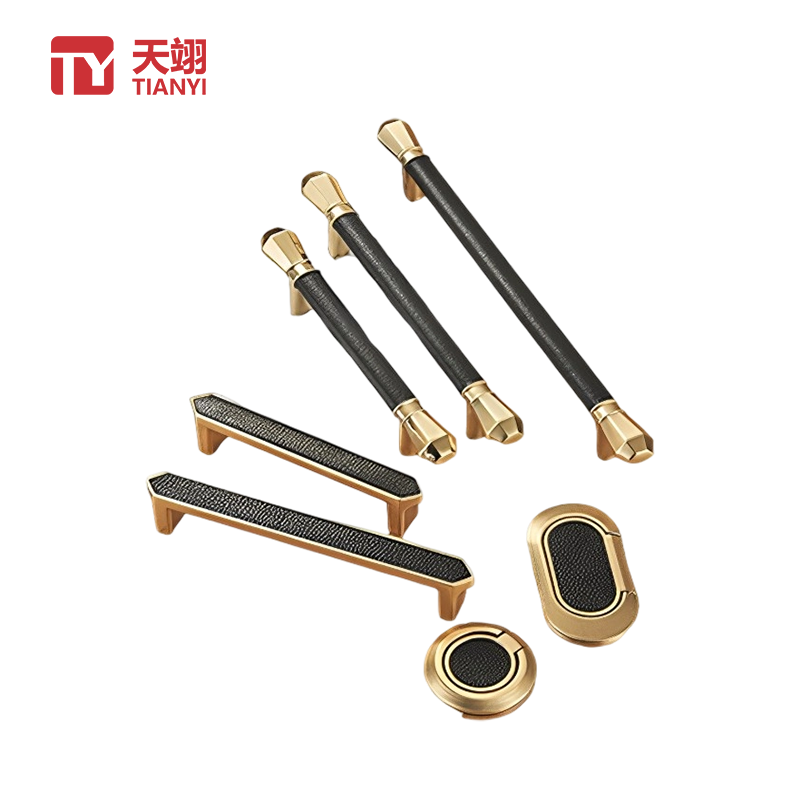
Zinc Alloy Cabinet Handles Modern Drawer Pulls Wardrobe Dresser Knobs Black Brass
Treatment: Electroplated Multi-Pass
Ergonomics: Beveled Anti-Snag Edge
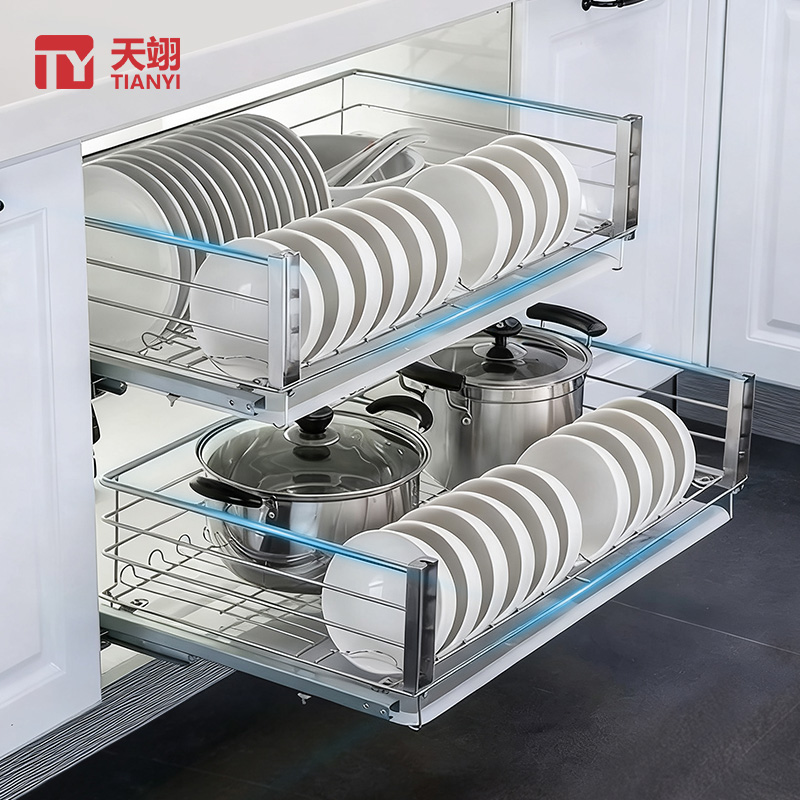
TIANYI Pull-Out Dish Basket Two-Tier Cabinet Organizer Soft Close Kitchen Storage Rack
Trays: Detachable SUS304 Drip Trays
Slides: Heavy Damped Bottom Rail
Engineering Architecture of High-Reliability Furniture Fittings
In modern commercial interior development and mass-scale cabinet fabrication, hardware fittings are no longer treated as simple mechanical accessories; they represent the core mechanical failure points of the entire cabinetry system. International procurement directors, commercial millwork engineers, and OEM brand buyers operate in an environment characterized by stringent warranties, cyclic fatigue risks, and complex global regulatory compliance. Achieving institutional-grade reliability demands rigorous metallurgical specifications, repeatable dimensional tolerances via progressive multi-stage cold stamping, and advanced micro-hydraulic fluid dynamics.
Alloy Metallurgy & Structural Integrity
We mandate high-tensile Q195 and Q235 cold-rolled steel for all stress-bearing hinge links and slide bodies, maintaining an elastic modulus exceeding 200 GPa. For marine, bathroom, and high-humidity kitchen installations, authentic austenitic SUS304 and SUS316 stainless alloys are deployed, strictly verified via optical emission spectrometry to prevent premature intergranular rust.
Micro-Hydraulic Damping Dynamics
Mechanical spring rebound causes cumulative carcass delamination. Our silent-closing hinges and drawer rails incorporate precision-machined brass and aircraft-grade aluminum hydraulic cylinders charged with high-viscosity, silicone-based damping fluid. This guarantees constant-velocity deceleration across an extreme operating spectrum of -20°C to +55°C without kinetic leakage.
Surface Passivation & Salt Spray Resistance
To resist domestic organic acids and atmospheric chlorides, our electroplated product lines undergo multi-tier pre-treatment: alkaline degreasing, ultrasonic electro-cleaning, cyanide-free acid copper strike, semi-bright nickel barrier, and microscopic flash chrome sealing. This surpasses 72-hour ASTM B117 neutral salt spray thresholds without signs of red rust.
| Performance Dimension | Standard Market Grade (Tier-3) | Wudi OEM/ODM Industrial Spec | Procurement Impact / Failure Prevention |
|---|---|---|---|
| Hydraulic Cylinder Seals | Recycled NBR rubber; single-lip | Automotive-grade Fluoroelastomer (FKM) Dual-Seal | Prevents fluid degradation, preventing hinge slamming over 7+ years |
| Slide Steel Thickness | 0.8mm - 1.0mm nominal gauge | 1.2mm x 1.2mm x 1.5mm Q235 Cold Rolled Steel | Eliminates drawer sag under dynamic loads up to 45kg at full extension |
| 3D Adjustment Tolerances | ±1.5mm crude single-cam screw | ±2.5mm Vertical, Horizontal & Depth Precision Worm | Reduces job-site cabinet installation labor costs by 35% |
| Neutral Salt Spray (ASTM B117) | 16 - 24 Hours (frequent white rust) | 48 - 96 Hours (Mirror Nickel / Electrophoretic Coat) | Zero corrosion callbacks in high-salinity coastal export zones |
| Cyclic Fatigue Certification | 15,000 - 25,000 cycles | 50,000 - 100,000 verified kinematic cycles | Exceeds ANSI/BHMA A156.9 Level 1 Institutional Durability Standards |
Future Procurement Trends Transforming the Global Hardware Sector
Strategic supply chain managers are recalibrating procurement frameworks to address automation, sustainable building standards, and changing demographic lifestyles. Below are the transformative trends defining 2025–2030 sourcing contracts.
1. Multi-Category Container Consolidation
Rising LCL handling costs and inventory carrying fees have made dealing with fragmented specialty factories inefficient. Procurement teams are moving toward single-point consolidated shipments where hinges, undermount slides, pull-out pantry mechanisms, stainless sinks, and wardrobe systems ship within synchronized 40ft High Cube containers—optimizing volumetric fill rates and lowering landed freight cost per kilogram.
2. Material Traceability & Environmental Compliance
With the enforcement of the EU Carbon Border Adjustment Mechanism (CBAM) and strict RoHS/REACH chemical directives, importers are requiring batch-specific mill test certificates. Sourcing protocols now mandate non-cyanide passivation, hexavalent-chromium-free galvanization, and verifiably recyclable space aluminum alloys to support LEED-accredited construction projects.
3. Direct-to-Factory OEM/ODM Tooling Integration
Generic catalog buying offers limited brand differentiation and leaves sellers exposed to price wars. Leading furniture hardware brands are investing in proprietary stamping tooling, customized damper resistance profiles calibrated for specific door weights, and laser-etched OEM branding to lock in replacement hardware ecosystems and maintain healthy distribution margins.
Product Development Trends: The Next Generation of Functional Hardware
The convergence of minimalist interior aesthetics and ergonomic functionality is driving mechanical hardware innovation across three core design axes.
Concealed & Slim-Profile Hardware
Thick-walled drawer boxes are being replaced by ultra-slim metal box drawer systems with 13mm double-wall side panels. In hinges, the industry is transitioning to 165° zero-protrusion hinges that clear pull-out pantry baskets without bumper strips, alongside fully concealed pivot hinges built into the top and bottom carcase panels for seamless handleless architecture.
Hybrid Push-to-Open Soft-Close Integration
Historically, push-to-open and soft-close mechanisms were mechanically incompatible without complex electronic solenoids. Contemporary R&D has perfected dual-action mechanical runners that trigger immediate release on a light push, followed by smooth hydraulic braking during closure, eliminating the need for exterior cabinet handles in minimalist spaces.
Smart Electromechanical Storage Accents
Wardrobes and kitchen cabinets are evolving from static storage into automated spaces. Biometric fingerprint-actuated safe drawers, LED digital display multi-spray sinks, and motorized vertical wardrobe lift rods with soft-start micro-actuators are moving from custom luxury homes into production lines for mid-to-high-tier residential fit-outs.
Why Global Importers Source With Wudi Hardware
Based in Xiamen, Fujian—China's primary maritime gateway for precision hardware manufacturing—Xiamen Wudi Hardware Products Co., Ltd. combines specialized manufacturing with multi-category supply chain integration.
Consolidated 50+ Factory Alliance
Rather than limiting buyers to a single manufacturing facility's fixed capabilities, we operate an integrated consortium of over 50 audited, highly automated partner factories. This allows our clients to consolidate hydraulic hinges, concealed undermount slides, pull-out wire baskets, handmade SUS304 sinks, and wardrobe organizers into one managed production schedule and a single verified bill of lading.
Intertek Onsite Verification & CE Lines
Transparency underpins our international trade operations. Our operations, facilities, and compliance frameworks have undergone rigorous onsite inspection by Intertek. Our production runs carry documented CE marking and follow ISO 9001 certified quality control systems—ensuring immediate acceptance by European and North American customs authorities without import delays.
3-Tier Rigorous Quality Assurance Protocol
Quality control is integrated across every manufacturing step: Tier-1 raw material chemical verification (spectrometric metal testing); Tier-2 automated in-line kinematic cycle monitoring during stamping and assembly; and Tier-3 pre-shipment ANSI/BIFMA load, clearance, and salt-spray testing. Importers receive full QC reports complete with high-resolution photographic and video documentation.
Comprehensive OEM/ODM Tooling Capabilities
We support both design-based manufacturing and complete bespoke custom fabrication. From CAD/CAM mold engineering for unique handle profiles and custom hinge bases to calibrated damper force adjustments, custom electroplating finishes (including PVD gunmetal, champagne gold, and brushed brass), and private-label retail barcoding—we build customized hardware lines for our partners.
Full DDP Door-to-Door Logistics Execution
We remove maritime shipping friction for our overseas partners. Our dedicated logistics team manages container drayage through Xiamen Port, customs documentation, export clearings, bonded warehouse consolidation, and complete DDP (Delivered Duty Paid) fulfillment directly to your distribution center, handling all duties, tariffs, and inland port transit smoothly.
Flexible Low-Risk Procurement Tiers
We mitigate balance sheet exposure for growing hardware brands. While container-volume orders receive optimized factory-gate pricing, our catalog lines feature low start-up trial MOQs (hinges starting from 44 pieces, undermount slides from small production runs), backed by secure international transaction terms including T/T, L/C at sight, D/P, and credit lines.
Hardware Procurement & Engineering FAQ
Direct answers to the technical, logistical, and commercial questions most commonly raised by B2B purchasing agents, engineers, and supply chain analysts.
Standard off-the-shelf items maintain low trial thresholds: concealed cabinet hinges start from 44 pieces, drawer slides from 1–10 pairs, kitchen sinks from 1 set, and kitchen wire baskets from 1–2 master cartons. For full OEM customization—including custom laser-etched branding, bespoke stampings, non-standard finish electroplating (such as matte black, PVD gold), or private-label blister packaging—production MOQs typically start at 1,000 to 3,000 units depending on the tooling requirements.
We operate a strict raw material acceptance protocol. Every steel batch from our metal suppliers is accompanied by a verifiable Mill Test Certificate (MTC). Upon factory arrival, our QC engineers use handheld Optical Emission Spectrometers (XRF analyzers) to verify Carbon, Manganese, Phosphorus, and Nickel percentages. Stainless steel lines (SUS304 vs. 201) undergo chemical reagent testing and continuous 48-to-96-hour neutral salt spray audits to eliminate corrosion risks.
Yes. Consolidating mixed-category shipments is a core strength of our Xiamen central hub. Instead of managing multiple suppliers across different provinces, you can combine hydraulic hinges, heavy-duty drawer slides, wire pantry pull-outs, handmade 304 sinks, and wardrobe jewelry boxes into a single consolidated 20GP or 40HQ container. We handle inter-factory transit, quality inspections, palletization, and unified container packing lists under one bill of lading.
Our core product lines hold formal CE declarations of conformity and pass mechanical load standards equivalent to ANSI/BHMA A156.9 (American National Standard for Cabinet Hardware) and DIN EN 15338 (European hardware durability criteria). Our primary facilities are onsite-checked by Intertek, and third-party inspection firms (e.g., SGS, TÜV, Bureau Veritas) are regularly accommodated for client-commissioned pre-shipment container audits.
Standard catalog orders are dispatched within 10 to 18 business days. For customized OEM/ODM runs requiring new tooling, mold fabrication requires 20 to 30 days, with mass production completing within 25 to 35 days post-sample approval. Being located minutes from the deep-water Port of Xiamen allows us to secure preferred container vessel slots, direct carrier bookings, and weekly feeder connections across North America, Europe, Oceania, and Southeast Asia.
We maintain a verified defect rate below 0.15% across all shipped product lines. Our contracts include a clear quality guarantee: any component exhibiting hydraulic cylinder leakage, mechanical fatigue, or plating delamination within the agreed warranty window (ranging from 3 to 5 years depending on specification) is documented via digital photographic review and promptly credited or replaced in the subsequent container run at our expense.
Accelerate Your Hardware Supply Chain With a Verified Factory Partner
Download our comprehensive 2025/2026 Architectural Hardware Master Engineering Catalog. Review complete technical CAD blueprints, load ratings, salt-spray certifications, and volume pricing matrices for your upcoming procurement cycle.