Engineered Drawer Systems & Architectural Hardware
Directly integrated with certified manufacturing lines across Fujian and Guangdong. Sourced, verified, and consolidated with unified European and North American compliance standards.
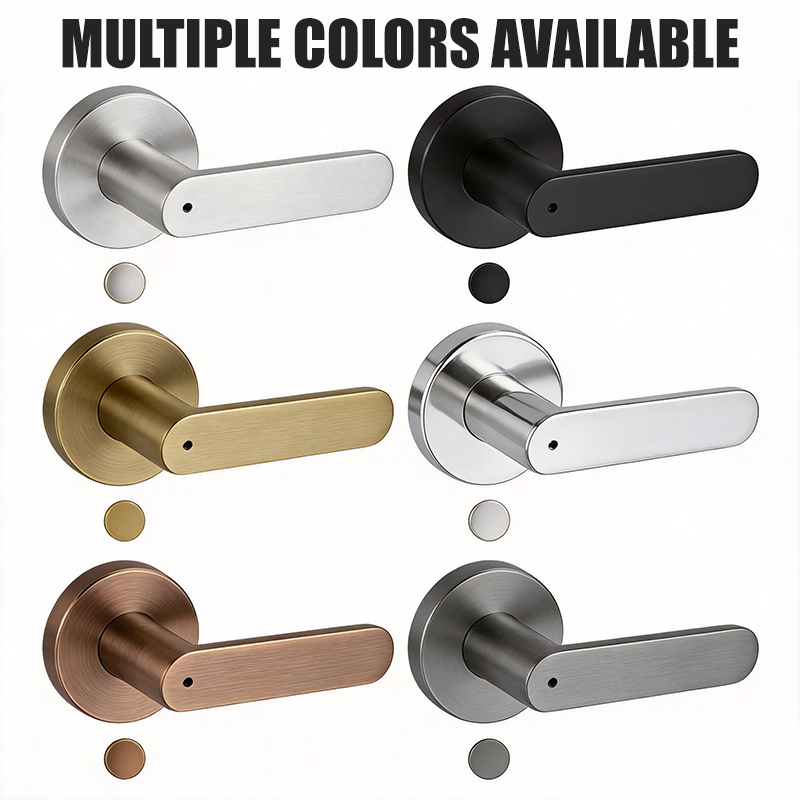
Modern Stainless Steel Mortise Door Handle Set Split Lever Furniture Lock Metal Key 90 Degree Rotation Interior Entrance Hardwar
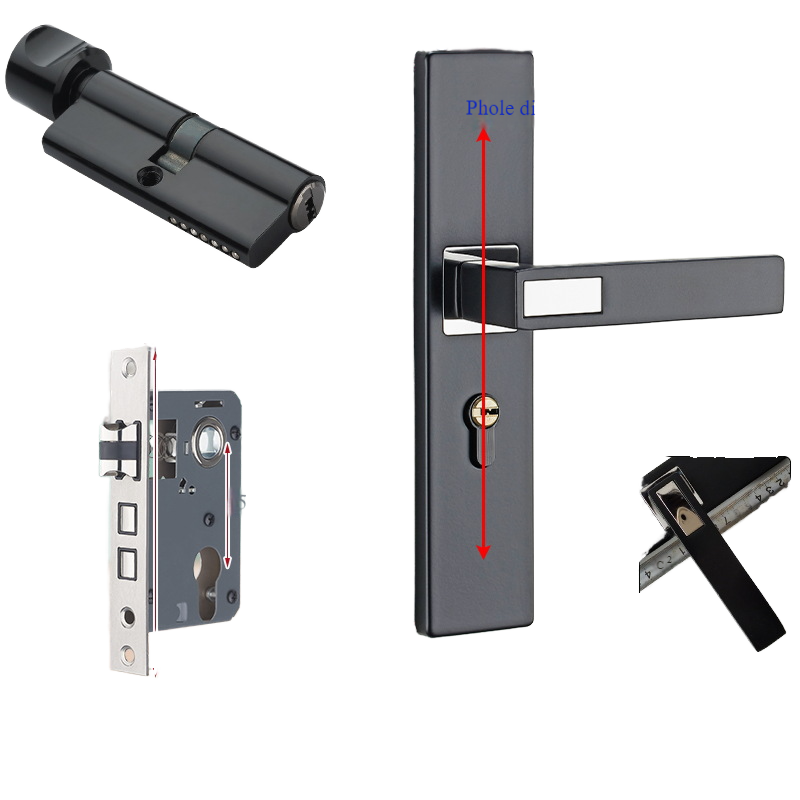
Black Aluminum Furniture Door Lock Set Regular Key 40 x 250 mm for School Office
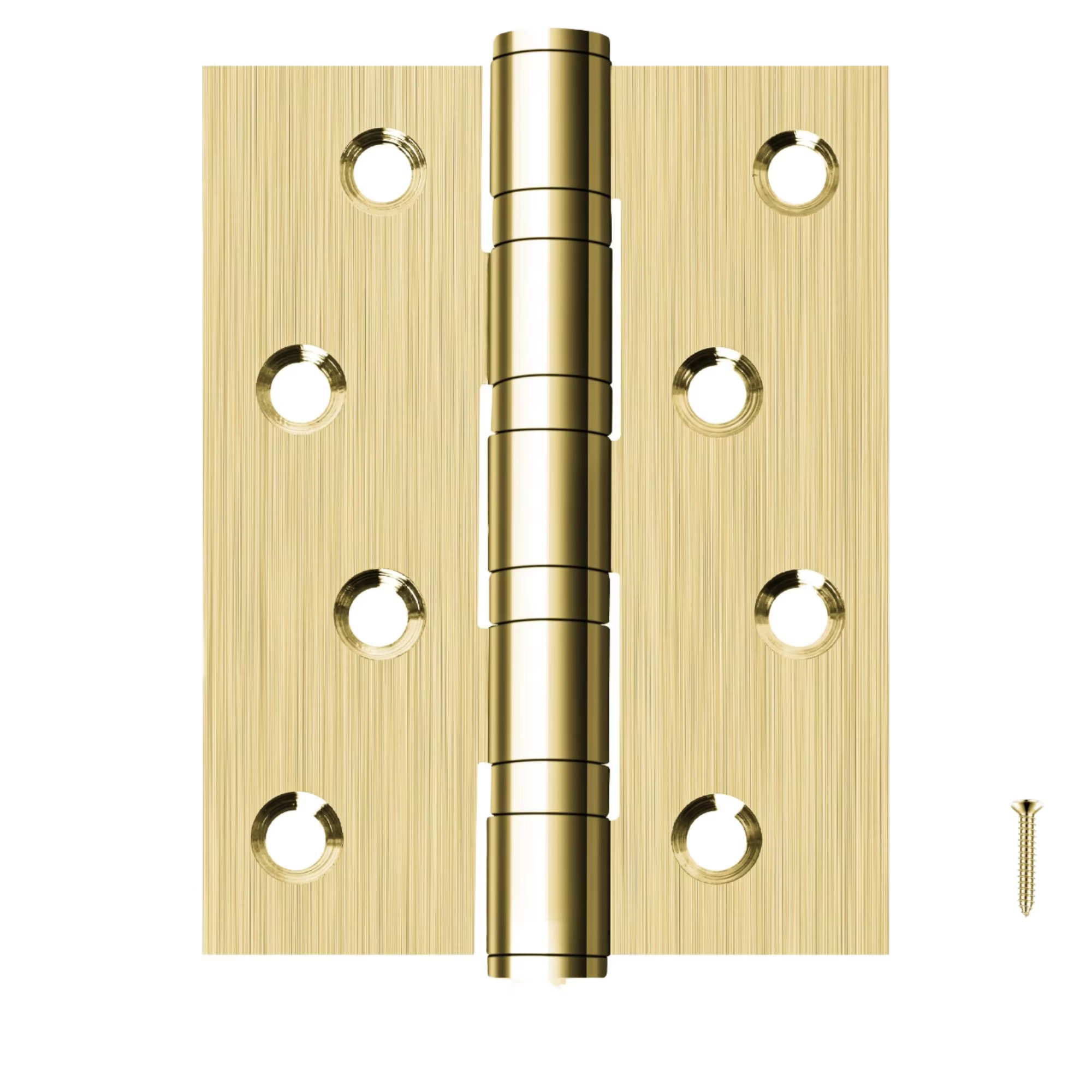
Stainless Steel 201 304 Door Hinge 2.5 mm Antirust 4BB Eight Hole Furniture Hardware for Kitchen
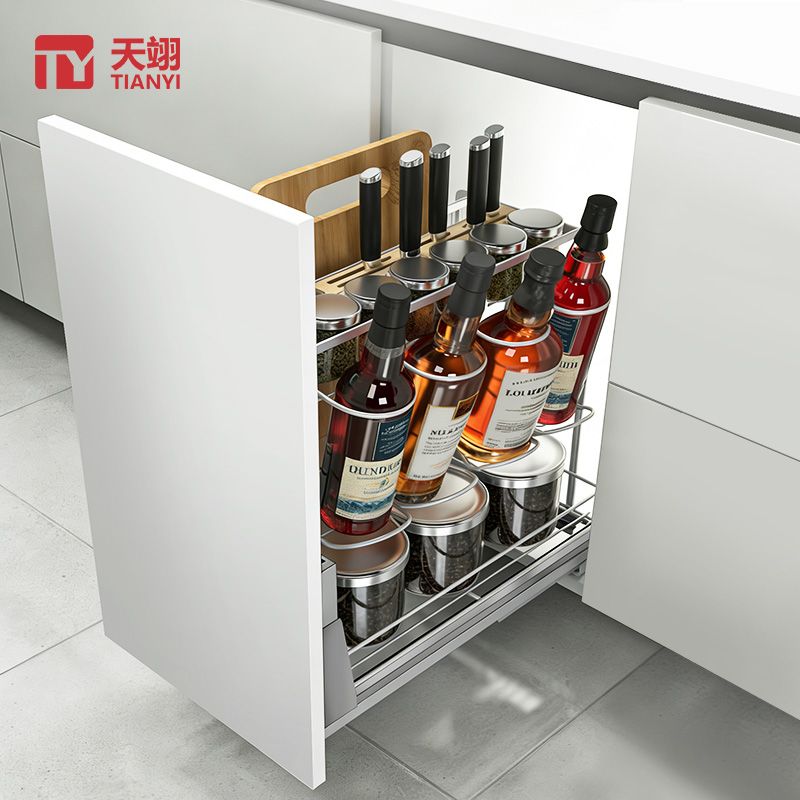
Stainless Steel Pull Out Kitchen Cabinet Spice Rack Flat Wire Seasoning Basket Knife and Cutting Board Holder
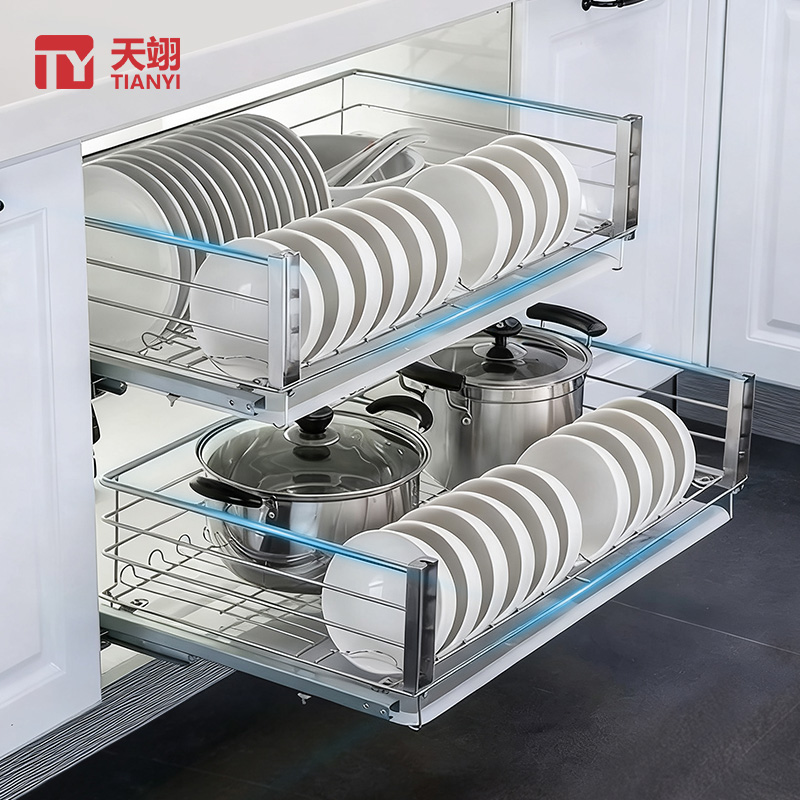
TIANYI Pull-Out Dish Basket Two-Tier Cabinet Organizer Soft Close Kitchen Storage Rack
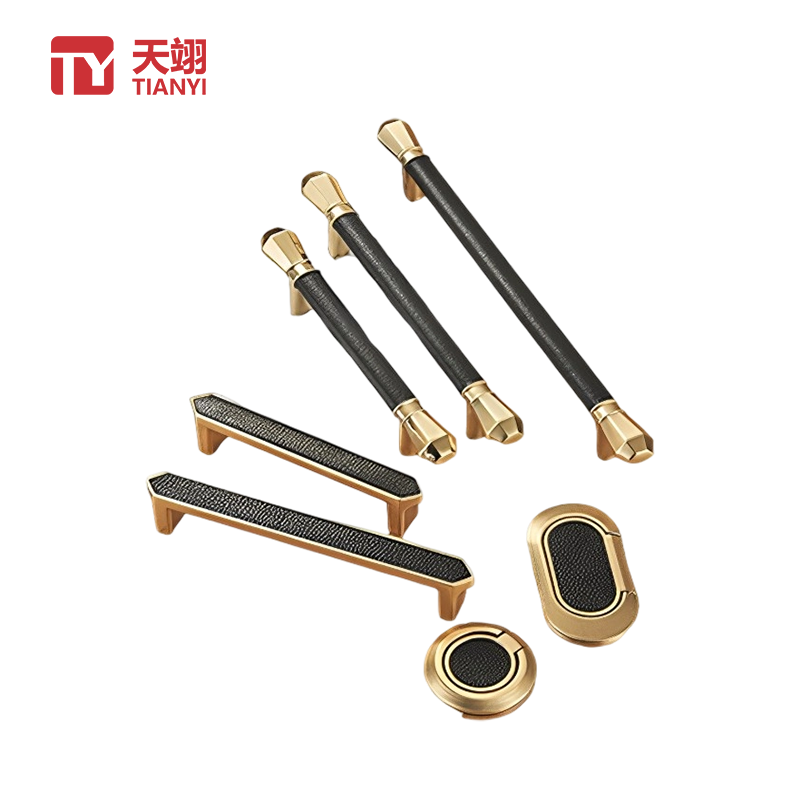
Zinc Alloy Cabinet Handles Modern Drawer Pulls Wardrobe Dresser Knobs Black Brass 96mm 128mm Furniture Hardware
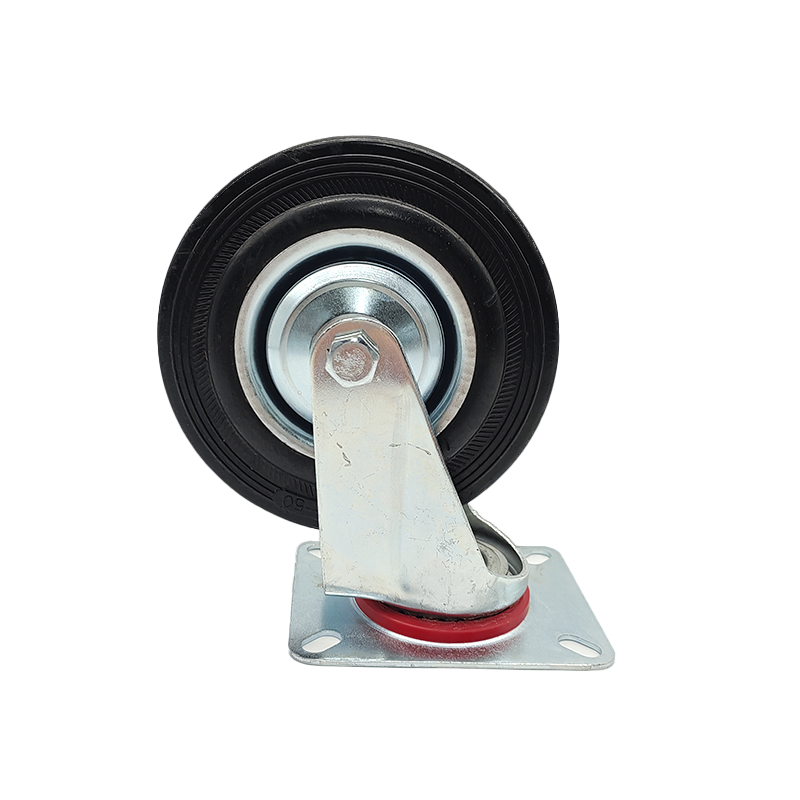
50mm Black Nylon Swivel Furniture Caster with Brake Contemporary Rolling Wheel for Home Office Kitchen Bathroom Living Room

Modern 2 Tier Blind Corner Swing Out Tray Rotating Fly Moon Basket Chrome Kitchen Cabinet Organizer
Why Global Importers Partner with Wudi Hardware
Operating from Xiamen, Fujian, Xiamen Wudi Hardware Products Co., Ltd. solves the core vulnerability of international procurement: fragmented quality control and split-shipment logistics.
Intertek Onsite Audited
Verified legal status, production infrastructure, operational accountability, and environmental compliance, eliminating offshore intermediary risks for institutional purchasers.
50+ Qualified Partner Facilities
High-volume automatic roll-forming, precision stamping, and automated electrostatic powder coating lines consolidate hinges, full-extension slides, and baskets into single 40HQ containers.
Full DDP Consolidation
Seamless door-to-door delivery encompassing customs clearance, inland freight, tariff execution, and cross-category packaging harmonization across North America, Europe, and the Middle East.
Rapid 24-Hour Engineering RFQ
Direct communication with bilingual mechanical engineers who assess tolerance clearances, cyclic fatigue ratings, and finish coatings against technical blueprints.
Kinetic Engineering of Full Extension Drawer Slides: Materiality & Dynamics
In modern commercial casework, residential architectural cabinetry, and industrial storage fixtures, the drawer slide serves as the primary kinetic interface between the user and the furniture architecture. A full extension drawer slide allows the drawer box to travel 100% beyond the cabinet face frame, affording uninhibited vertical and horizontal access to the furthest interior corners. As a premier China manufacturer and integrated hardware supplier, Wudi Hardware approaches slide manufacturing not merely as metal stamping, but as high-tolerance kinetic engineering governed by rigorous tribology, structural metallurgy, and fluid dynamics.
The mechanical core of high-performance slides relies upon three nested members: the stationary cabinet member, the intermediate progressive member, and the dynamic drawer member. Under severe dynamic loads (ranging from standard residential 35 kg to industrial tool chest ratings of 200 kg+), the profile integrity of these sections dictates the slide's deflection coefficient. We utilize premium cold-rolled steel (grades Q235 and SGCC) that undergo continuous high-speed precision roll-forming rather than rudimentary brake-press folding. This continuous roll-forming maintains uniform molecular crystalline alignment through the radius profiles, preventing localized stress risers and lateral wobble over decades of operational service.
| Slide Classification | Steel Thickness (Outer/Mid/Inner) | Dynamic Load (DIN EN 15338) | Ball Bearing Array | Recommended Industrial Applications |
|---|---|---|---|---|
| Light Utility (35mm Profile) | 1.0 mm / 1.0 mm / 1.2 mm | 25 kg - 30 kg (55 lbs) | 2-Fold High-Carbon Steel GCr15 | Office pedestals, residential bedroom dressers |
| Standard Heavy (45mm Profile) | 1.2 mm / 1.2 mm / 1.5 mm | 45 kg (100 lbs) Grade 1 | 3-Fold Synchronized Micro-Bearings | Kitchen pots-and-pans drawers, executive desks |
| Concealed Undermount 3D | 1.5 mm / 1.5 mm / 1.8 mm Galv. | 35 kg - 40 kg Dynamic | Encapsulated Delrin Roller Tracks | Bespoke architectural joinery, frameless kitchens |
| Industrial Extreme (53mm/76mm) | 2.0 mm / 2.0 mm / 2.5 mm High-Tensile | 120 kg - 220 kg (480 lbs) | Triple Linear Retainer, Cage-Locked | Emergency vehicle storage, automated ATM trays, tool vaults |
To ensure silent, progressive transit, ball-bearing drawer slides utilize intermediate ball retainers stamped from zinc-plated steel or high-density engineered polymers (polyoxymethylene / POM). The spherical bearing elements are manufactured from GCr15 high-carbon chromium bearing steel, micro-polished to achieve sphericity tolerances within ±0.005 mm. When combined with synthetic perfluoropolyether (PFPE) extreme-pressure grease, the slide mechanism maintains consistent damping resistance and dynamic friction across ambient operating temperatures ranging from -20°C to +70°C without gumming or fluid dry-out.
Future Procurement Trends: The Next Decade in Drawer Slide Supply Chains
B2B procurement directors, commercial millwork project managers, and global brand distributors face an evolving global landscape marked by sustainability mandates, automated cabinet assembly lines, and geopolitical supply reconfigurations. Sourcing drawer slides from China is no longer a race to the bottom on price per pair; it is an optimization of lifecycle value, total cost of ownership (TCO), and automated line compatibility.
1. Closed-Loop Green Metallurgy & RoHS/REACH
Global furniture brands must comply with stringent toxicological and carbon-tracing standards. Future procurement mandates trivalent chromium (Cr3+) electroplating or organic silicate immersion over hexavalent chromium (Cr6+). Wudi Hardware guarantees zero hazardous solvent residues, fully passing RoHS and REACH criteria while delivering 96-hour Neutral Salt Spray (NSS) corrosion resistance.
2. Modular 3D/6D Spatial Adjustability
Cabinet installers spend up to 40% of their on-site hours aligning drawer fronts. Future-ready full extension systems incorporate integrated, tool-less 3D (height, depth, lateral tilt) and 6D spatial micro-adjustment cams into concealed undermount locking clips, radically reducing millwork installation overheads on multimillion-dollar commercial developments.
3. Single-Source Freight & DDP Container Optimization
Shipping empty space is financially unsustainable. Modern B2B buyers consolidate heavy drawer slides (high weight density) with lightweight pull-out wire baskets and kitchen sinks (high volumetric density) inside single shipping containers. Wudi Hardware's unified consolidation model achieves optimum gross container tonnage without exceeding cubic capacity limits.
Furthermore, the rise of computer-numerical-control (CNC) nesting machines and automated doweling in furniture factories demands absolute dimensional consistency from drawer slide hole patterns. Future-proof procurement requires adhering strictly to the System 32 architectural standard (32 mm spaced drilling centers). Slide mounting tabs must be stamped with progressive multi-station dies that maintain pitch tolerances within ±0.1 mm, preventing binding when automated assembly robots drive mounting screws on production lines.
Technological Development Trends: From Mechanical Slides to Smart Kinetic Systems
The hardware industry is experiencing a seismic shift from passive friction hardware toward smart, active kinetic dampening and concealed architecture. As minimalist interior design trends dominate high-end residential and hotel developments, visible hardware components are being systematically replaced by clean-line, integrated mechanisms.
1. Hydraulic Copper-Cylinder Damping vs. Mechanical Springs: Early soft-closing slides used simple coil springs with air pistons, which frequently ruptured, resulting in abrupt slamming or incomplete drawer closure. Next-generation full-extension slides integrate sealed hydraulic copper dampers using high-viscosity silicone fluid. This mechanism provides smooth, deceleration curves regardless of whether the drawer contains a 2 kg cutlery tray or a 35 kg cast-iron cookware set.
2. Hybrid "Push-to-Open & Soft-Close" Synchronization: Historically, push-to-open (handle-free) and soft-close mechanisms were mechanically incompatible—the closing damper inherently resisted the ejection impulse. Wudi Hardware's forward-looking slide series employs an intricate mechanical release cam and dual-direction balance rack. A slight push on the drawer face releases the mechanical spring latch, projecting the drawer open smoothly; upon closure, the hydraulic damper engages seamlessly during the final 45 mm of travel, ensuring whisper-quiet closure without electrical wiring.
3. Slim Metal Box Drawer Systems: Solid timber dovetail drawers are increasingly replaced in commercial projects by ultra-slim double-wall metal drawer systems (ranging from 13 mm down to 8 mm wall profiles). These systems incorporate the full extension undermount slide directly into the hollow wall profile, maximizing internal drawer width and offering seamless clip-on installation for architectural panels in matte black, slate grey, and champagne gold finishes.
Testing Rigor: The Benchmark for Grade 1 Drawer Slides
Professional buyers recognize that supplier certifications must be validated through quantifiable, reproducible engineering trials. When vetting a China drawer slide manufacturer, Wudi Hardware subjects all production runs to international destructive and non-destructive protocols:
DIN EN 15338 Level 3 Durability
Full extension slides are loaded to their rated payload and cycled dynamically through automated pneumatic test rigs for 80,000 to 100,000 cycles at a frequency of 0.25 m/s. Post-test analysis verifies that permanent deflection does not exceed 1/150 of the slide length and closing damping force remains within 10% of baseline.
ANSI/BHMA A156.9 Grade 1
The standard benchmark for North American commercial casework. Requires dynamic cycle testing under 100-pound loads, combined with severe downward drop impact trials (a 5 kg deadweight dropped from 100 mm directly into the extended drawer) to verify that ball retainers do not rupture or deform the raceways.
ASTM B117 Neutral Salt Spray (NSS)
All electroplated zinc and electrophoretic black finishes are continuously atomized with a 5% sodium chloride solution at 35°C for 48 to 96 hours. Zero appearance of white rust (zinc oxidation) or red rust (iron base substrate corrosion) ensures suitability for high-humidity coastal and tropical environments.
Our Quality Control team implements a 3-stage gate system: Incoming Material Inspection (spectrographic verification of steel chemical composition and tensile strength), In-Line Process Auditing (profilometer track verification, ball cage tension tests), and Pre-Shipment Random Sampling under MIL-STD-105E / ISO 2859-1 standards.
Frequently Asked Questions for B2B Hardware Buyers
Clear technical, logistic, and commercial parameters addressing common engineering and sourcing considerations.
What is the minimum order quantity (MOQ) for custom-branded drawer slides?
Standard production runs for unbranded or factory-packaged ball bearing slides start at accessible levels (often 1 to 10 pairs for trial prototypes, and 100 to 500 pairs for standard stocked lengths). For OEM orders involving custom laser-etched logos, branded plastic stampings, customized slide mounting hole patterns, or private-label full-color retail cartons, the standard production threshold is typically 1,000 to 2,000 pairs per specification.
How does Wudi Hardware guarantee consistent steel thickness across bulk orders?
Unscrupulous suppliers often shave sheet metal gauge (e.g., substituting 1.0 mm steel for a 1.2 mm specification) to lower raw material costs. Wudi Hardware eliminates this through rigid digital micrometric auditing of incoming raw cold-rolled coil stock and certificates of analysis (COA) per steel batch. Our factory agreements stipulate strict ±0.03 mm thickness tolerances on all outer, intermediate, and inner slide rails.
Can drawer slides and cabinet accessories be consolidated into one shipping container?
Yes. This represents our core operational value. Rather than managing 5 to 10 disparate factories across China for hinges, undermount slides, pull-out wire baskets, handles, and sinks, Wudi Hardware operates as your centralized logistics and inspection hub in Xiamen. We consolidate multiple factory dispatches into a single 20GP or 40HQ container, issuing unified bills of lading, packing lists, and commercial invoices under DDP, FOB, or CIF terms.
What are the differences between side-mount ball bearing slides and concealed undermount slides?
Side-mount ball bearing slides are visible when the drawer is extended, require a 12.7 mm (1/2 inch) clearance on each side of the drawer box, and offer exceptional lateral stability at an economical cost. Concealed undermount slides are hidden completely beneath the drawer floor, requiring precision drawer box construction (typically 16 mm or 13 mm timber drawer sides), but provide superior aesthetic minimalism, quieter glide mechanics, and rapid tool-free 3D front-panel adjustment.
Which electroplating finish should be specified for humid or coastal regions?
For standard indoor continental installations, commercial zinc plating with blue passivation (passing 24 to 48 hours NSS) is adequate. For high-humidity maritime regions, coastal hotel projects, or kitchen/bathroom environments, we recommend specifying our advanced multi-layer electrophoretic black coating or electro-galvanized coating with organic sealant, capable of withstanding 96 to 120 hours of Neutral Salt Spray testing without base metal oxidation.
What payment terms, trade methods, and settlement currencies are supported?
We support standard international commercial financing structures, including T/T (Telegraphic Transfer), Irrevocable Letters of Credit at sight (L/C), D/P, D/A, and secure accounts for prototype sampling (PayPal, Credit Card). Transactions can be settled in USD, EUR, or CNY (RMB), mitigating foreign exchange volatility for long-term contract procurement.
How can our procurement team order samples for physical laboratory testing?
We provide full verification sample kits for functional assessment, cyclic durability testing, and fit-up validation on your production line. Standard sample pairs are prepared and dispatched via DHL/FedEx within 3 to 5 business days. Technical engineering blueprints (CAD/DWG and 3D STEP files) are simultaneously transmitted for digital clearance verification in your cabinet modeling software.
Accelerate Your Hardware Procurement with Direct Factory Engineering
Submit your technical specifications, required load ratings, and target annual volumes. Our engineering and logistics team will evaluate your blueprints and furnish complete factory-direct pricing, tooling analysis, and consolidated shipping schedules within 24 hours.
Inquire Now